
Dr FB VERMA HOMEO
About Me
Dr FB VERMA HOMEO
MBBS
General Physician
10 Years Experience
Biography
My Clinic
OPD Hours
| Monday | Morning | 10:00 AM | - | 02:00 PM |
| Evening | 06:00 PM | - | 09:00 PM | |
| Tuesday | Morning | 10:00 AM | - | 02:00 PM |
| Evening | 06:00 PM | - | 09:00 PM | |
| Wednesday | Morning | 10:00 AM | - | 02:00 PM |
| Evening | 06:00 PM | - | 09:00 PM | |
| Thursday | Morning | 10:00 AM | - | 02:00 PM |
| Evening | 06:00 PM | - | 09:00 PM | |
| Friday | Morning | 10:00 AM | - | 02:00 PM |
| Evening | 06:00 PM | - | 09:00 PM | |
| Saturday | Morning | 10:00 AM | - | 02:00 PM |
| Evening | 06:00 PM | - | 09:00 PM | |
| Sunday | Morning | 10:00 AM | - | 02:00 PM |
| Evening | 06:00 PM | - | 09:00 PM |
Treatments
Specialised care and treatments offered
COMPREHENSIVE HEALTH CHECK-UP
A routine health check-up examines multiple body systems aiming to detect potential problems before symptoms appear. It promotes preventive healthcare practices.
THYROID FUNCTION TESTING

The thyroid gland regulates metabolism through hormone production. Testing its function helps diagnose disorders such as hypothyroidism or hyperthyroidism.
- Causal Factors & Signs: Fatigue, weight changes, temperature intolerance may indicate thyroid dysfunctions requiring investigation.
- Labs Involved:Zinc thyroid stimulating hormone (TSH) test is primary; free T3 and T4 hormone levels assist in clarifying diagnosis.
CHRONIC RESPIRATORY DISEASE ASSESSMENT

Persistent respiratory symptoms need careful evaluation to identify conditions like asthma or chronic obstructive pulmonary disease (COPD).
- Eliciting Symptoms: Chronic cough, wheezing, breathlessness especially on exertion are common signs prompting evaluation.
- Diagnostic Tools: Pulmonary function tests (spirometry), chest X-rays help assess lung function; Management :Includes inhaler therapy with bronchodilators , corticosteroids , avoidance of irritants , pulmonary rehabilitation . < li strong">Prognosis :Early diagnosis and treatment improve symptom control and reduce exacerbations .
Careful assessment minimizes complications related to chronic lung diseases .
ANEMIA EVALUATION
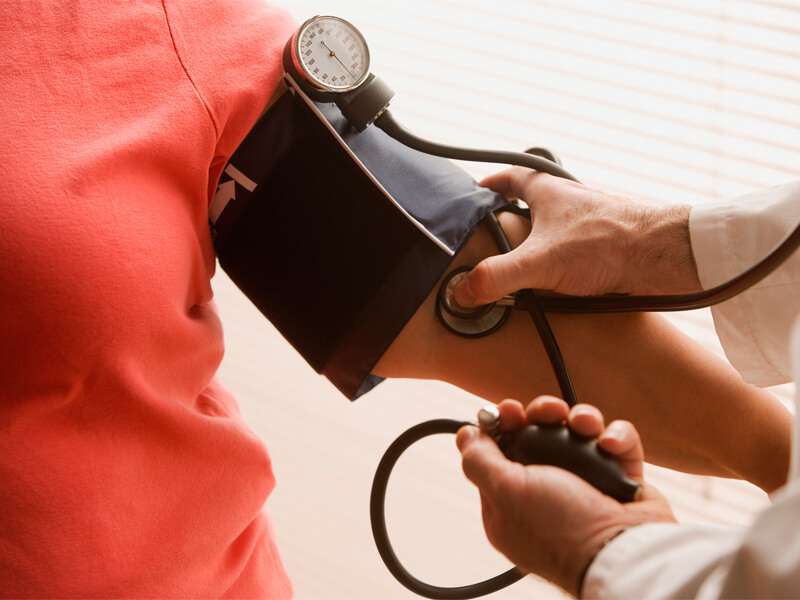
Anemia occurs when there are insufficient red blood cells or hemoglobin in the bloodstream. It can cause fatigue and weakness among other symptoms.
- Signs & Symptoms: Pallor, tiredness, dizziness, shortness of breath in severe cases.
- Diagnostic Process: Complete blood count (CBC) test measures hemoglobin levels and red cell indices; further iron studies or vitamin B12 tests if indicated.
- Treatment Strategies: Address underlying cause such as iron supplementation for iron deficiency anemia; dietary adjustments.
- The Outlook: Most types improve with proper treatment but require follow-up to monitor response and prevent recurrence.
A thorough evaluation allows targeted therapy improving quality of life significantly in affected individuals.
TYPE 2 DIABETES SCREENING

Type 2 diabetes is a chronic condition affecting how the body processes blood sugar. Early identification through screening helps reduce risks.
- Risk Factors: Includes obesity, family history, sedentary lifestyle, and age above 45 years.
- Screening Tests: Fasting plasma glucose test, HbA1c blood test; sometimes oral glucose tolerance test is used for confirmation.
- Diagnosis: Based on elevated blood sugar levels persistent over time as per guidelines.
- Management Approach: Lifestyle intervention focusing on diet & exercise; medications like metformin if needed.
Selecting appropriate screening and early intervention can greatly improve long-term health outcomes for individuals at risk of diabetes.
HYPERTENSION MANAGEMENT

High blood pressure, or hypertension, is a common condition that increases the risk of heart disease and stroke. Managing it effectively is crucial to overall health.
- Symptoms and Causes: Often called the "silent killer" because it may have no symptoms; causes include genetics, poor diet, stress, and inactivity.
- Diagnosis: Blood pressure readings taken over multiple visits using a sphygmomanometer; additional tests may determine organ damage.
- Treatment Options: Lifestyle changes such as diet and exercise; medications like ACE inhibitors or beta-blockers if needed.
- What to Expect: Regular monitoring with gradual adjustments in therapy to maintain target blood pressure levels safely.
Early detection and consistent management can prevent serious complications associated with hypertension.