
Dr G K Biswas
About Me
Dr G K Biswas
MBBS
General Physician
10 Years Experience
Biography
My Clinic
OPD Hours
| Monday | Morning | 10:00 AM | - | 02:00 PM |
| Evening | 06:00 PM | - | 09:00 PM | |
| Tuesday | Morning | 10:00 AM | - | 02:00 PM |
| Evening | 06:00 PM | - | 09:00 PM | |
| Wednesday | Morning | 10:00 AM | - | 02:00 PM |
| Evening | 06:00 PM | - | 09:00 PM | |
| Thursday | Morning | 10:00 AM | - | 02:00 PM |
| Evening | 06:00 PM | - | 09:00 PM | |
| Friday | Morning | 10:00 AM | - | 02:00 PM |
| Evening | 06:00 PM | - | 09:00 PM | |
| Saturday | Morning | 10:00 AM | - | 02:00 PM |
| Evening | 06:00 PM | - | 09:00 PM | |
| Sunday | Morning | 10:00 AM | - | 02:00 PM |
| Evening | 06:00 PM | - | 09:00 PM |
Treatments
Specialised care and treatments offered
GASTROESOPHAGEAL REFLUX DISEASE (GERD)
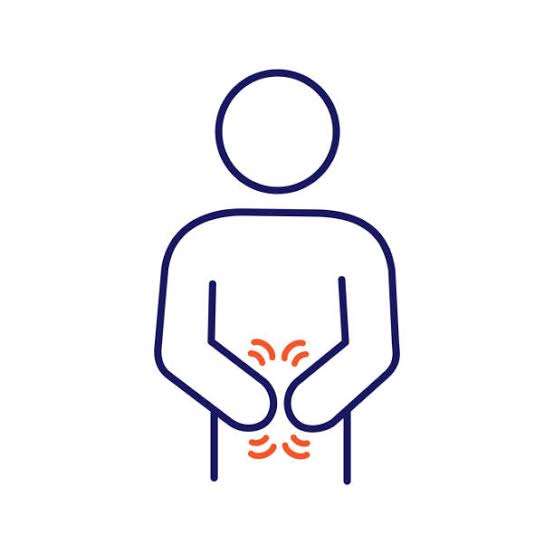
This digestive disorder occurs when stomach acid frequently flows back into the tube connecting your mouth and stomach (esophagus). GERD can cause discomfort but is manageable with appropriate interventions for symptom relief.
- Main signs/causes:Heartburn sensation after meals , acid taste in mouth ; caused primarily by weakened lower esophageal sphincter muscle allowing acid reflux.
- How it is diagnosed :Typically based on clinical history ; endoscopy performed in recurrent/severe cases rules out complications .
- Treatment options :Lifestyle changes including dietary modifications avoiding trigger foods , elevating head during sleep ; medications such as antacids , H2 blockers , proton pump inhibitors.
- What patients should anticipate :Most experience significant symptom improvement within weeks though long-term follow-up may be necessary if symptoms persist .
Proper management reduces discomfort , prevents esophageal damage ,and improves daily wellbeing associated with GERD .
ACUTE RESPIRATORY INFECTIONS

This category includes illnesses affecting the respiratory tract that develop suddenly but generally resolve with proper care. They are frequently encountered in everyday clinical practice among all age groups.
- Main symptoms/cause factors:Coughing, nasal congestion, sore throat often triggered by viral infections such as influenza or common cold viruses.
- Differential diagnosis tools:CClinical examination supported by chest X-rays or throat swab tests if bacterial infection suspected requiring antibiotics consideration.
- Treatment options:Sufficient rest hydrate well; symptomatic relief using analgesics/decongestants occasionally antibiotics if bacterial origin established;
HYPOTHYROIDISM MANAGEMENT

An underactive thyroid gland can slow metabolism leading to various symptoms requiring timely identification and treatment. This condition tends to develop gradually over time.
- Symptoms and causes: Fatigue, weight gain, cold intolerance; caused by autoimmune disorders or iodine deficiency among other reasons.
- The diagnostic approach: Blood testing for thyroid hormone levels (TSH and free T4) confirms hypothyroidism diagnosis reliably.
- Treatment strategies: Daily oral thyroid hormone replacement therapy typically restores normal metabolic balance effectively.
- User expectations: Patients should notice gradual symptom improvement over weeks after starting medication under physician monitoring for dose adjustment when needed.
A carefully managed treatment plan ensures stable hormonal function promoting better energy levels and overall wellness for individuals living with hypothyroidism.
CHRONIC OBSTRUCTIVE PULMONARY DISEASE (COPD) CARE
COPD is a progressive lung condition that makes breathing difficult. It results primarily from long-term exposure to irritants affecting lung function.
- Signs and causes: Chronic cough with sputum production, breathlessness; smoking is the leading cause alongside environmental pollutants.
- Diagnostic process: Spirometry tests measure lung capacity; medical imaging may assess lung structure changes.
- Treatment modalities: Smoking cessation support, bronchodilator medicines, pulmonary rehabilitation exercises.
- Expected outcomes: While there is no cure, tailored treatment plans improve symptoms and slow disease progression with regular medical supervision.
Lung health maintenance through adherence to prescribed therapies significantly enhances daily functioning for those affected by COPD.
TYPE 2 DIABETES MELLITUS

This metabolic disorder involves elevated blood sugar levels due to the body's ineffective use of insulin. It requires ongoing care to prevent long-term complications.
- Symptoms and causes: Increased thirst, frequent urination, fatigue; linked with obesity, poor diet, family history.
- Diagnosis: Blood tests such as fasting glucose and HbA1c measurement confirm the diagnosis.
- Treatment/Management options: Diet modification, physical activity enhancement, oral hypoglycemics or insulin therapy depending on disease severity.
- What patients should expect: Regular blood sugar monitoring and periodic assessment for potential complications including nerve damage or eye problems are crucial.
A proactive approach combining lifestyle adjustments with medication helps maintain optimal glucose control and quality of life.
HYPERTENSION MANAGEMENT
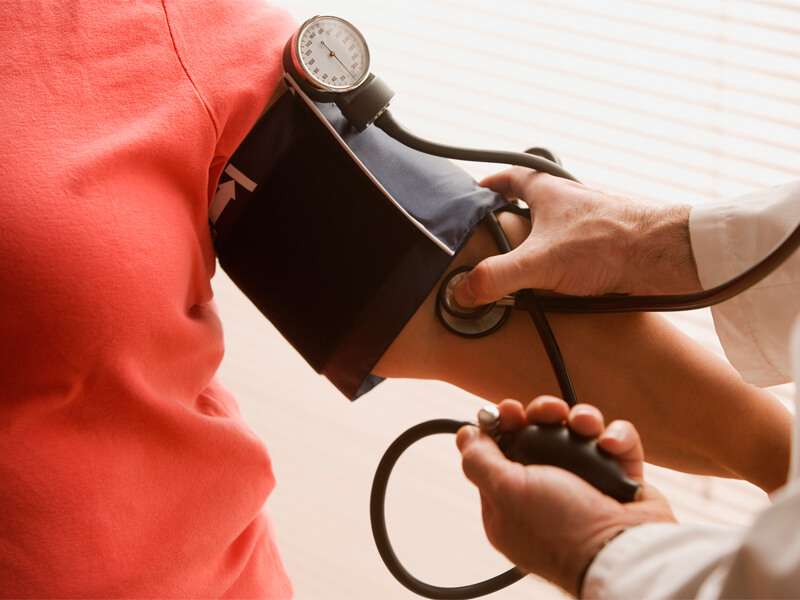
High blood pressure, or hypertension, is a common chronic condition that can lead to serious health issues if left untreated. It often has no noticeable symptoms but requires regular monitoring and management.
- Symptoms and causes: Often asymptomatic; risk factors include genetics, diet high in salt, stress, and sedentary lifestyle.
- Diagnosis: Multiple blood pressure readings over time using a sphygmomanometer to confirm persistently elevated levels.
- Treatment and management: Lifestyle changes such as reducing salt intake, regular exercise, weight control; medications like ACE inhibitors or beta-blockers may be prescribed.
- What to expect: Regular follow-up visits for blood pressure monitoring and medication adjustment are essential to prevent complications like stroke or heart disease.
With consistent care and adherence to medical advice, hypertension can be effectively controlled to maintain overall cardiovascular health.