
Dr G M Rangwala
About Me
Dr G M Rangwala
Dermatologist
Biography
My Clinic
OPD Hours
| Tuesday | Morning | 10:00 AM | - | 02:00 PM |
| Evening | 06:00 PM | - | 09:00 PM | |
| Wednesday | Morning | 10:00 AM | - | 02:00 PM |
| Evening | 06:00 PM | - | 09:00 PM | |
| Thursday | Morning | 10:00 AM | - | 02:00 PM |
| Evening | 06:00 PM | - | 09:00 PM | |
| Friday | Morning | 10:00 AM | - | 02:00 PM |
| Evening | 06:00 PM | - | 09:00 PM | |
| Saturday | Morning | 10:00 AM | - | 02:00 PM |
| Evening | 06:00 PM | - | 09:00 PM | |
| Sunday | Morning | 10:00 AM | - | 02:00 PM |
| Evening | 06:00 PM | - | 09:00 PM | |
| Thursday | Morning | 10:00 AM | - | 02:00 PM |
| Evening | 06:00 PM | - | 09:00 PM |
Treatments
Specialised care and treatments offered
HYPERHIDROSIS
This condition leads to excessive sweating beyond what’s needed to regulate body temperature. It can affect various parts of the body including palms, feet and underarms—creating both physical discomfort as well as social anxiety challenges among those afflicted by it!
- Symptoms:Characterized by excessive perspiration occurring irrespective of heat conditions/physical activity resulting often in wet clothing/handshakes causing embarrassment especially amongst peers;
- Underlying Causes:May stem from genetics/endocrine disorders/reactions related drugs utilized for other illnesses/internal factors impacting body's autonomic system governing sweat production mechanisms;
- Diagnosing techniques utilized(like starch-iodine test) aim aiding professionals pinpoint specific areas affected while evaluating patient history surrounding onset severity influencing ongoing stress levels experienced daily affecting quality life long-term likewise opening dialogue regarding focus potential therapies available addressing concerns raised proactively instead waiting until extremes manifest late down road ahead planning appropriately onward towards positive outcomes achieved subsequently thereafter improving overall happiness moving forward together...
< br width="100%"/>
A comprehensive approach emphasizing both direct treatment strategies alongside supportive measures relating mental well-being prove advantageous aiding individuals reclaim control amidst disruptions encountered aided positively throughout journey onward embracing healthier futures together full circle closing cycle existed priorly
ROSACEA
A chronic inflammatory condition known as rosacea often presents itself as facial flushing or persistent redness usually affecting central areas like cheeks and nose. Awareness surrounding its triggers aids those experiencing this common ailment greatly improve their symptom management strategies over time!
- Symptoms:Flushing episodes turning into permanent redness accompanied by visible blood vessels appearing on cheeks/nose area along with possible bumps & pimples resembling acne;
- Triggers:Commonly provoked by spicy foods/alcohol consumption/sun exposure/exercise/emotional stress;
- Diagnosis:Conclusive diagnosis typically determined based solely off clinical observations from healthcare professionals assessing current state/frequency/severity patterns noted during consultation sessions;
- Treatment plans concentrated around lifestyle adjustments(avoiding known triggers), topical agents (such as metronidazole), prescription oral antibiotics when indicated;
This multi-pronged method proves instrumental towards minimizing discomfort while limiting flare-ups paving way for improved individual confidence!
SKIN CANCER SCREENING
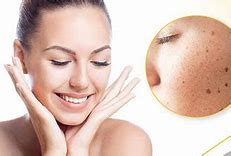
An essential preventive measure for maintaining skin health is regular screening for skin cancer. Early detection significantly increases treatment success rates for various types of skin cancers including melanoma and nonmelanoma types.
- Screens: Focus on identifying unusual moles or growths through visual inspection by dermatologists trained to recognize early signs of cancerous changes.
Nurturing awareness about the need for routine examinations empowers individuals towards proactive health choices while ensuring prompt intervention when necessary!
ECZEMA
Eczema is an inflammatory condition characterized by red, itchy patches on the skin. It commonly affects children but can occur at any age. Understanding its triggers is vital for effective management.
- Symptoms: Dryness and intense itching; red or brownish-gray patches commonly found on hands, feet, ankles, wrists, necks and upper chest; small raised bumps that may ooze fluid if scratched.
- Causes: Genetic factors along with environmental triggers such as allergens and irritants play a significant role in exacerbating symptoms.
- Diagnosis: Diagnosis generally involves reviewing personal history and examining symptoms; allergy testing may also be useful in identifying specific irritants.
- Treatment options: Provide relief through corticosteroids for inflammation reduction; emollients are crucial for maintaining moisture levels in the skin surface;
A multifaceted approach focused on skincare routines alongside preventative measures helps control eczema flare-ups effectively over time.
PSORIASIS
This chronic autoimmune condition leads to the rapid turnover of skin cells resulting in thickened, red patches covered with silvery scales. It can greatly affect quality of life due to its visibility and associated discomfort.
- Symptoms: Red patches of skin covered with thick scales; dry or cracked skin that may bleed; itching or burning sensations.
- Causes: Triggers can include stress, infections, injury to the skin, or certain medications.
- Diagnosis: Diagnosis often involves a visual examination of the affected areas; sometimes a biopsy is needed for confirmation.
- Treatment: Treatment may involve topical steroids, phototherapy, systemic medications like methotrexate or biological agents for severe cases.
- Coping strategies: Lifestyle changes such as stress management and moisturizing regularly can improve overall skin health.
A comprehensive approach combining medical treatments with lifestyle modifications often yields the best results for managing psoriasis effectively.
ACNE
Acne is a common skin condition that primarily affects adolescents and young adults, but it can persist into adulthood. It occurs when hair follicles become clogged with oil and dead skin cells, leading to the formation of pimples, blackheads, and cysts.
- Symptoms: Inflammatory lesions such as papules, pustules, and cysts; non-inflammatory lesions that include comedones (blackheads and whiteheads).
- Causes: Factors include excess oil production, hormonal changes, bacteria on the skin, and certain medications.
- Diagnosis: Typically diagnosed through a physical examination of the skin; in some cases, additional tests may be conducted to determine underlying causes.
- Treatment: Options may include topical treatments like retinoids or benzoyl peroxide, oral medications like antibiotics or hormonal therapy, and advanced procedures like chemical peels or laser therapy.
- Management: A personalized skincare regimen is essential; avoiding harsh scrubs can help minimize irritation.
With consistent treatment tailored to individual needs, most people see significant improvement in their acne over time.