
Dr Gaitondes
About Me
Dr Gaitondes
Cardiologist
Biography
My Clinic
OPD Hours
| Tuesday | Morning | 10:00 AM | - | 02:00 PM |
| Evening | 06:00 PM | - | 09:00 PM | |
| Wednesday | Morning | 10:00 AM | - | 02:00 PM |
| Evening | 06:00 PM | - | 09:00 PM | |
| Thursday | Morning | 10:00 AM | - | 02:00 PM |
| Evening | 06:00 PM | - | 09:00 PM | |
| Friday | Morning | 10:00 AM | - | 02:00 PM |
| Evening | 06:00 PM | - | 09:00 PM | |
| Saturday | Morning | 10:00 AM | - | 02:00 PM |
| Evening | 06:00 PM | - | 09:00 PM | |
| Sunday | Morning | 10:00 AM | - | 02:00 PM |
| Evening | 06:00 PM | - | 09:00 PM | |
| Thursday | Morning | 10:00 AM | - | 02:00 PM |
| Evening | 06:00 PM | - | 09:00 PM |
Treatments
Specialised care and treatments offered
LIFESTYLE MODIFICATIONS FOR HEART HEALTH

Lifestyle modifications play a crucial role in managing cardiovascular health effectively. These changes have been shown to reduce risks associated with heart disease significantly while enhancing overall well-being.
- Common symptoms related directly link back into poor lifestyle choices involve increased fatigue levels alongside high cholesterol markers leading toward chronic conditions.
- Doctors might recommend preliminary examinations incorporating basic lipid profiles assessing cholesterol ranges combined with additional testing options available should concerns arise further down line mean needing modifications enforced prior ahead preventative measures put forth outlined here accordingly.
- Recommended approaches emphasize balanced diets rich fruits vegetables whole grains complemented regular exercise routine promoting weight control alongside stress management strategies encouraging better sleep hygiene aiming cultivate healthier habits altogether collectively derived upon education provided thorough understanding benefits involved which help mitigate further disease occurrences going forward long-term actively maintaining vigilance given nature associated inherent risks affecting cardiovascular systems consistently observed contemporary society how they correlate closely respond impacting wellness status today too!
Thus, adopting healthier lifestyles holds paramount importance shaping outcomes dramatically affecting real-world consequences witnessed stemming various detrimental factors influencing patient’s lives positively moving towards holistic improvement transforming preventive efforts turned actions taken provide supportive guidance facilitating change favorable helping reshape future generations successfully navigate extensive array challenges faced today!
HOLTER MONITOR TESTING
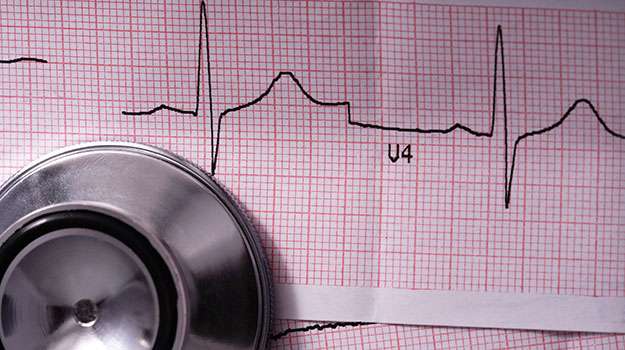
A Holter monitor test provides continuous monitoring of heart activity over 24-48 hours. This tool helps diagnose arrhythmias not captured during standard ECGs by recording electrical activity throughout daily activities and sleep cycles.
- Patients may experience symptoms, including irregular heartbeat sensations, dizziness, or unexplained fainting spells which warrant this thorough analysis over an extended period.
- An initial evaluation includes placing small electrodes on the chest connected to a portable device worn throughout normal routines while documenting heart rhythms continuously during both rest and activity levels.
- Once data collection concludes, healthcare providers will analyze readings to identify any abnormalities noted during monitored intervals.
- The Holter monitor test aids physicians significantly by providing comprehensive insights that guide further course of action regarding specific treatments if needed.
In summary,Holter monitoring serves as an essential diagnostic tool leading towards appropriate management choices tailored specifically to individual needs based on collected data findings.
PERIPHERAL ARTERY DISEASE TREATMENT
Treatment for peripheral artery disease (PAD) focuses on improving blood circulation in patients suffering from reduced blood flow primarily in their legs due to narrowed arteries. Addressing PAD can prevent severe complications such as limb loss if detected early.
- Common symptoms include leg pain while walking, numbness, or coldness in the lower extremities.
- An accurate diagnosis involves physical examinations coupled with Doppler ultrasound or angiography methods that visualize blood flow issues in affected areas.
- Treatment options range from lifestyle changes such as increased exercise regimens to medication management; further interventions may include angioplasty or bypass surgery depending on severity.
- Patients typically report significant improvements in mobility post-treatment as improved blood flow alleviates pain during activities such as walking or climbing stairs.
Taking proactive measures with PAD treatment can lead to significant enhancements in daily living quality and overall cardiovascular health.
TRANSCATHETER AORTIC VALVE REPLACEMENT (TAVR)
Transcatheter Aortic Valve Replacement (TAVR) is an advanced technique designed for patients suffering from severe aortic stenosis. This method offers a less invasive option compared to traditional surgical valve replacement procedures.
- The key symptom of aortic stenosis includes extreme fatigue during exertion, along with episodes of lightheadedness or chest pain.
- A diagnosis is confirmed through echocardiography and other imaging techniques like CT scans that assess valve function and severity of narrowing.
- TAVR involves navigating catheters through blood vessels to implant a new valve without requiring open-heart surgery. Recovery tends to be quicker than conventional methods.
- Post-procedure follow-ups are critical as they help monitor recovery progress and assess valve function in the long term.
This procedure has transformed care options for elderly populations or those unable to withstand major surgery due to other health conditions.
ATRIAL FIBRILLATION ABLATION
Atrial fibrillation (AFib) ablation is an innovative approach used to treat irregular heartbeats that can lead to serious complications. It focuses on isolating areas of heart tissue that trigger abnormal electrical signals responsible for AFib.
- Main symptoms include palpitations, dizziness, and potential risk of stroke if left untreated.
- A cardiologist typically diagnoses AFib using an electrocardiogram (ECG) alongside patient history assessments.
- The ablation procedure involves threading catheters through blood vessels to target and destroy problematic tissues with radiofrequency energy or cryotherapy.
- This procedure often results in significant improvements in symptoms and may decrease reliance on medications for many patients.
Ultimately, AFib ablation greatly enhances overall cardiac function and patient wellbeing when managed effectively.
CORONARY ANGIOPLASTY
Coronary angioplasty is a minimally invasive procedure aimed at restoring blood flow to the heart. This treatment is commonly performed on patients experiencing coronary artery disease, where fatty deposits build up in the arteries and restrict blood flow.
- Symptoms may include chest pain, shortness of breath, or fatigue during physical activity.
- The condition is diagnosed through tests such as angiograms, where contrast dye reveals blockages in the coronary arteries.
- Treatment involves inserting a tiny balloon into the narrowed artery and inflating it to open the blockage; sometimes, a stent is placed to keep the artery open.
- Patients can expect a shorter recovery time compared to traditional surgery, often able to return home within hours after the procedure.
This effective intervention helps improve heart health and enhance quality of life for those with coronary artery issues.