
Dr Ganesh Avhad
About Me
Dr Ganesh Avhad
Dermatologist
Biography
My Clinic
OPD Hours
| Tuesday | Morning | 10:00 AM | - | 02:00 PM |
| Evening | 06:00 PM | - | 09:00 PM | |
| Wednesday | Morning | 10:00 AM | - | 02:00 PM |
| Evening | 06:00 PM | - | 09:00 PM | |
| Thursday | Morning | 10:00 AM | - | 02:00 PM |
| Evening | 06:00 PM | - | 09:00 PM | |
| Friday | Morning | 10:00 AM | - | 02:00 PM |
| Evening | 06:00 PM | - | 09:00 PM | |
| Saturday | Morning | 10:00 AM | - | 02:00 PM |
| Evening | 06:00 PM | - | 09:00 PM | |
| Sunday | Morning | 10:00 AM | - | 02:00 PM |
| Evening | 06:00 PM | - | 09:00 PM | |
| Thursday | Morning | 10:00 AM | - | 02:00 PM |
| Evening | 06:00 PM | - | 09:00 PM |
Treatments
Specialised care and treatments offered
WARTS
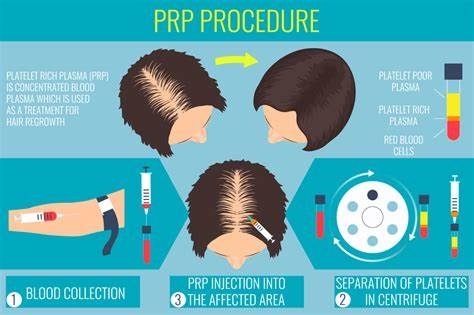
- Common benign growths caused by human papillomavirus (HPV) infecting the outer layer of the skin. While generally harmless warts can cause frustration due to their appearance and potential spread among individuals particularly children.'
'- '
- 'Typical symptoms may include small bumps that feel rough in texture occurring mostly on fingers toes or around nails.'
- 'Diagnosis typically relies on visual assessment though sometimes lab tests confirm HPV presence.'
- 'Treatment includes topical agents freezing techniques cryotherapy laser therapy depending upon wart type size location.'
- 'In many instances warts resolve spontaneously without intervention but prompt attention could prevent further dissemination.'
- 'Engaging in preventive practices reduces risk maintaining hygienic conditions such as avoiding shared items minimizes transmission chances.''
'Patient education about warts aims at demystifying them through understanding ultimately assisting those experiencing them manage concerns efficiently whilst ensuring timely resolution.'
SKIN CANCER SCREENING
Catching skin cancer at an early stage can significantly influence treatment outcomes. Regular screenings are crucial for identifying potential malignancies before they progress. Awareness about screening procedures fosters proactive patient involvement in their health care journey.
- The main sypmtoms of concern often involve new moles or changes in existing ones—irregular shapes or varying colors should raise flags for further evaluation.
- A certified dermatologist conducts screenings through a detailed visual examination, assessing areas usually exposed to sunlight as cancer tends to develop there more frequently;
- Additional tests such as biopsies might be needed if suspicious lesions are found during screening sessions.
- Management depends largely on early detection; procedures might range from monitoring benign lesions to surgical excision when needed.
- Regular screenings especially for high-risk groups dramatically improves survival rates allowing timely intervention which is crucial in treating malignancies.
Prioritizing regular screenings promotes awareness that ultimately contributes towards better long-term dermatological health outcomes including successful prevention measures against severe conditions like skin cancer.
MELASMA
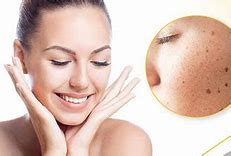
An acquired condition characterized by brown or gray-brown patches on the face predominantly affecting women. Melasma may be triggered by hormonal changes or sun exposure. Some preventative measures combined with effective treatment options can lead to improvement over time.
- The primary symptom is hyperpigmentation commonly seen on the cheeks, forehead, nose, or upper lip areas which can impact self-esteem.
- A thorough differential diagnosis through visual assessment helps distinguish melasma from other pigment disorders.
- Treatment options often include topical creams containing hydroquinone or azelaic acid; procedural interventions such as chemical peels are also beneficial for reducing pigmentation.
- Regularly using sunscreen protects against further pigmentation issues caused by sun exposure during treatment is essential.
- With consistent care and adherence to prescribed regimes many achieve satisfactory results over time.
Understanding melasma fully empowers patients to make informed decisions about their skincare journeys towards clarity.
ACNE
Acne is one of the most prevalent skin disorders affecting adolescents and adults alike. It arises when hair follicles become clogged with oil and dead skin cells. Effective treatment is vital for both physical appearance and psychological well-being.
- Main symptoms include pimples, blackheads, whiteheads, and sometimes cystic lesions depending on severity.
- A dermatologist typically diagnoses acne based on visual examination, considering factors like history of breakouts and family patterns.
- Treatment options vary from over-the-counter topical products to prescription medications like antibiotics or retinoids for stubborn cases.
- Lifestyle adjustments including diet changes may also positively influence acne outcomes for some individuals.
- Total healing takes time; ongoing skincare regimens are often recommended to maintain clear skin post-treatment process.
Persistent communication with your healthcare provider ensures tailored approaches that effectively address your specific needs regarding acne treatment.
PSORIASIS
This chronic autoimmune condition leads to the rapid growth of skin cells, causing thick red patches covered with silvery scales. Psoriasis can significantly impact quality of life and often requires comprehensive treatment approaches for control.
- The main symptoms include red patches of skin covered with thick scales, dry or cracked skin that may bleed, and itching or burning sensations.
- A physician can diagnose psoriasis through a physical examination, sometimes followed by a biopsy if diagnosis is uncertain.
- Treatment may include topical treatments like corticosteroids, systemic medications for severe cases, or phototherapy.
- Recognizing triggers, such as stress or infection, helps in managing outbreaks effectively.
- An improvement in lifestyle choices alongside medical therapies plays a crucial role in patients' overall well-being.
If managed well, many patients experience significant improvements in their skin condition and overall health status.
ECZEMA
Eczema is a common skin condition that causes inflammation, redness, and irritation. It can affect individuals of all ages, often starting in childhood. Understanding the nature of eczema is essential for effective management.
- Symptoms include dry skin, intense itching, and rashes that may appear on various body parts.
- The exact causes are multifactorial, involving genetic predisposition and environmental triggers such as allergens.
- Diagnosis typically involves a physical examination and may require patch testing to identify specific allergens.
- Treatment options range from topical corticosteroids to emollients that help restore moisture; avoiding known triggers is critical.
- Patients can expect flare-ups, but with proper care and management strategies, many find relief and improved skin health.
Effective management allows individuals to lead a normal life while minimizing flare-ups and discomfort associated with eczema.