
Dr Ganesh Lal Mat
About Me
Dr Ganesh Lal Mat
MD
Anesthesiologist
10 Years Experience
Biography
My Clinic
OPD Hours
| Monday | Morning | 10:00 AM | - | 02:00 PM |
| Evening | 06:00 PM | - | 09:00 PM | |
| Tuesday | Morning | 10:00 AM | - | 02:00 PM |
| Evening | 06:00 PM | - | 09:00 PM | |
| Wednesday | Morning | 10:00 AM | - | 02:00 PM |
| Evening | 06:00 PM | - | 09:00 PM | |
| Thursday | Morning | 10:00 AM | - | 02:00 PM |
| Evening | 06:00 PM | - | 09:00 PM | |
| Friday | Morning | 10:00 AM | - | 02:00 PM |
| Evening | 06:00 PM | - | 09:00 PM | |
| Saturday | Morning | 10:00 AM | - | 02:00 PM |
| Evening | 06:00 PM | - | 09:00 PM | |
| Sunday | Morning | 10:00 AM | - | 02:00 PM |
| Evening | 06:00 PM | - | 09:00 PM |
Treatments
Specialised care and treatments offered
POSTOPERATIVE CARE
Postoperative care encompasses a series of actions taken immediately following surgery aimed at ensuring patient recovery progresses as planned. Anesthesiologists play a vital role here overseeing critical aspects linked directly back towards administered anesthetics safeguarding wellness at every stage
- Maintaining vigilant observation prevents detrimental occurrences such as adverse reactions responses appearing within hours post-anesthesia exploring appropriate protocols realizing intervention requirements alongside normalizing discomforts associated with healing timelines established on day one
- Essential monitoring addresses vital signs facilitating early detection addressing arising problems efficiently avoiding delays unnecessarily impacting overall satisfaction
- Engagement continues beyond hospital settings extending onto outpatient instructions reiterating medication schedules wound care anticipated activities preventing mishaps upon discharge addressed adapted dynamically tailored around individual circumstances experienced
Thus seamless integration between anesthetic encounters supported structured afterwardactions determines inevitably success rooted deeply relationships built reciprocity defining quality healthcare bestowed across populations universally
PREOPERATIVE ASSESSMENT

A thorough preoperative assessment is integral in preparing patients for surgery safely. This evaluation aims not only to gather vital information but also to understand patients' unique needs regarding anesthesia management
- This assessment screens for existing health conditions like diabetes, hypertension, or respiratory issues that could complicate surgery outcomes if unnoticed beforehand
- The evaluation involves physical examinations coupled with laboratory tests tailored as per procedure complexity levels introducing personalized planning angles
- Options outlined during this phase detail potential anesthetic techniques chosen concerning current medications contributing insights towards optimal perioperative practices
- Patient education regarding what to expect before, during & after surgery fosters transparency alleviating concerns improving cooperation during critical moments involving procedures
This proactive approach ensures maximum safety reducing unforeseen complications thus enhancing overall surgical experiences for all parties involved
PAIN MANAGEMENT TECHNIQUES

Pain management strategies utilized by anesthesiologists involve various techniques designed to alleviate chronic pain conditions. These approaches may incorporate both pharmacological and non-pharmacological methods tailored to individual needs.
- Conditions treated may include arthritis, fibromyalgia, and post-surgical pain syndromes among others.
- A comprehensive evaluation helps pinpoint sources of pain through imaging studies or consultations with specialists in related fields.
- Treatment options range from nerve blocks and epidural injections to physical therapy referrals and medication management plans aimed at long-term relief options.
- This holistic approach emphasizes ongoing communication with patients about their experiences before modifying treatment plans as necessary.
- Regular follow-ups are crucial in assessing effectiveness and making adjustments based on responses observed over time.
Anesthesiologists play a pivotal role in enhancing quality of life through these targeted pain relief strategies suited to varying chronic conditions encountered today.
SEDATION FOR PROCEDURES

Sedation strategies are employed to help patients relax during minor surgical procedures or diagnostic tests while maintaining consciousness. This process minimizes discomfort without complete unconsciousness.
- Indications for sedation include dental treatments, endoscopies, and some outpatient surgical procedures.
- A thorough assessment of medical history helps identify suitable sedation candidates and tailor dosages accordingly.
- The management focuses on administering sedative agents intravenously or orally while closely monitoring respiratory function and heart rate.
- Patients can generally expect a quick recovery time with minimal aftereffects when properly managed by trained professionals.
- Side effects could include mild drowsiness or slight disorientation post-procedure but generally resolve swiftly.
This technique aims to make uncomfortable procedures significantly more tolerable while ensuring safety and responsiveness throughout treatment.
REGIONAL ANESTHESIA

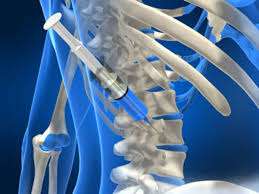
Regional anesthesia involves injecting anesthetic agents near specific nerves to block sensation in a particular area of the body. It is often used for limb surgeries or during childbirth.
- This technique offers pain relief while minimizing the need for general anesthesia.
- Identifying suitable candidates involves evaluating their overall health and understanding any previous reactions to anesthesia.
- The administration is typically done through nerve blocks or spinal taps, providing effective pain control.
- The recovery usually allows patients to regain mobility more quickly than with general anesthesia options.
- Potential risks are low but can include temporary nerve damage or infection at the injection site.
This approach is advantageous as it limits systemic drug exposure while managing localized pain effectively.
GENERAL ANESTHESIA

General anesthesia is a medically induced state of unconsciousness that is used during surgeries or other medical procedures. This type of anesthesia ensures that the patient feels no pain and has no memory of the procedure.
- Common indications include major surgeries such as orthopedic, abdominal, and cardiac procedures.
- Diagnosis involves assessing the patient's medical history, current medications, and any allergies.
- Treatment requires careful monitoring of the patient's vital signs throughout the procedure to ensure safety.
- Post-anesthesia care includes monitoring in a recovery area until the patient wakes up completely and can demonstrate stable vitals.
- While side effects are uncommon, they may include nausea and grogginess upon waking.
This method is essential for ensuring comfort during invasive interventions, allowing complex surgical tasks to be performed without distress to the patient.