
Dr Gaurav Gupta
About Me
Dr Gaurav Gupta
Internal Medicine
Biography
My Clinic
OPD Hours
| Tuesday | Morning | 10:00 AM | - | 02:00 PM |
| Evening | 06:00 PM | - | 09:00 PM | |
| Wednesday | Morning | 10:00 AM | - | 02:00 PM |
| Evening | 06:00 PM | - | 09:00 PM | |
| Thursday | Morning | 10:00 AM | - | 02:00 PM |
| Evening | 06:00 PM | - | 09:00 PM | |
| Friday | Morning | 10:00 AM | - | 02:00 PM |
| Evening | 06:00 PM | - | 09:00 PM | |
| Saturday | Morning | 10:00 AM | - | 02:00 PM |
| Evening | 06:00 PM | - | 09:00 PM | |
| Sunday | Morning | 10:00 AM | - | 02:00 PM |
| Evening | 06:00 PM | - | 09:00 PM | |
| Thursday | Morning | 10:00 AM | - | 02:00 PM |
| Evening | 06:00 PM | - | 09:00 PM |
Treatments
Specialised care and treatments offered
THYROID DISEASE EVALUATION
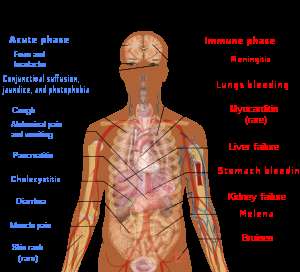
The thyroid gland plays an essential role in regulating metabolism and energy levels. Disorders related to this gland can lead to various symptoms that affect daily life significantly
.- Symptoms might range from fatigue or weight fluctuations to mood disturbances depending upon whether one experiences hyperthyroidism or hypothyroidism
- Diagnosis typically involves blood tests measuring hormone levels TSH (Thyroid-Stimulating Hormone) along with T3 & T4 hormones
- Treatment approaches differ based on specific dysfunctions but could involve medication aimed at regulating hormone balance surgery would be considered only in some severe cases
- Ongoing evaluation after initial treatment helps ensure optimal functioning within normalized ranges
With proper attention towards thyroid health many patients successfully manage their symptoms leading healthier fulfilling lives
PREVENTIVE HEALTH SCREENINGS
Preventive health screenings play a critical role in identifying potential health issues before they become serious. Regular evaluations help maintain overall wellness throughout life stages.
- Screens often cover various aspects such as cholesterol levels, blood pressure checks, cancer screenings (e.g., mammograms), and diabetes assessments depending on age group and risk factors.
- Your doctor may recommend specific tests based on personal medical history and family background
- The goal is early detection which allows intervention at more manageable stages preventing severe complications later on in life
Catching conditions early enhances treatment success rates significantly contributing positively toward long-term wellbeing
ASTHMA CONTROL
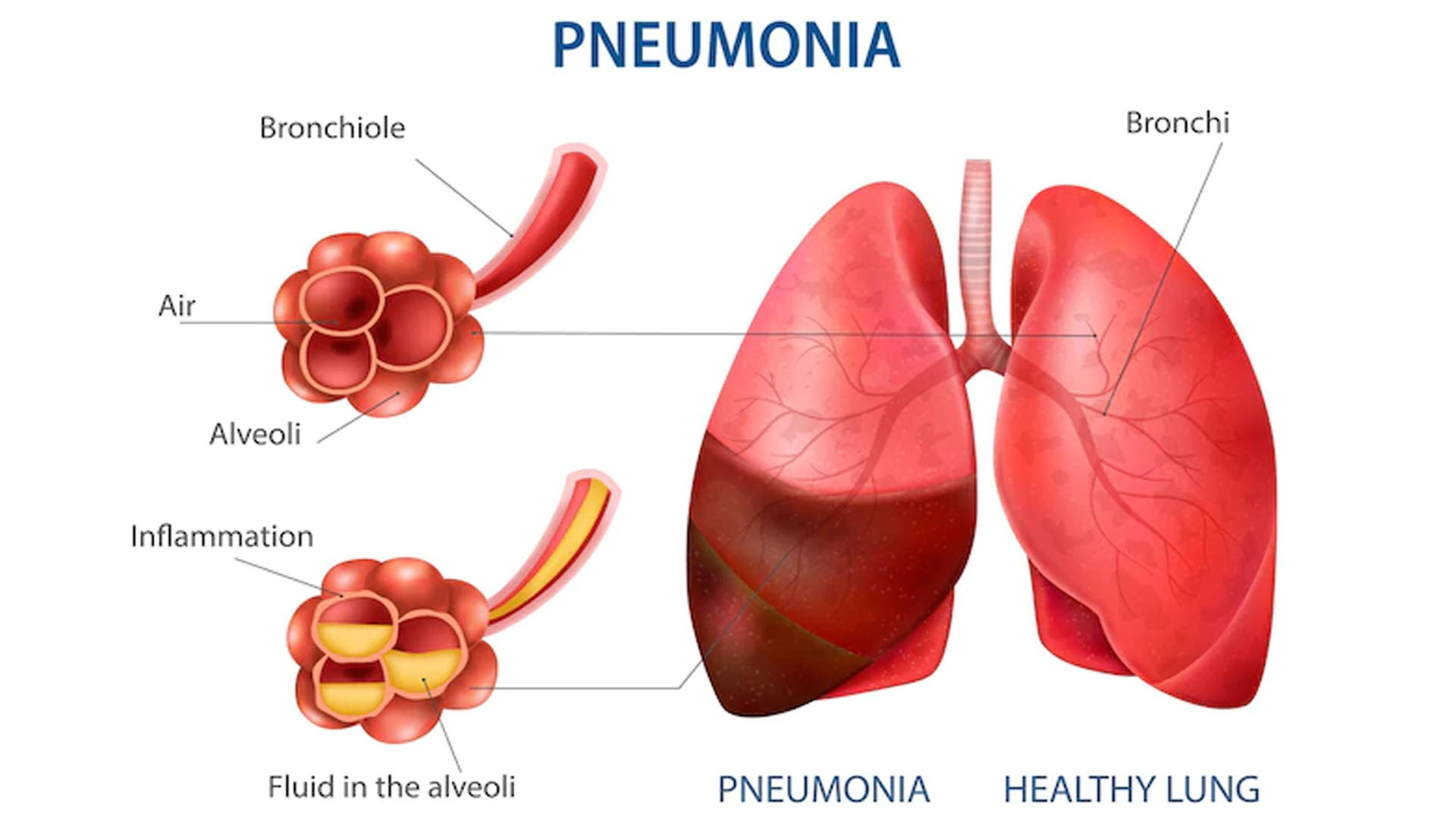
Asthma is a chronic respiratory condition characterized by inflammation of the airways that leads to difficulty breathing. Understanding this condition is essential for effective management.
- Common indicators include wheezing, coughing at night or early morning, chest tightness, and shortness of breath during exercise or exposure to allergens.
- An asthma diagnosis usually involves lung function tests and reviewing medical history alongside symptom assessment.
- Treatment includes inhalers for quick relief during attacks as well as daily controller medications to manage inflammation over time.
- A tailored action plan developed with your healthcare provider helps you navigate sudden asthma attacks effectively while improving frequency of symptoms overall.
With appropriate management strategies in place, individuals with asthma can maintain active lifestyles without significant limitations from their condition.
CHOLESTEROL MANAGEMENT
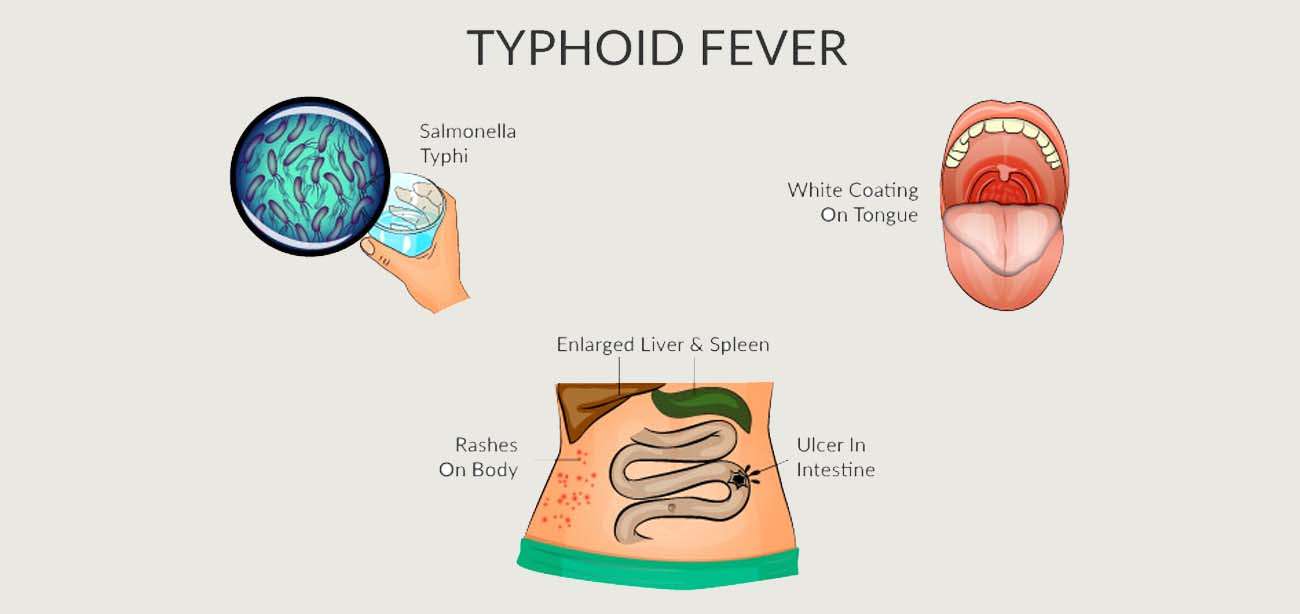
Elevated cholesterol levels are a silent but significant risk factor for heart disease. Managing cholesterol involves understanding its impact on your overall health.
- You might experience no symptoms initially; therefore regular screenings are important for early detection.
- A healthcare provider will assess cholesterol through a simple blood test called a lipid panel.
- Management strategies often include lifestyle modifications such as improved diet, increased physical activity, or medications like statins if necessary.
- Dietary changes should focus on reducing saturated fats while increasing fiber intake.
- A collaborative approach with your doctor ensures personalized treatment plans based on risk factors and health status.
Effective cholesterol management can greatly reduce the risks associated with cardiovascular diseases in the long run.
DIABETES MELLITUS MANAGEMENT
Diabetes mellitus is a chronic condition that affects how your body processes glucose. This metabolic disorder can lead to serious complications if not managed properly, making awareness crucial.
- Symptoms often include excessive thirst, frequent urination, fatigue, and blurred vision
- A diagnosis involves blood tests that measure glucose levels or an HbA1c test to assess long-term control.
- Treatment focuses on maintaining normal blood sugar levels through diet changes, regular exercise, medication or insulin therapy as needed.
- Regular monitoring of blood sugar levels is essential for effective management of diabetes.
- Understanding dietary choices and physical activity is key in preventing complications associated with diabetes over time.
With proper management, individuals with diabetes can lead healthy lives and prevent potential long-term effects on their health.
HYPERTENSION MANAGEMENT
Hypertension, commonly known as high blood pressure, is a condition that affects a significant portion of the population. It often goes unnoticed because it typically does not present clear symptoms until serious health issues arise.
- Common symptoms may include headaches, shortness of breath, and nosebleeds.
- Diagnosis generally involves regular blood pressure readings and additional tests to assess kidney function or heart health.
- Treatment options include lifestyle changes, such as diet and exercise, along with medications to lower blood pressure effectively.
- Regular follow-ups are crucial to monitor the condition and adjust treatments as necessary.
- Patients should be prepared for a long-term management approach, which may involve routine assessments and lifestyle modifications.
Managing hypertension can significantly reduce the risk of cardiovascular diseases and enhance overall well-being.