
Dr Gaurav Kasundr A
About Me
Dr Gaurav Kasundr A
Neurologist
Biography
My Clinic
OPD Hours
| Tuesday | Morning | 10:00 AM | - | 02:00 PM |
| Evening | 06:00 PM | - | 09:00 PM | |
| Wednesday | Morning | 10:00 AM | - | 02:00 PM |
| Evening | 06:00 PM | - | 09:00 PM | |
| Thursday | Morning | 10:00 AM | - | 02:00 PM |
| Evening | 06:00 PM | - | 09:00 PM | |
| Friday | Morning | 10:00 AM | - | 02:00 PM |
| Evening | 06:00 PM | - | 09:00 PM | |
| Saturday | Morning | 10:00 AM | - | 02:00 PM |
| Evening | 06:00 PM | - | 09:00 PM | |
| Sunday | Morning | 10:00 AM | - | 02:00 PM |
| Evening | 06:00 PM | - | 09:00 PM | |
| Thursday | Morning | 10:00 AM | - | 02:00 PM |
| Evening | 06:00 PM | - | 09:00 PM |
Treatments
Specialised care and treatments offered
ALZHEIMER'S DISEASE

This degenerative brain disorder leads progressively towards cognitive decline affecting memory, thinking skills, and eventually even simple tasks accomplishment. Early intervention plays a key role in planning appropriate care pathways aimed at improving quality of life throughout different stages of Alzheimer's disease progression.
- Symptoms primarily involve memory loss affecting daily activities alongside difficulties processing information or language-related tasks.
- Diagnosis encompasses thorough mental status assessments coupled with advanced neuroimaging methods aiming at identifying related changes within cerebral structures linked directly toward Alzheimer's pathology.
- Treatment strategies typically focus predominantly around medication designed primarily for symptom relief while also utilizing non-pharmacological therapies emphasizing memory enhancement via cognitive stimulation exercises amongst groups fostering social interactions.
- Family education remains vital enabling caregivers guard themselves against emotional exhaustion facilitating stronger familial bonds amidst navigating this emotionally challenging journey together.
Future research continues tirelessly seeking innovative breakthroughs searching ultimately toward finding potential curative solutions dedicated toward combating this devastating illness impacting countless families worldwide!
PARKINSON'S DISEASE
This progressive neurological disorder affects movement control due to the degeneration of dopamine-producing neurons in the brain. Early recognition of symptoms leads to better management techniques that positively impact daily functioning.
- Main symptoms include tremors at rest, stiffness of limbs, bradykinesia (slowness), and postural instability among others.
- The diagnosis generally relies on clinical evaluations along with assessment scales specific for Parkinson's disease tracking motor functions over time.
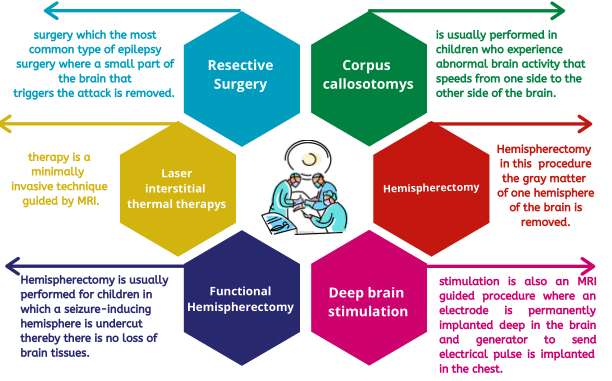
- Treatment usually involves medication such as levodopa which increases dopamine levels in the brain; advanced cases may require surgical interventions like Deep Brain Stimulation (DBS).
- Counseling services can assist patients in adapting their lifestyles effectively while support groups foster community connections among individuals facing similar challenges associated with Parkinson's disease.
An interdisciplinary approach ensures comprehensive support tailored specifically for those diagnosed with this chronic condition
MIGRAINE
Migraine is a common neurological condition marked by severe headaches often accompanied by nausea, vomiting, and sensitivity to light or sound. Understanding migraine triggers can assist in prevention strategies and effective management practices.
- Typical symptoms include throbbing pain typically on one side of the head, aura, blurred vision, or light sensitivity during attacks.
- Neurologists utilize patient histories combined with clinical examinations for diagnosis; sometimes imaging studies are required to rule out other conditions.
- Treatment approaches often encompass both acute measures for pain relief and preventive medications tailored to individual patient profiles.
- Lifestyle changes such as dietary adjustments and stress management techniques are also significant components in managing migraines effectively.
A personalized treatment plan enhances prospects for improved migraine control over time.
MULTIPLE SCLEROSIS (MS)
Multiple Sclerosis is a chronic disease where the immune system attacks the protective sheath (myelin) covering nerve fibers. This can lead to communication problems between the brain and the rest of the body.
- The condition may present symptoms such as fatigue, difficulty walking, numbness in limbs, or visual disturbances.
- A thorough neurological examination along with MRI scans are essential for accurate diagnosis.
- Treatment aims at managing symptoms through medication that modifies disease progression as well as rehabilitation therapies for improved functioning.
- A comprehensive care plan often includes regular monitoring by healthcare professionals specialized in MS management.
Many patients find coping strategies that enhance their quality of life despite living with MS.
EPILEPSY
Epilepsy is a neurological disorder characterized by recurrent seizures due to abnormal electrical activity in the brain. Effective management requires understanding seizure triggers and implementing treatment plans tailored to individual needs.
- Common symptoms include convulsions, transient loss of consciousness, and unusual sensations or behaviors.
- The diagnosis usually involves EEG tests, imaging studies like MRI, and a detailed medical history review.
- Treatment often includes antiepileptic medications that help control seizure activity; lifestyle modifications can also play an important role.
- Patients should be aware of safety measures during seizures and how to respond appropriately.
With proper management, many people with epilepsy lead normal lives with few limitations.
STROKE
A stroke is a medical emergency that occurs when the blood supply to part of the brain is interrupted or reduced. This results in brain cells beginning to die due to lack of oxygen and nutrients. Immediate treatment is crucial to minimize potential brain damage and long-term disability.
- Symptoms may include sudden numbness or weakness, confusion, trouble speaking, vision problems, and severe headache.
- Diagnosis typically involves physical exams, imaging tests like CT or MRI scans, and blood tests.
- Treatment options include medications like clot-busters for ischemic strokes and surgical procedures for hemorrhagic strokes.
- Rehabilitation may involve physical therapy, occupational therapy, and speech therapy to help regain lost skills.
Recognizing the symptoms early can significantly improve outcomes and reduce risks associated with strokes.