
DR GAURAV RAJENDE
About Me
DR GAURAV RAJENDE
MBBS
General Physician
Biography
My Clinic
OPD Hours
| Monday | Morning | 10:00 AM | - | 02:00 PM |
| Evening | 06:00 PM | - | 09:00 PM | |
| Tuesday | Morning | 10:00 AM | - | 02:00 PM |
| Evening | 06:00 PM | - | 09:00 PM | |
| Wednesday | Morning | 10:00 AM | - | 02:00 PM |
| Evening | 06:00 PM | - | 09:00 PM | |
| Thursday | Morning | 10:00 AM | - | 02:00 PM |
| Evening | 06:00 PM | - | 09:00 PM | |
| Friday | Morning | 10:00 AM | - | 02:00 PM |
| Evening | 06:00 PM | - | 09:00 PM | |
| Saturday | Morning | 10:00 AM | - | 02:00 PM |
| Evening | 06:00 PM | - | 09:00 PM | |
| Sunday | Morning | 10:00 AM | - | 02:00 PM |
| Evening | 06:00 PM | - | 09:00 PM |
Treatments
Specialised care and treatments offered
GASTROESOPHAGEAL REFLUX DISEASE (GERD) MANAGEMENT
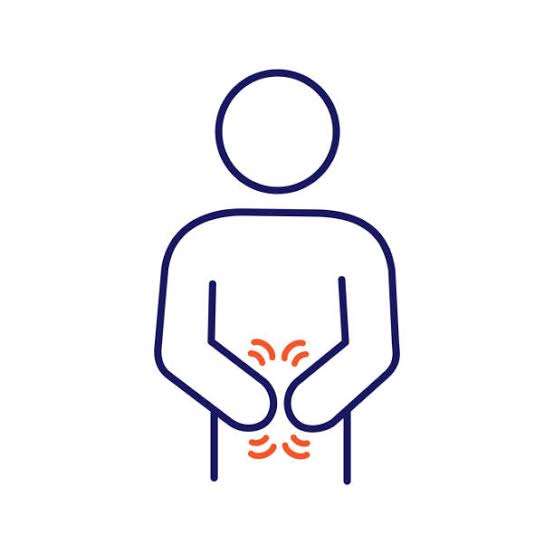
GERD is a digestive disorder characterized by the backflow of stomach acids into the esophagus resulting in discomfort. Recognizing this condition early allows more effective management strategies moving forward。
- The primary symptoms include heartburn, regurgitation of food or sour liquid, difficulty swallowing, and sometimes chest pain which can mimic cardiac issues!.
- Diagnosis often involves an upper endoscopy procedure alongside pH monitoring studies for assessing acid exposure over time hub!.
THYROID DISORDERS TREATMENT

Thyroid disorders affect metabolism and overall hormonal balance within the body. These conditions require careful diagnosis and ongoing management to achieve optimal health outcomes。
- The most common symptoms may involve fatigue, weight changes, temperature sensitivity, or alterations in skin texture depending on whether you have hyperthyroidism or hypothyroidism。
- A blood test measuring thyroid hormone levels (TSH) helps diagnose thyroid disorders effectively after reviewing clinical symptoms。
- Treatment varies: hypothyroidism is typically managed with synthetic thyroid hormones while hyperthyroidism might involve medications aimed at reducing hormone production but could also require radioactive iodine therapy or surgery in severe cases。
An individualized approach based on specific thyroid function tests leads to better health management over time. Ongoing consultation with healthcare professionals ensures appropriate adjustments based on patient response。
ASTHMA MANAGEMENT
Asthma is a chronic respiratory condition characterized by inflammation of the airways, causing difficulty in breathing. Managing asthma correctly allows individuals to lead active lives despite their condition.
- Symptoms include wheezing, coughing, chest tightness, and shortness of breath during physical exertion or at night.
- A thorough medical history evaluation along with lung function tests helps diagnose asthma accurately.
- Treatment options often feature inhaled corticosteroids for controlling inflammation and bronchodilators for relieving acute symptoms quickly during an asthma attack.
- A patient’s action plan outlining triggers and management strategies is vital for effective control over asthma episodes.
A well-managed asthma plan allows individuals the freedom to engage fully in daily activities without fear of attacks. Regular reassessment with a physician ensures optimal treatment adjustments if necessary.
HYPERLIPIDEMIA TREATMENT
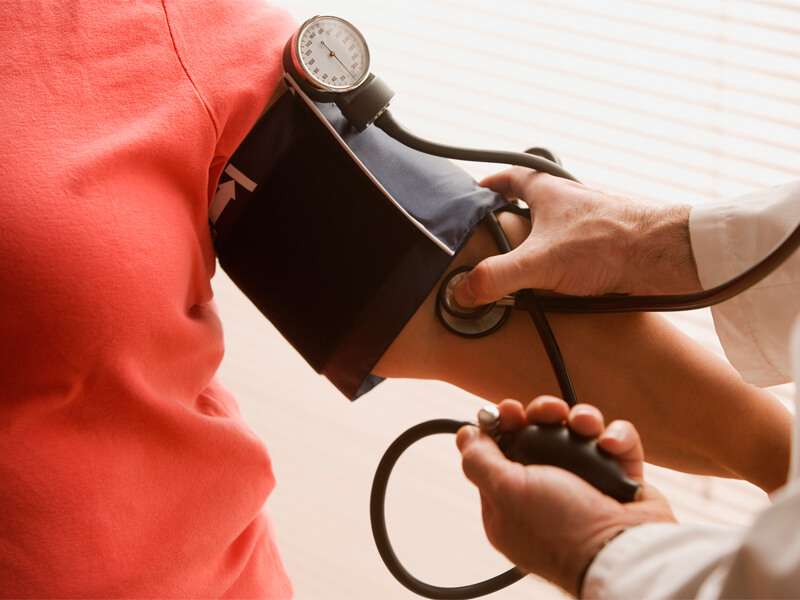
Hyperlipidemia refers to high levels of lipids (fats) in the bloodstream and is a significant risk factor for heart disease. Understanding lipid levels helps in guiding treatment strategies effectively.
- Common symptoms may not be present; however, related issues like chest pain could arise due to artery blockage.
- A lipid panel blood test is essential for diagnosing hyperlipidemia by measuring cholesterol and triglyceride levels in your body.
- Treatment includes lifestyle changes such as diet modification and exercise alongside medications like statins when necessary to lower cholesterol levels safely.
- Patients should be aware that results from lifestyle adjustments may take time but greatly impact overall health positively.
Monitoring lipid levels regularly can help mitigate risks associated with cardiovascular diseases significantly. Follow-up care is important for long-term management.
DIABETES CARE

Diabetes is a chronic condition that affects how your body processes sugar (glucose). Understanding diabetes management is vital for maintaining quality of life and preventing complications.
- The main symptoms include increased thirst, frequent urination, extreme fatigue, and blurred vision.
- Diagnosis usually involves blood tests that measure glucose levels; fasting glucose and HbA1c tests are common methods employed.
- Treatment plans often incorporate dietary changes, physical activity, monitoring blood sugar levels, and possibly medication or insulin therapy.
- Patients should know that managing diabetes effectively can minimize the risk of complications like neuropathy or cardiovascular issues.
- A collaborative approach with healthcare professionals enhances the management of this condition over time.
Regular consultations are key to adapting your treatment plan as needed for optimal health outcomes.
HYPERTENSION MANAGEMENT

Hypertension, often referred to as high blood pressure, is a common condition that can lead to severe health complications if not managed properly. It is crucial for individuals to monitor their blood pressure and understand the implications of elevated levels.
- Symptoms may include headaches, dizziness, or shortness of breath, but many people experience no symptoms at all.
- Diagnosis typically involves regular blood pressure readings, usually taken in a clinical setting or at home using a sphygmomanometer.
- Treatment options include lifestyle modifications such as diet and exercise, as well as medications like diuretics or ACE inhibitors.
- Managing stress and following a consistent treatment plan can significantly improve health outcomes.
- Patients should expect regular follow-ups to adjust treatment and monitor overall health.
Effective management of hypertension is essential to prevent heart disease and other serious conditions. Regular check-ups with a healthcare provider are recommended.