
Dr Gaurav Sharma
About Me
Dr Gaurav Sharma
MD
Anesthesiologist
10 Years Experience
Biography
My Clinic
OPD Hours
| Monday | Morning | 10:00 AM | - | 02:00 PM |
| Evening | 06:00 PM | - | 09:00 PM | |
| Tuesday | Morning | 10:00 AM | - | 02:00 PM |
| Evening | 06:00 PM | - | 09:00 PM | |
| Wednesday | Morning | 10:00 AM | - | 02:00 PM |
| Evening | 06:00 PM | - | 09:00 PM | |
| Thursday | Morning | 10:00 AM | - | 02:00 PM |
| Evening | 06:00 PM | - | 09:00 PM | |
| Friday | Morning | 10:00 AM | - | 02:00 PM |
| Evening | 06:00 PM | - | 09:00 PM | |
| Saturday | Morning | 10:00 AM | - | 02:00 PM |
| Evening | 06:00 PM | - | 09:00 PM | |
| Sunday | Morning | 10:00 AM | - | 02:00 PM |
| Evening | 06:00 PM | - | 09:00 PM |
Treatments
Specialised care and treatments offered
PREOPERATIVE ASSESSMENT
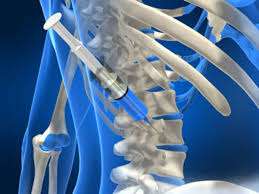
A comprehensive preoperative assessment is vital before any surgical intervention. This process identifies potential risks ensuring a tailor-made anesthetic plan prioritizing patient safety throughout their journey into surgery.
- The assessment encompasses collecting detailed information regarding existing medical conditions along with current medications taken by each individual .
- This thorough evaluation aids in determining optimal types & dosages appropriate per each case , while maintaining ongoing communication between teams involved across disciplines.
- The process typically culminates by reviewing findings together before proceeding forward towards the set date indicated on prior schedules including addressing concerns raised if any clarifying what could potentially occur afterward once an operation concludes appropriately./
Laying this groundwork allows healthcare professionals adequately address uncertainties ensuring every step taken feels secure within familiarity ahead even arriving closer towards desired outcomes aligned medically soundly.
CHRONIC PAIN MANAGEMENT

Anesthesiologists play a crucial role in managing chronic pain through various interventional techniques tailored for long-term relief. Chronic pain can severely impact daily living activities and overall quality of life.
- Symptoms include persistent discomfort lasting more than three months with potential underlying causes ranging from injury to disease processes such as arthritis.
- Diagnosis typically involves detailed patient history, physical examinations alongside imaging studies where required.
- Treatment options include nerve blocks , epidural injections , or other advanced modalities aimed at providing sustained relief over prolonged periods.
- Patients must prepare themselves mentally since ongoing management might necessitate periodic visits focusing on timely adjustments according towards responsiveness observed throughout therapy sessions.
The multidisciplinary approach adopted within chronic pain management fosters improved physical functioning alongside emotional support services essential when dealing with persisting bodily distress.
ANESTHESIA FOR PEDIATRIC PROCEDURES

Anesthetic care for children requires special consideration due to their unique physiological differences. Pediatric anesthesia ensures safety and comfort during surgeries tailored specifically for younger patients.
- The decision for pediatric anesthesia depends on age, health status, and surgical requirements.
- An evaluation includes a thorough review of both family history and previous reactions to anesthetics if applicable.
- Post-surgery monitoring focuses on recovery stages specific to children's needs.
- Parents are typically encouraged to be present during preoperative discussions.
Understanding these specialized protocols helps ensure that children receive appropriate care tailored just for them during medical treatments.
SEDATION

Sedation is used to relax patients undergoing minor surgical or diagnostic procedures. It allows individuals to remain awake yet calm and disengaged from discomfort or anxiety associated with treatment.
- Symptoms: Patients may feel nervous about undergoing certain procedures, thus requiring sedation for comfort during interventions.
- Diagnosis: The determination for sedation stems from patient assessment concerning anxiety levels and procedure specifics.
- Treatment/Management: Sedatives can be administered orally or intravenously, carefully monitored by an anesthesiologist throughout the process.
- What to Expect: After sedation, patients often report feeling drowsy but comfortable; many have little recollection of the procedure itself afterward.
Sedation enhances patient experience significantly, facilitating smooth execution of various medical interventions with reduced stress levels.
REGIONAL ANESTHESIA

This type of anesthesia involves numbing specific areas of the body, allowing patients to remain awake while being free from pain during procedures.
- Symptoms: This approach is often utilized in surgeries involving limbs or specific body areas requiring localized pain control.
- Diagnosis: Candidates are evaluated based on their medical history and type of surgery planned.
- Treatment/Management: Techniques like epidurals or nerve blocks are commonly applied to achieve regional anesthesia.
- What to Expect: Patients may experience sensation in other areas but should feel minimal discomfort in the targeted region, enhancing overall surgical experience.
Regional anesthesia can be particularly beneficial as it often leads to quicker postoperative recovery times compared to general anesthesia.
GENERAL ANESTHESIA

General anesthesia is a medically induced state of unconsciousness. It is typically used during major surgical procedures to ensure that patients remain pain-free and unaware throughout the operation.
- Symptoms: Patients usually require general anesthesia for invasive surgeries, where local anesthesia isn't sufficient.
- Diagnosis: An assessment of the patient's health history and physical exam helps determine the need for this type of anesthesia.
- Treatment/Management: The anesthesiologist administers medications through intravenous (IV) lines or inhalation methods to induce and maintain unconsciousness.
- What to Expect: After administration, patients will not recall the procedure upon waking. Monitoring of vital signs continues throughout the surgery.
General anesthesia is a safe and effective method to facilitate complex medical procedures, ensuring patient comfort and safety during treatment.