
Dr Gaurav Singha
About Me
Dr Gaurav Singha
Cardiologist
Biography
My Clinic
OPD Hours
| Monday | Morning | 10:00 AM | - | 02:00 PM |
| Evening | 06:00 PM | - | 09:00 PM | |
| Tuesday | Morning | 10:00 AM | - | 02:00 PM |
| Evening | 06:00 PM | - | 09:00 PM | |
| Wednesday | Morning | 10:00 AM | - | 02:00 PM |
| Evening | 06:00 PM | - | 09:00 PM | |
| Thursday | Morning | 10:00 AM | - | 02:00 PM |
| Evening | 06:00 PM | - | 09:00 PM | |
| Friday | Morning | 10:00 AM | - | 02:00 PM |
| Evening | 06:00 PM | - | 09:00 PM | |
| Saturday | Morning | 10:00 AM | - | 02:00 PM |
| Evening | 06:00 PM | - | 09:00 PM | |
| Sunday | Morning | 10:00 AM | - | 02:00 PM |
| Evening | 06:00 PM | - | 09:00 PM |
Treatments
Specialised care and treatments offered
PREVENTIVE CARDIOLOGY

The foundation of great cardiovascular health lies in preventive cardiology. This approach focuses on reducing risks before they develop into severe conditions through education and proactive measures
.- ,
- Key Components: Encouraging regular exercise regimes & balanced diets rich in fruits/vegetables contribute significantly towards keeping hearts safe
- Risk Assessments: Understanding individual risk factors through screenings helps tailor prevention strategies uniquely based upon differing needs across age demographics
- Awareness Campaigns: Community outreach programs designed educate populations about impacts staying active promoting healthy lifestyles
,< Your input makes a difference towards cases where early interventions really matter most!
CORONARY ARTERY DISEASE (CAD)
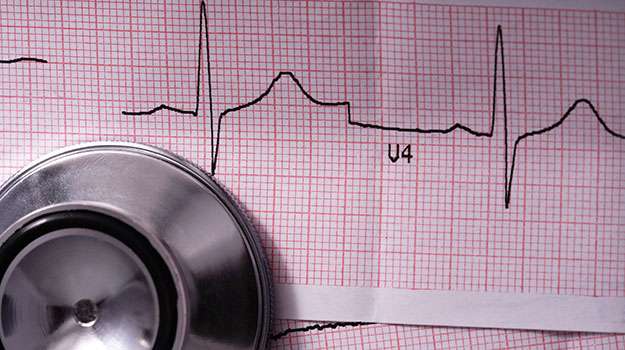
This condition occurs when the arteries supplying blood to the heart become narrowed due to plaque buildup. Understanding CAD empowers patients concerning their cardiovascular health choices ahead of time!
- Symptoms: Angina (chest pain), shortness of breath during exertion & fatigue may signify CAD
- Causes: Factors like high cholesterol levels & smoking significantly increase risks for developing CAD
- Diagnosis: Stress tests & angiograms allow healthcare professionals visual assessments over artery conditions
- Treatment Plans: Management entails lifestyle changes involving dietary modifications; medications could also be prescribed if needed
Regular follow-ups ensure sustained practices while minimizing complications associated diagnosed conditions!
ATRIAL FIBRILLATION (AFIB)
Atrial fibrillation is an irregular heartbeat that can lead to complications like stroke if not managed properly. Recognizing its signs helps in early intervention and treatment options.
- Symptoms: Patients may experience palpitations, dizziness, chest discomfort, or even weakness during physical exertion.
- Causative Elements: Risk factors include high blood pressure, prior heart surgery, sleep apnea or excessive alcohol consumption.
- Lifestyle Adjustments: Lifestyle changes such as following a heart-healthy diet combined with managing other medical conditions are essential for control of AFib episodes.
Evolving with proper care leads toward better outcomes despite having AFib diagnosis
HEART FAILURE MANAGEMENT
Heart failure is a chronic condition where the heart struggles to pump blood effectively. Understanding this condition helps patients take control of their health and manage symptoms effectively.
- Symptoms: Common signs may include breathlessness during activities, fatigue, swelling in legs or ankles, and persistent cough or wheezing.
- Causative Factors: Conditions like coronary artery disease or hypertension often contribute to heart failure development over time.
- Diagnosis : Typically involves physical examinations along with imaging tests like echocardiograms to assess heart function.
- Treatment Approaches: Lifestyle changes such as reduced salt intake combined with medications are key components in managing this condition effectively.
Your involvement in treatment decisions can greatly impact your quality of life despite living with heart failure.
CHOLESTEROL MANAGEMENT
Managing cholesterol levels effectively is vital for maintaining heart health and preventing cardiovascular diseases. Elevated cholesterol often goes unnoticed but can significantly impact your health over time.
- Symptoms: High cholesterol typically doesn't present symptoms; however, it can lead to chest pain or heart attacks if ignored.
- Causes: Contributing factors include unhealthy diet choices, obesity, sedentary lifestyle, and genetic predisposition.
- Diagnosis: A lipid panel blood test measures cholesterol levels in the body to evaluate risk factors for heart disease.
- Treatment Strategies: Treatments may focus on dietary modifications like reducing saturated fats and trans fats while increasing fiber intake along with routine exercise.
- Your Journey: Regular check-ups will help keep your cholesterol in check and reduce potential risks associated with high levels.
A proactive approach can lead you towards better heart health and longevity.
HYPERTENSION
Hypertension, also known as high blood pressure, is a condition that can lead to serious health issues if left untreated. It often occurs without noticeable symptoms, making it crucial to monitor regularly.
- Symptoms: Many individuals may not experience symptoms, but some might feel headaches, dizziness, or nosebleeds.
- Causes: Factors include genetics, poor diet, lack of exercise, stress, and excessive alcohol intake.
- Diagnosis: Blood pressure is measured using a sphygmomanometer. A reading consistently above 130/80 mmHg indicates hypertension.
- Treatment Options: Management may involve lifestyle changes such as improved diet, regular physical activity, and potentially medication when necessary.
- What to Expect: Regular monitoring and follow-up appointments will help ensure your blood pressure remains within healthy limits.
Your commitment to managing hypertension can significantly enhance your overall health and well-being.