
Dr Gautam Dethe
About Me
Dr Gautam Dethe
Dermatologist
Biography
My Clinic
OPD Hours
| Tuesday | Morning | 10:00 AM | - | 02:00 PM |
| Evening | 06:00 PM | - | 09:00 PM | |
| Wednesday | Morning | 10:00 AM | - | 02:00 PM |
| Evening | 06:00 PM | - | 09:00 PM | |
| Thursday | Morning | 10:00 AM | - | 02:00 PM |
| Evening | 06:00 PM | - | 09:00 PM | |
| Friday | Morning | 10:00 AM | - | 02:00 PM |
| Evening | 06:00 PM | - | 09:00 PM | |
| Saturday | Morning | 10:00 AM | - | 02:00 PM |
| Evening | 06:00 PM | - | 09:00 PM | |
| Sunday | Morning | 10:00 AM | - | 02:00 PM |
| Evening | 06:00 PM | - | 09:00 PM | |
| Thursday | Morning | 10:00 AM | - | 02:00 PM |
| Evening | 06:00 PM | - | 09:00 PM |
Treatments
Specialised care and treatments offered
ROSACEA
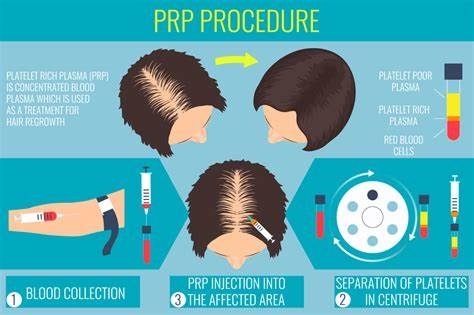
This long-term skin condition primarily affects facial areas leading to redness and visible blood vessels. Rosacea tends to flare up occasionally which makes prompt recognition critical for effective management strategies tailored specifically for you!
#- Importantly know: .list { color: lightblue }
WARTS
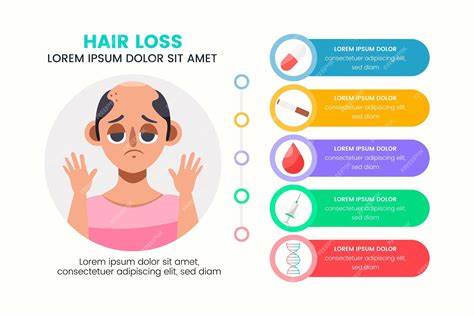
A wart is a small benign growth caused by the human papillomavirus (HPV). Though they are generally harmless, warts can be unsightly and sometimes painful depending on their location. Understanding this condition helps demystify treatment options available today!
- Warts appear as rough protrusions on the skin surface; some may resemble tiny cauliflower heads while others could be flat-topped bumps
Treatment methods include over-the-counter solutions like salicylic acid as well as more advanced therapies offered by specialists when necessary
ECZEMA (ATOPIC DERMATITIS)
Eczema is a chronic inflammatory skin condition that causes dry, itchy patches on the skin surface. It usually begins in childhood but can persist into adulthood if not treated properly. Understanding the triggers can help manage symptoms effectively over time.
- Main Symptoms: Commonly affected areas include the face, hands, inside elbows or behind knees; these areas may become intensely itchy or red.
- Potential Triggers: Irritants like soaps or detergents can worsen eczema; so too can allergens such as pollen or dust mites.
Treatment often includes moisturizing ointments and corticosteroid creams; long-term management focuses on lifestyle adjustments for better control over flare-ups
SKIN CANCER SCREENING
Regular skin cancer screenings are crucial for early detection of malignant skin lesions. These check-ups enable dermatologists to identify abnormal moles or growths before they become problematic. Early intervention is key to effectively treating skin cancer.
- Purpose: The main aim of screening is to catch potential cancerous changes at an early stage when treatment is most effective.
- Your Role: Patients should perform self-examinations regularly and report any changes in their skin to their doctor promptly.
Catching signs of skin cancer early improves survival rates significantly; thus regular screenings cannot be overstated in importance!
PSORIASIS
Psoriasis is a chronic autoimmune condition that leads to the rapid growth of skin cells. This results in thick, red patches covered with white scales that can be itchy and uncomfortable. Timely intervention can significantly improve quality of life.
- Symptoms: Common indicators include raised plaques on elbows, knees, scalp, and lower back along with potential scaling.
- Triggers: Factors such as stress, infections, or certain medications may exacerbate the condition.
- Diagnosis: A thorough physical examination by a dermatologist usually suffices for accurate diagnosis.
- Treatment Approaches: Options range from topical treatments to phototherapy or systemic medications for severe cases.
A well-tailored treatment plan can lead to significant improvements in symptoms and overall skin health.
ACNE VULGARIS
Acne vulgaris is a common skin condition characterized by the presence of pimples, blackheads, and cysts. It typically occurs during adolescence but can affect individuals of all ages. Understanding its causes and treatments is important for effective management.
- Symptoms: This condition often manifests as inflamed red spots, whiteheads, or blackheads primarily on the face, back, and shoulders.
- Causes: Hormonal changes, excess oil production, and bacterial growth are significant contributors to acne development.
- Diagnosis: A dermatologist will assess the skin condition through visual examination and patient history.
- Treatment Options: Treatments can include topical retinoids, antibiotics, or oral medications depending on severity.
- Management Strategies: Regular cleansing routines and avoiding certain cosmetics can help in preventing breakouts.
With proper care and guidance from a healthcare professional, managing acne effectively is possible.