
Dr Gautam SenMd
About Me
Dr Gautam SenMd
MD
Cardiologist
10 Years Experience
Biography
My Clinic
OPD Hours
| Monday | Morning | 10:00 AM | - | 02:00 PM |
| Evening | 06:00 PM | - | 09:00 PM | |
| Tuesday | Morning | 10:00 AM | - | 02:00 PM |
| Evening | 06:00 PM | - | 09:00 PM | |
| Wednesday | Morning | 10:00 AM | - | 02:00 PM |
| Evening | 06:00 PM | - | 09:00 PM | |
| Thursday | Morning | 10:00 AM | - | 02:00 PM |
| Evening | 06:00 PM | - | 09:00 PM | |
| Friday | Morning | 10:00 AM | - | 02:00 PM |
| Evening | 06:00 PM | - | 09:00 PM | |
| Saturday | Morning | 10:00 AM | - | 02:00 PM |
| Evening | 06:00 PM | - | 09:00 PM | |
| Sunday | Morning | 10:00 AM | - | 02:00 PM |
| Evening | 06:00 PM | - | 09:00 PM |
Treatments
Specialised care and treatments offered
LIFESTYLE MODIFICATION COUNSELING FOR CARDIAC HEALTH

Your lifestyle choices play a crucial role in reducing cardiovascular risk factors such as obesity, poor nutrition, smoking habits, and sedentary behavior. Focused counseling supports lasting change toward better heart health outcomes.
- Main targets include: adopting balanced diets low in salt/saturated fat paired with regular aerobic exercise tailored safely according to baseline assessment.
- Cessation support: For smokers wanting to quit tobacco products there are effective behavioral strategies combined with pharmacotherapy where appropriate.
- Mental health consideration: Stress management approaches boost adherence to lifestyle changes positively impacting cardiac status overall.
- Lifelong commitment emphasized through education on recognizing early warning signs prompting medical follow-up timely.\
This preventive approach led by specialized cardiology teams fosters durable cardiovascular wellness significantly lowering future event risks.
ECHOCARDIOGRAPHY (HEART ULTRASOUND)
This imaging technique uses sound waves to produce pictures of heart structures in real-time. It assesses cardiac function comprehensively without radiation exposure.
- Pain-free procedure: No needles or incisions involved; a gel-covered probe moved over your chest captures images.
- Disease detection: Echocardiography identifies valve problems, chamber enlargement, wall motion abnormalities from previous damage.
- Treatment guidance: This test aids cardiologists in deciding medical versus surgical interventions tailored individually.
- Additional uses: Quantifies ejection fraction - an important marker of pumping efficiency which guides prognosis.
- User friendly: Usually completed within 30-45 minutes during outpatient appointments.
Echocardiography remains fundamental in diagnosing numerous cardiac conditions efficiently while prioritizing patient comfort.
STRESS TESTING FOR HEART FUNCTION
A stress test evaluates how well the heart copes with exertion. It reveals features of coronary artery disease that might not appear at rest.
- The rationale behind this test: Exercising increases heart workload; inadequate blood flow can cause symptoms or ECG changes during stress testing.
- The procedure includes: Walking on a treadmill or cycling while monitoring ECG, blood pressure, and symptoms closely throughout exercise stages.
- The benefits: Identifies ischemia early before severe complications develop and assists in risk stratification for treatment planning.
- Safety measures:
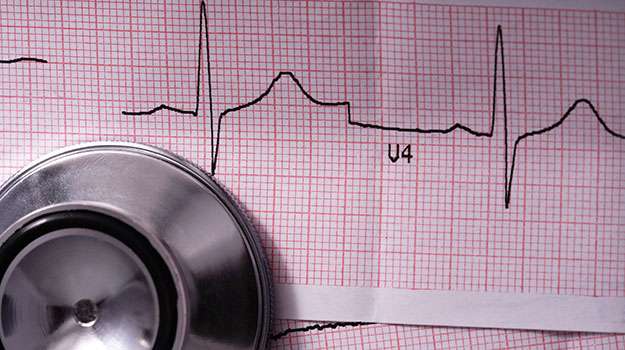
ELECTROCARDIOGRAM (ECG) TESTING
An ECG is a quick, non-invasive test that records the electrical activity of the heart. It helps detect irregular heart rhythms or damage to heart muscle.
- If you have symptoms: Palpitations, chest pain or dizziness may prompt an ECG evaluation.
- The process: Small electrodes placed on the chest capture electrical signals producing waveforms interpreted by specialists.
- This test can diagnose: Arrhythmias, prior myocardial infarction signs or conduction abnormalities among other conditions.
- No preparation required: The procedure is painless and takes only a few minutes at the clinic visit.
An ECG gives valuable information leading to timely intervention for many cardiac issues when detected early enough.
CHOLESTEROL SCREENING AND CONTROL
An important step toward preventing heart disease is assessing and managing cholesterol levels in the blood. Elevated cholesterol contributes to artery blockage over time.
- Causes: Genetic predisposition, diet high in saturated fats, obesity, and inactivity can elevate cholesterol levels.
- Diagnosis: A fasting lipid profile blood test measures different types of cholesterol including LDL and HDL.
- Treatment strategies: Dietary modifications, physical activity, and when necessary, cholesterol-lowering medications are used.
- Monitoring: Periodic testing evaluates treatment effectiveness and guides adjustments.
A proactive approach in controlling cholesterol helps maintain healthy arteries and prevent cardiac complications.
HYPERTENSION MANAGEMENT
High blood pressure is a common condition that can lead to serious heart problems if left untreated. Managing blood pressure effectively helps reduce the risk of heart attacks and strokes.
- Symptoms and causes: Often called the "silent killer," hypertension may show no symptoms but can be influenced by factors like genetics, diet, stress, and lifestyle.
- Diagnosis: Blood pressure is measured using a cuff device; repeated readings confirm the condition.
- Treatment options: Lifestyle changes such as diet and exercise, along with medications prescribed by a cardiologist.
- Management: Regular monitoring, stress reduction techniques, and adherence to treatment plans improve outcomes.
- What to expect: Ongoing care may involve routine visits to monitor blood pressure levels and adjust therapy as needed.
Properly managing hypertension reduces risks significantly and promotes long-term cardiovascular health.