
Dr Gautam Sharma
About Me
Dr Gautam Sharma
MD
Anesthesiologist
10 Years Experience
Biography
My Clinic
OPD Hours
| Monday | Morning | 10:00 AM | - | 02:00 PM |
| Evening | 06:00 PM | - | 09:00 PM | |
| Tuesday | Morning | 10:00 AM | - | 02:00 PM |
| Evening | 06:00 PM | - | 09:00 PM | |
| Wednesday | Morning | 10:00 AM | - | 02:00 PM |
| Evening | 06:00 PM | - | 09:00 PM | |
| Thursday | Morning | 10:00 AM | - | 02:00 PM |
| Evening | 06:00 PM | - | 09:00 PM | |
| Friday | Morning | 10:00 AM | - | 02:00 PM |
| Evening | 06:00 PM | - | 09:00 PM | |
| Saturday | Morning | 10:00 AM | - | 02:00 PM |
| Evening | 06:00 PM | - | 09:00 PM | |
| Sunday | Morning | 10:00 AM | - | 02:00 PM |
| Evening | 06:00 PM | - | 09:00 PM |
Treatments
Specialised care and treatments offered
MANAGEMENT OF POSTOPERATIVE NAUSEA
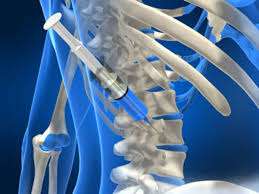
Nausea following surgery is uncomfortable but manageable. Understanding its causes and preventative measures can lead to effective treatment strategies postoperatively.
- Causes : Frequently triggered by anesthesia drugs used during procedures alongside factors such as motion sickness history; results may vary among individuals based on their sensitivities.'
- Diagnosis : Assessment focuses primarily upon symptom presentation immediately after recovery from anesthesia using standardized scoring systems.
- Treatment Options : Medications available include antiemetics administered when required within hospital settings combined with hydration support if necessary.'
- What To Expect : With proper management protocols adhered too significantly reduces risk incidences associated postoperative nausea leading towards smoother recoveries overall.'
The emphasis lies upon educating patients regarding potential side effects proactively ensuring optimal support follows any surgical intervention they pursue.'
ANXIETY MANAGEMENT IN SURGICAL PATIENTS

Anxiety prior to surgery is common but manageable through effective strategies. Addressing these concerns helps promote better surgical outcomes and recovery experiences.
- Symptoms/Indications: Symptoms may include excessive worry about the procedure or fear of anesthesia side effects affecting readiness for surgery.'
- Diagnosis : Evaluation includes assessing psychological state through discussions surrounding previous surgeries or experiences with anesthesia.'
- Treatment Options : Strategies might involve preoperative counseling sessions alongside relaxation techniques such as guided imagery or mindfulness practices tailored specifically towards surgical care.'
- Expectations : Most patients report feeling calmer after engaging in preoperative preparations focusing on their mental health; this positively impacts overall surgical performance.'
By prioritizing mental well-being alongside physical preparation ahead of surgery procedures; we work toward enhancing satisfaction levels
PAIN RELIEF DURING LABOR

Pain management during labor is essential for maternal comfort and can positively influence birth outcomes. Various techniques help mothers manage contractions effectively.
- Symptoms/Indications: Pregnant women seeking options for effective pain control during childbirth can benefit greatly from these methods.
- Assessment/Planning: Discussions occur surrounding birthing plans which encompass preferences for managing labor discomforts such as epidurals or natural methods like breathing techniques.
- Treatment Options: Includes pharmacological options like epidural analgesia or non-pharmacologic methods like hydrotherapy or massage therapy tailored to individual needs.
- What to Expect: Women can anticipate varying levels of pain relief depending on the chosen method; supportive care remains vital throughout the labor experience.
The focus is on providing personalized care that empowers women during one of life's most significant moments.
SEDATION FOR PROCEDURES

Sedation is commonly utilized in various medical procedures to ease anxiety and discomfort. Understanding the types of sedation can help alleviate fears associated with treatment.
- Symptoms/Indications: Suggested for patients experiencing significant anxiety about upcoming diagnostic or therapeutic procedures.
- Diagnosis/Assessment: Evaluating patient history, current medications, and anxiety levels determine the appropriate level of sedation required.
- Treatment Options: Ranging from minimal sedation (patient remains awake) to deep sedation (patient is unresponsive), ensuring comfort throughout the procedure.
- Expectations: Patients typically feel relaxed during the procedure and may have little memory of it afterward; monitoring ensures safety throughout sedation.
A well-planned sedation regimen enhances patient comfort while maintaining the effectiveness of necessary interventions.
REGIONAL ANESTHESIA TECHNIQUES

Regional anesthesia plays a crucial role in managing surgical and postoperative pain. It involves blocking specific nerve pathways to diminish sensation in targeted areas.
- Symptoms/Indications: Recommended for surgeries requiring significant pain control while preserving consciousness.
- Diagnosis: Assessed through patient evaluation regarding surgery type and individual health status.
- Treatment Options: Techniques may include epidural blocks or nerve blocks along with adjuvant medications for enhanced relief.
- What to Expect: Patients can expect reduced pain post-surgery, contributing to quicker recovery times and less reliance on opioids.
This approach not only alleviates discomfort but also promotes a smoother recovery process for various surgical procedures.
CHRONIC PAIN MANAGEMENT

Chronic pain affects millions of individuals and can significantly impact quality of life. It often requires a comprehensive approach to effectively manage symptoms.
- Symptoms: Persistent pain lasting more than three months, fatigue, sleep disturbances, and depression.
- Diagnosis: Involves thorough medical history, physical examinations, and possibly imaging tests like X-rays or MRIs.
- Treatment Options: May include medication management, physical therapy, cognitive behavioral therapy, and lifestyle modifications.
- Expectations: A multimodal approach often leads to better outcomes; however, chronic pain is usually managed rather than cured.
The goal is to empower patients with tools and strategies to cope with their condition effectively.