
Dr Geeta Shah Mishra
About Me
Dr Geeta Shah Mishra
Internal Medicine
Biography
My Clinic
OPD Hours
| Tuesday | Morning | 10:00 AM | - | 02:00 PM |
| Evening | 06:00 PM | - | 09:00 PM | |
| Wednesday | Morning | 10:00 AM | - | 02:00 PM |
| Evening | 06:00 PM | - | 09:00 PM | |
| Thursday | Morning | 10:00 AM | - | 02:00 PM |
| Evening | 06:00 PM | - | 09:00 PM | |
| Friday | Morning | 10:00 AM | - | 02:00 PM |
| Evening | 06:00 PM | - | 09:00 PM | |
| Saturday | Morning | 10:00 AM | - | 02:00 PM |
| Evening | 06:00 PM | - | 09:00 PM | |
| Sunday | Morning | 10:00 AM | - | 02:00 PM |
| Evening | 06:00 PM | - | 09:00 PM | |
| Thursday | Morning | 10:00 AM | - | 02:00 PM |
| Evening | 06:00 PM | - | 09:00 PM |
Treatments
Specialised care and treatments offered
DIABETES MELLITUS TYPE 2
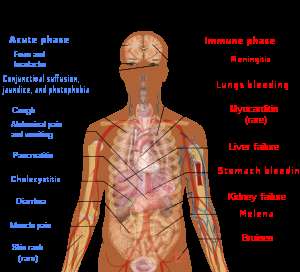
Diabetes Mellitus Type 2 represents an escalating global health crisis characterized by insulin resistance culminating increased blood glucose levels over time leading multiple systemic complications affecting quality life substantially!
- Common symptoms encompass excessive thirst recurring urination constant fatigue blurred vision tingling sensations extremities!
- Diagnosis typically involved performing fasting plasma glucose oral glucose tolerance testing alongside hemoglobin A1c measurements tracking control efficacy!
- Management revolves around lifestyle alterations diet enhancement consistent exercise routines potentially requiring oral hypoglycemics injectables insulins adjunctively depending severity case!
- Continuous proper monitoring critically important maintaining target ranges minimizing risk long-term sequelae includes neuropathy retinopathy cardiovascular impairments!
Engaging providers promptly pivotal journey achieving improved metabolic health optimizing overall wellness too! 《/ p 》
CONGESTIVE HEART FAILURE (CHF)
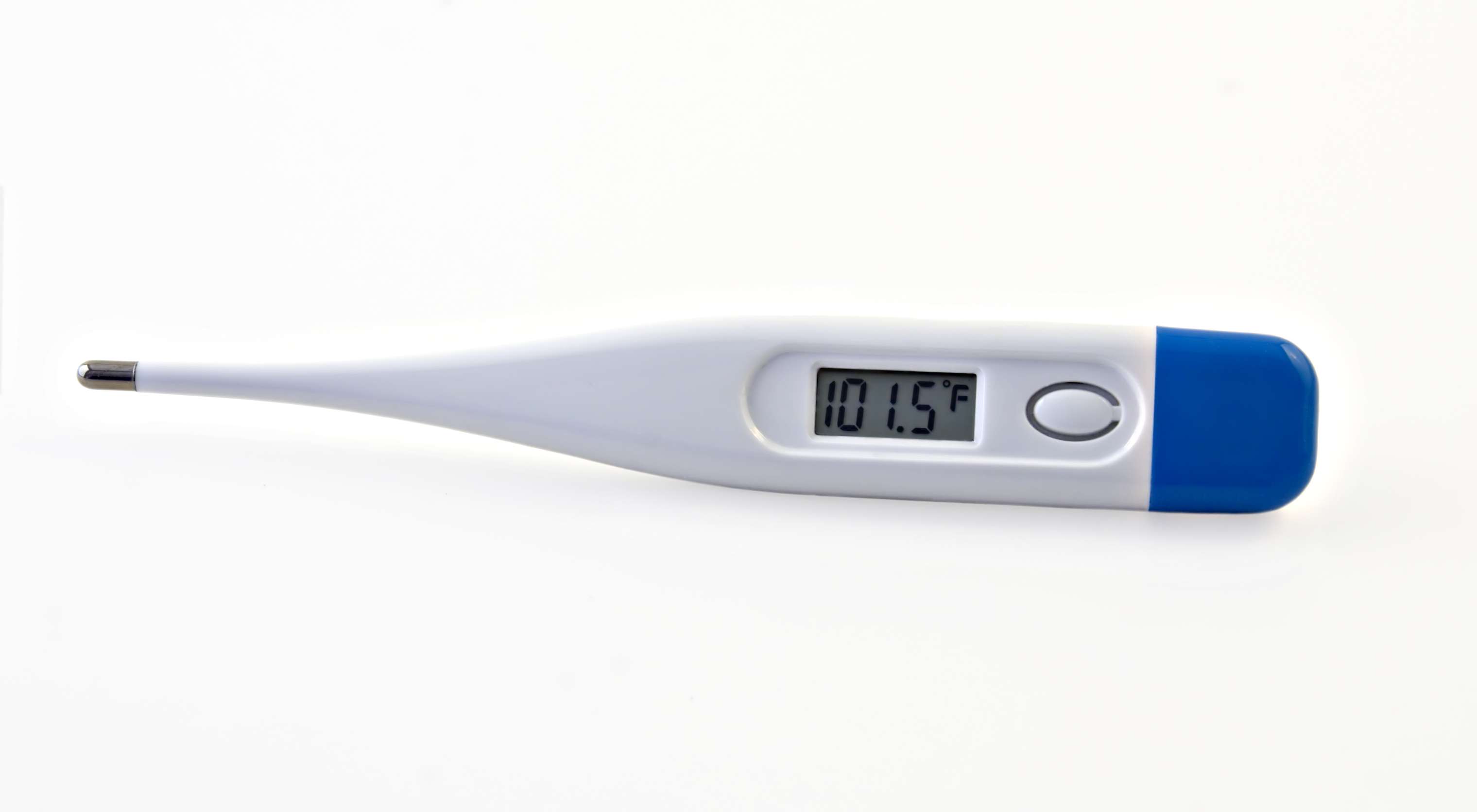
Congestive Heart Failure is a chronic condition where the heart struggles to pump sufficient blood to meet the body's needs. Symptoms may develop gradually but warrant serious attention when they appear suddenly post-activity or stress!
- Main symptoms include fatigue from minimal exertion swelling in legs/abdomen along with persistent coughs due from fluid buildup in lungs.
- The diagnosis involves comprehensive evaluation consisting predominantly of echocardiograms plus additional imaging techniques alongside laboratory assessments targeting renal functions/ electrolytes.
- Treatment primarily consists of medications targeting fluid retention hypertension whilst commonly including lifestyle modifications dietary enhancements focused towards sodium restriction.
- Monitoring regularly required helping track weight fluctuations helps identify exacerbations before they escalate causing greater complications further down road.
If left untreated CHF leads dire consequences so acting fast vital!
PULMONARY EMBOLISM (PE)
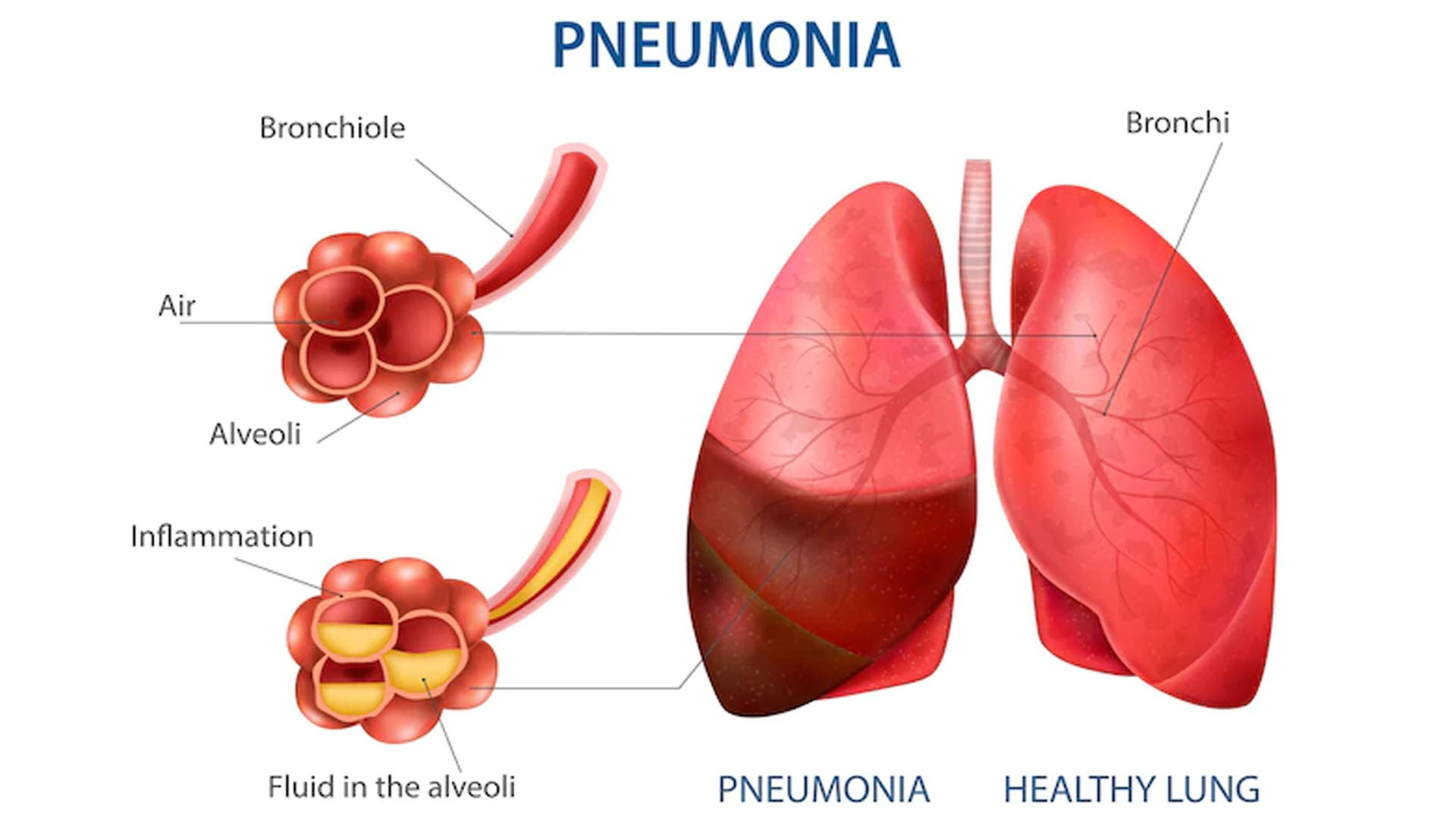
Pulmonary Embolism occurs when a blood clot travels to the lungs blocking one or more arteries. It can be life-threatening but understanding the signs leads to better outcomes through timely treatment.
- Symptoms often include sudden shortness of breath, chest pain that worsens with deep breaths, coughing up blood, or rapid heart rate.
- A healthcare professional will diagnose PE using imaging tests like CT pulmonary angiography combined with D-dimer tests to detect clot formation in the bloodstream.
- Treatment usually involves anticoagulant medications that prevent further clotting; in severe cases, thrombolytics may dissolve clots quickly.
- Ongoing management includes lifestyle changes like increasing activity levels and avoiding sitting for extended periods during travel . Catching symptoms early dramatically enhances chances for recovery.
SEPSIS
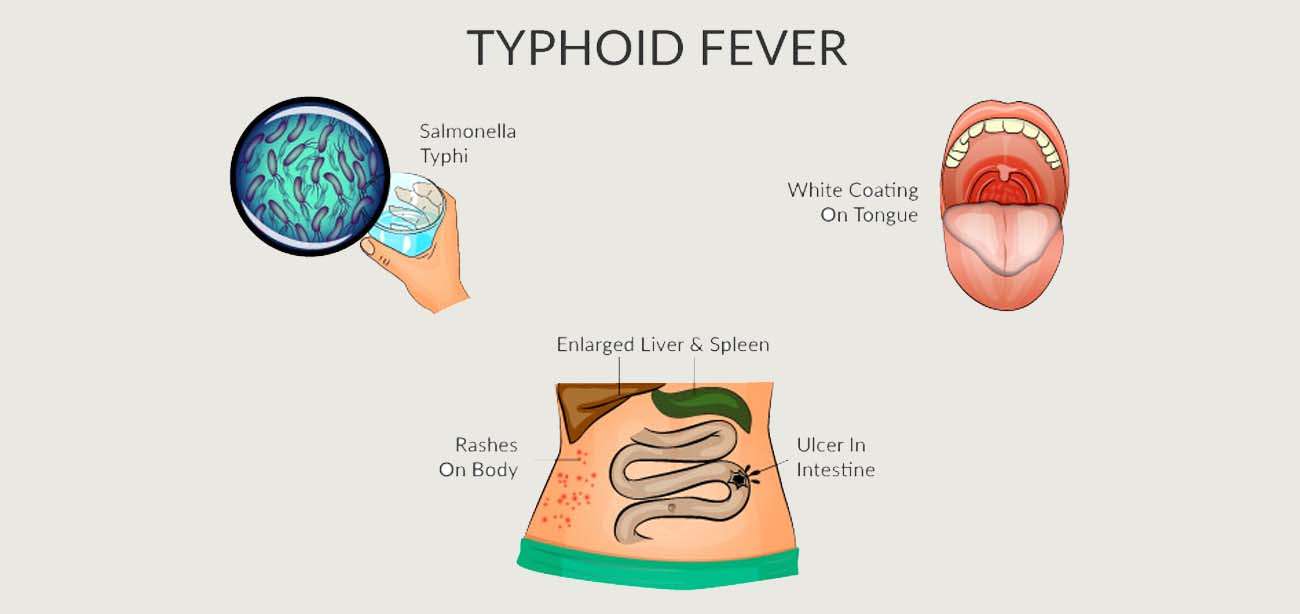
Sepsis is a life-threatening condition triggered by the body's extreme response to an infection. When an infection spreads throughout the body, it can lead to systemic inflammation and organ dysfunction.
- The common symptoms include fever, increased heart rate, confusion, and difficulty breathing; recognizing these early signs is essential for prompt treatment.
- Diagnosis often requires a thorough review of medical history along with blood cultures and other tests to identify the source of infection.
- Treatment generally involves hospitalization for intravenous antibiotics and fluids; in severe cases, additional supportive measures may be required such as vasopressors or organ support therapies.
- Patients need regular monitoring during treatment as sepsis can progress rapidly if not managed effectively.
- The outlook depends largely on how quickly treatment begins; early intervention improves survival rates significantly.
Being vigilant about potential infections can prevent progression to sepsis; seek care immediately if symptoms arise!
ACUTE KIDNEY INJURY (AKI)
Acute Kidney Injury is characterized by a rapid decline in kidney function, which can be life-threatening if not addressed promptly. Various factors including dehydration, certain medications, or infections can contribute to this condition.
- The primary symptoms include decreased urine output, swelling due to fluid retention, and fatigue. Patients may also experience confusion or shortness of breath.
- A healthcare provider will diagnose AKI through blood tests to evaluate kidney function and urine tests to identify any underlying issues.
- Treatment mainly involves managing the cause of injury, with potential interventions such as intravenous fluids or medications.
- In severe cases, dialysis might be necessary to assist kidney function temporarily.
- Recovery varies by individual; some may regain full function quickly while others require longer-term management and follow-up care.
If you suspect acute kidney issues, seeking immediate medical help is crucial for improving prognosis.
ACUTE RESPIRATORY DISTRESS SYNDROME (ARDS)
Acute Respiratory Distress Syndrome is a serious condition that occurs when the lungs become severely inflamed, leading to respiratory failure. This can happen due to various causes including pneumonia, sepsis, or trauma.
- Symptoms may include sudden shortness of breath, rapid breathing, and low blood oxygen levels.
- The diagnosis typically involves a combination of physical examinations, imaging tests such as chest X-rays or CT scans, and blood tests to assess oxygen levels.
- Treatment options focus on providing adequate oxygenation and may involve mechanical ventilation and medications to reduce lung inflammation.
- Management also includes addressing any underlying conditions that may have triggered ARDS.
- Patients can expect close monitoring and supportive care in a hospital setting for optimal recovery.
ARDS is a critical condition that requires immediate medical attention; timely intervention can significantly improve outcomes.