
Dr Geraldine Jai
About Me
Dr Geraldine Jai
Dermatologist
Biography
My Clinic
OPD Hours
| Monday | Morning | 10:00 AM | - | 02:00 PM |
| Evening | 06:00 PM | - | 09:00 PM | |
| Tuesday | Morning | 10:00 AM | - | 02:00 PM |
| Evening | 06:00 PM | - | 09:00 PM | |
| Wednesday | Morning | 10:00 AM | - | 02:00 PM |
| Evening | 06:00 PM | - | 09:00 PM | |
| Thursday | Morning | 10:00 AM | - | 02:00 PM |
| Evening | 06:00 PM | - | 09:00 PM | |
| Friday | Morning | 10:00 AM | - | 02:00 PM |
| Evening | 06:00 PM | - | 09:00 PM | |
| Saturday | Morning | 10:00 AM | - | 02:00 PM |
| Evening | 06:00 PM | - | 09:00 PM | |
| Sunday | Morning | 10:00 AM | - | 02:00 PM |
| Evening | 06:00 PM | - | 09:00 PM |
Treatments
Specialised care and treatments offered
SKIN CANCER SCREENING
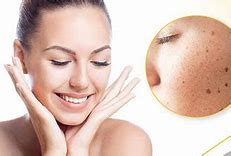
A comprehensive skin cancer screening involves assessing moles or growths for any signs indicative of malignancy. This proactive measure is crucial since early detection significantly enhances treatment success rates for various types of skin cancer.
- Symptoms: Patients should look out for changing moles—especially those that become asymmetrical or exhibit uneven borders or color variations.
- Causes: Risk factors include excessive UV exposure from sunlight or tanning beds as well as personal histories of skin cancer in families.
- Diagnosis: The screening includes visual inspections by a dermatologist; biopsies may be done if suspicious lesions are identified for further analysis.
ACNE VULGARIS
Acne vulgaris is one of the most prevalent dermatological conditions affecting teenagers and adults alike. It occurs due to clogged hair follicles from oil and dead skin cells, leading to pimples or cysts on the face or body.
- Symptoms: Commonly presents as blackheads, whiteheads, pustules, or cysts mainly on the face, back, and shoulders.
- Causes: Factors include hormonal changes during puberty, stress levels, diet choices, and certain medications.
- Diagnosis: Dermatologists assess the type and severity through visual examination; sometimes hormone levels may be evaluated if indicated.
- Treatment options: Options range from over-the-counter topical treatments to prescription medications like retinoids or antibiotics for more severe cases.
- Expectations: With commitment to routine care and possibly lifestyle changes, many patients see significant improvement within weeks or months.
A personalized treatment approach is essential for managing acne effectively based on individual skin type and acne severity.
ECZEMA
Eczema, or atopic dermatitis, is a common inflammatory skin condition that causes red, itchy patches. It can significantly affect quality of life and often begins in childhood but can persist into adulthood.
- Symptoms: Patients often experience itching followed by redness and dryness on various body areas.
- Causes: Genetic factors coupled with environmental influences are believed to play a role in eczema onset.
- Diagnosis: A thorough patient history and examination are critical for diagnosis; sometimes patch testing may be conducted.
- Treatment options: Management focuses on moisturizing regimens and topical steroids; severe cases might require systemic therapy.
- Expectations: Eczema tends to flare up intermittently but can be managed effectively with appropriate care strategies.
Maintaining healthy skin through hydration and avoiding identified triggers are key elements in the management of eczema symptoms over time.
PSORIASIS
Psoriasis is a chronic skin condition that results in the rapid growth of skin cells, leading to scaling on the skin's surface. It can occur anywhere on the body and often leads to red patches covered with thick, silvery scales.
- Symptoms: Characterized by dry, itchy patches of skin, often appearing on elbows, knees, and scalp.
- Causes: The exact cause remains unclear but may involve a combination of genetics and immune system issues.
- Diagnosis: A dermatologist typically diagnoses psoriasis through a physical examination of the skin.
- Treatment options: Management may include topical treatments, phototherapy, or systemic medications depending on severity.
- Expectations: While there is no cure for psoriasis, effective management can significantly reduce symptoms and improve quality of life.
Managing psoriasis involves understanding triggers and following a treatment plan tailored to individual needs. Regular follow-ups are essential for optimal control.