
Dr Ghanshyam Agr
About Me
Dr Ghanshyam Agr
MD
Neurologist
10 Years Experience
Biography
My Clinic
OPD Hours
| Monday | Morning | 10:00 AM | - | 02:00 PM |
| Evening | 06:00 PM | - | 09:00 PM | |
| Tuesday | Morning | 10:00 AM | - | 02:00 PM |
| Evening | 06:00 PM | - | 09:00 PM | |
| Wednesday | Morning | 10:00 AM | - | 02:00 PM |
| Evening | 06:00 PM | - | 09:00 PM | |
| Thursday | Morning | 10:00 AM | - | 02:00 PM |
| Evening | 06:00 PM | - | 09:00 PM | |
| Friday | Morning | 10:00 AM | - | 02:00 PM |
| Evening | 06:00 PM | - | 09:00 PM | |
| Saturday | Morning | 10:00 AM | - | 02:00 PM |
| Evening | 06:00 PM | - | 09:00 PM | |
| Sunday | Morning | 10:00 AM | - | 02:00 PM |
| Evening | 06:00 PM | - | 09:00 PM |
Treatments
Specialised care and treatments offered
ALZHEIMER'S DISEASE

This progressive form of dementia affects memory, thinking skills, and eventually one’s ability to carry out simple tasks. Alzheimer's disease significantly impacts not only those diagnosed but also their families involved in caregiving roles over time frames extending beyond years upon initial diagnostic confirmation!
- Elderly individuals often show initial signs involving memory lapses affecting short-term recall abilities making everyday activities challenging over time periods without prompting triggers observed regularly at first glance unlike typical age-associated forgetfulness experienced generally within older populations today!
- A comprehensive evaluation through cognitive assessments alongside neuroimaging allows physicians specializing neurologically identifying changes suggestive Alzheimer's presence proceeding patients throughout stages identified uniquely distinctively later amidst varied symptomatologies noted across genders simultaneously presenting specific trajectories accordingly upon observation verbal feedback received voluntarily exhibited over intervals witnessed longitudinally hereafter confirmed collectively driven forward therapeutically adapting alongside personalized intervention methodologies initiated sequentially thereafter conservatively navigating established pathways individually crafted consistently driving forward progressively aimed reducing burdens encountered previously encountered maintaining quality lifestyle regained further enriching lives lived enhanced thoroughly produced holistically uplifting communities served faithfully throughout our collective endeavors oriented towards improvement enhancing outcomes realized!
- Treatment approaches combine supportive care systems structured designed specifically target remaining strengths empowering individuals preserving dignity ultimately transforming lives amid adversities encountered matured appreciably amongst families learning adjusting narratives whilst providing hands-on support encompassing their entire journeys travelled together elaborative sequences unfolding mutually inclusive actively integrated !
Early detection combined persistently proactive measures taken increase successful outcomes significantly ensuring extended stability amidst unpredictability shall foster resiliency cultivated united forge paths crossed long journey ahead predictive evolving landscapes awaiting us all reassuring encompassing enriched futures envisioned!
STROKE MANAGEMENT
A stroke occurs when blood flow to an area of the brain is interrupted or reduced; this deprives brain tissue of oxygen and nutrients. Timely intervention is crucial for minimizing potential damage caused by stroke events.
- Main types include ischemic strokes caused by clots and hemorrhagic strokes due to bleeding; each presents unique challenges in management.
- A rapid diagnosis utilizes imaging studies such as CT or MRI scans to identify stroke type and affected areas promptly.
- Treatment starts with restoring blood flow for ischemic strokes through clot-busting medications like tPA, while hemorrhagic strokes require different approaches including surgery depending on bleed location/size.
- Rehabilitation services like physical therapy are essential in helping patients recover lost functions post-stroke recovery phase thereby improving overall outcomes significantly.
Your recovery journey will benefit greatly from comprehensive care involving various specialists within rehabilitation settings after critical interventions during acute phases have been handled appropriately!
MIGRAINE
Migraine is a type of headache disorder characterized by recurrent headaches that are often moderate to severe in intensity. These headaches can be accompanied by various distressing symptoms that affect quality of life significantly.
- Migraines may present with symptoms such as pulsating pain on one side of the head, nausea, vomiting, or sensitivity to light and sound during episodes.
- A thorough medical history along with headache diaries help clinicians diagnose this condition accurately; imaging studies are rarely required unless red flags are present.
- Treatment strategies often involve acute medications for pain relief as well as preventive treatments for those experiencing frequent migraines.
- Lifestyle modifications including stress management techniques can also play a key role in reducing migraine frequency.
An effective management plan can empower patients to minimize their migraine impact on daily activities considerably.
PARKINSON'S DISEASE
Parkinson's disease is a progressive neurological disorder that primarily affects movement. It arises from the degeneration of dopamine-producing neurons, leading to tremors, stiffness, and slow movement.
- The initial signs might include subtle tremors in one hand or changes in handwriting style (micrographia).
- A neurologist conducts a clinical assessment based on medical history and physical examination; imaging tests may be used for further evaluation.
- Treatment options range from medications like levodopa, which improves motor function, to advanced therapies like deep brain stimulation when symptoms become severe.
- Physical therapy plays an important role in improving mobility and balance as the disease progresses.
An individualized treatment plan tailored to each patient's needs can enhance their daily living experiences significantly.
MULTIPLE SCLEROSIS
Multiple sclerosis (MS) is a chronic autoimmune disease that affects the central nervous system. It occurs when the immune system attacks the protective covering of nerve fibers, leading to communication issues between the brain and body.
- Common symptoms include fatigue, difficulty walking, numbness or tingling in limbs, and vision problems.
- Diagnosis usually involves MRI scans and lumbar puncture to analyze cerebrospinal fluid for inflammatory markers.
- Treatment may include disease-modifying therapies (DMTs) aimed at slowing progression and managing flare-ups with corticosteroids.
- Rehabilitation therapies can assist with mobility and independence during daily activities.
A comprehensive approach helps individuals manage MS effectively and maintain a good quality of life.
EPILEPSY
Epilepsy is a neurological disorder characterized by recurrent seizures. These seizures result from abnormal electrical activity in the brain and can vary widely in severity and duration.
- Symptoms of epilepsy may include unexpected seizures, confusion, staring spells, and loss of awareness.
- The diagnosis typically involves a combination of patient history, neurological examination, and electroencephalogram (EEG) to monitor brain activity.
- Treatment options often include antiepileptic medications which help control seizure frequency.
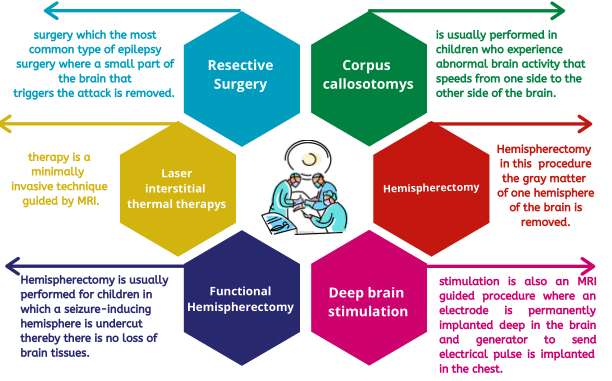
- In some cases, surgical intervention may be considered if medication is ineffective.
- Ongoing management includes regular follow-up appointments to adjust treatment based on response.
Living with epilepsy requires education about the condition and support systems to manage it effectively.