
Dr Girendra Pal
About Me
Dr Girendra Pal
MBBS
General Physician
Biography
My Clinic
OPD Hours
| Monday | Morning | 10:00 AM | - | 02:00 PM |
| Evening | 06:00 PM | - | 09:00 PM | |
| Tuesday | Morning | 10:00 AM | - | 02:00 PM |
| Evening | 06:00 PM | - | 09:00 PM | |
| Wednesday | Morning | 10:00 AM | - | 02:00 PM |
| Evening | 06:00 PM | - | 09:00 PM | |
| Thursday | Morning | 10:00 AM | - | 02:00 PM |
| Evening | 06:00 PM | - | 09:00 PM | |
| Friday | Morning | 10:00 AM | - | 02:00 PM |
| Evening | 06:00 PM | - | 09:00 PM | |
| Saturday | Morning | 10:00 AM | - | 02:00 PM |
| Evening | 06:00 PM | - | 09:00 PM | |
| Sunday | Morning | 10:00 AM | - | 02:00 PM |
| Evening | 06:00 PM | - | 09:00 PM |
Treatments
Specialised care and treatments offered
GASTROESOPHAGEAL REFLUX DISEASE (GERD) MANAGEMENT
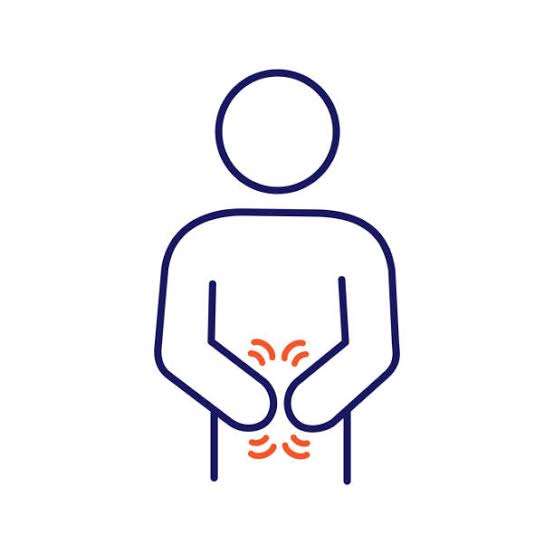
Certain individuals experience recurring acid reflux enabling gastroesophageal reflux disease (GERD). If left unmanaged, it can cause significant discomfort affecting daily activities negatively over time
- Symptoms: Heartburn after meals while lying down can indicate GERD presence contributing towards more serious issues if untreated .
- Diagnosis: Physicians confirm GERD through symptom evaluations combining them along with endoscopic examinations occasionally .
- Treatment Options: Lifestyle adjustments including dietary modifications , weight loss ideally combined alongside medications able to reduce acidity production serve basic foundations necessary confronting GERDs challenges head-on .
Awareness surrounding these alterations ensures manageable conditions whilst ultimately promoting healthier living standards long term!
PREVENTIVE VACCINATIONS

Vaccinations are crucial tools in preventing infectious diseases in communities. They help build immunity and protect both individuals and those around them from outbreaks of illnesses such as influenza or pneumonia.
- The importance of widespread vaccination: It prevents epidemics by achieving herd immunity within the population.
ASTHMA MANAGEMENT

Asthma is a chronic respiratory condition characterized by inflammation of the airways leading to breathing difficulties. Effective management is essential for controlling symptoms and preventing asthma attacks.
- Symptoms: Common symptoms include wheezing, coughing (especially at night), chest tightness, and shortness of breath during exercise or exposure to triggers like allergens.
- Diagnosis: Diagnosis involves assessing medical history along with lung function tests known as spirometry to evaluate airway obstruction
- Treatment Strategies: Medications for asthma include inhalers (both rescue inhalers for immediate relief and long-term control medications) which reduce inflammation in the airways.
ANNUAL WELLNESS EXAMS
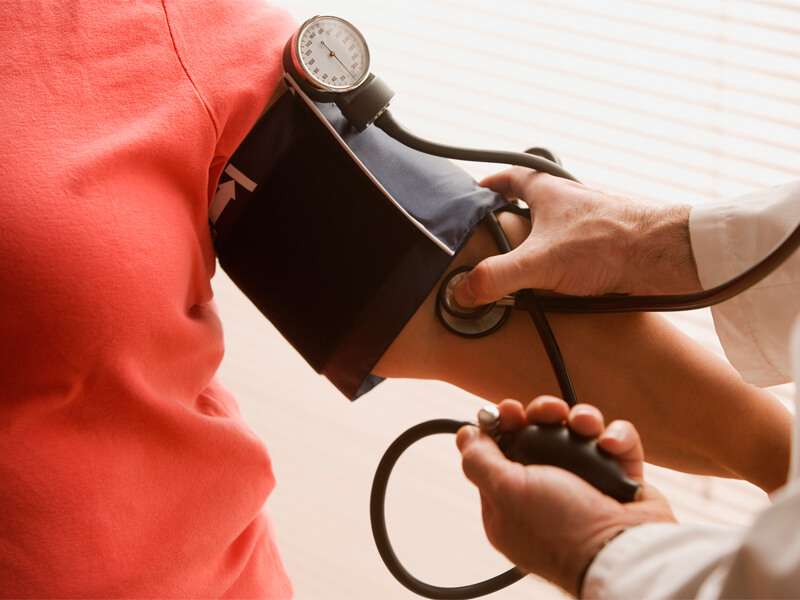
An annual wellness exam serves as a comprehensive check-up designed to assess your overall health status. These visits play a critical role in preventive care and early detection of potential health issues.
- Purpose: To identify risk factors for diseases and develop proactive strategies aimed at maintaining health.
- Components: The exam typically includes a physical assessment, screenings based on age and gender, and discussions about your medical history.
- If Required: Your doctor may recommend various laboratory tests to check cholesterol levels or blood sugar levels depending on individual risk factors.
- Follow-Up Care: Depending on findings from the examination, follow-up tests or referrals to specialists may be necessary for further evaluation.
This proactive approach not only promotes early intervention but also reinforces informed health decisions throughout the year.
TYPE 2 DIABETES SCREENING
Type 2 diabetes is a chronic condition that affects the way your body metabolizes sugar (glucose). Early detection through screening can prevent serious complications including heart disease and nerve damage.
- Risk Factors: Obesity, sedentary lifestyle, family history of diabetes, and age over 45 increase the likelihood of developing this condition.
- Symptoms: Common signs include excessive thirst, frequent urination, fatigue, and blurred vision.
- Diagnosis: Blood tests measuring glucose levels are used for diagnosis; an A1C test may also be performed to assess average blood sugar levels over time.
- Treatment Approach: Initial management typically involves lifestyle changes such as improved diet and exercise; medication may be introduced if lifestyle modification alone isn't sufficient.
A proactive approach in screening helps in managing diabetes effectively and maintaining quality of life.
HYPERTENSION MANAGEMENT
Hypertension, or high blood pressure, is a common condition that can lead to serious health complications if left untreated. It often develops over many years without noticeable symptoms, making regular monitoring essential.
- Symptoms: Many individuals may not experience symptoms, but some might report headaches, shortness of breath, or nosebleeds.
- Diagnosis: Blood pressure is measured using a sphygmomanometer. A reading of 130/80 mmHg or higher is considered high.
- Treatment Options: Lifestyle modifications such as diet changes and increased physical activity are recommended. Medications like diuretics or ACE inhibitors may also be prescribed.
- Management: Regular follow-ups are crucial for monitoring blood pressure levels and adjusting treatment as necessary.
If managed properly, individuals with hypertension can lead healthy lives and significantly reduce their risk of heart disease.