
Dr Giresh Chandra
About Me
Dr Giresh Chandra
MBBS
General Physician
10 Years Experience
Biography
My Clinic
OPD Hours
| Monday | Morning | 10:00 AM | - | 02:00 PM |
| Evening | 06:00 PM | - | 09:00 PM | |
| Tuesday | Morning | 10:00 AM | - | 02:00 PM |
| Evening | 06:00 PM | - | 09:00 PM | |
| Wednesday | Morning | 10:00 AM | - | 02:00 PM |
| Evening | 06:00 PM | - | 09:00 PM | |
| Thursday | Morning | 10:00 AM | - | 02:00 PM |
| Evening | 06:00 PM | - | 09:00 PM | |
| Friday | Morning | 10:00 AM | - | 02:00 PM |
| Evening | 06:00 PM | - | 09:00 PM | |
| Saturday | Morning | 10:00 AM | - | 02:00 PM |
| Evening | 06:00 PM | - | 09:00 PM | |
| Sunday | Morning | 10:00 AM | - | 02:00 PM |
| Evening | 06:00 PM | - | 09:00 PM |
Treatments
Specialised care and treatments offered
SEASONAL ALLERGIC RHINITIS
Affecting many individuals seasonally when pollen counts rise in the environment this allergic reaction leads to uncomfortable nasal symptoms interfering with daily routines during allergy seasons each year specializes predominantly in upper respiratory tract irritation caused by allergens inhaled from outdoors or indoors
- Symptoms & causes: Sneezing fits , runny nose , itchy eyes , nasal congestion , watery eyes appear triggered by exposure especially during spring , fall depending on prevalent pollen types .
- Diagnosis: Usually clinical based upon seasonal occurrence associated typical symptoms ; sometimes allergy testing confirms specific allergens involved .
- Treatment & management: Avoidance measures where feasible , use of antihistamines nasal corticosteroids saline rinses constitute first-line options ; immunotherapy considered if symptoms severe unresponsive .
- What to expect: Symptomatic relief achieved gradually ; understanding triggers aids prevention strategies reducing impact quality life during peak seasons receives emphasis .
Early identification paired supportive therapies substantially improves comfort helping sufferers navigate seasonal challenges comfortably without disrupting normal activities .
ANEMIA EVALUATION AND MANAGEMENT

Anemia is characterized by a decrease in red blood cells or hemoglobin leading to reduced oxygen supply throughout the body. This condition can cause fatigue and weakness impacting everyday activities across all ages.
- Symptoms & causes: Symptoms often include tiredness, paleness skin tone, shortness of breath on exertion. Causes vary ranging from nutritional deficiencies like iron or vitamin B12 deficiency to chronic diseases or bleeding disorders.
- Diagnosis: Blood tests including complete blood count (CBC) determine anemia type by assessing hemoglobin concentration along with other parameters such as red cell indices or reticulocyte count.
- Treatment & management:The correct treatment depends upon underlying cause identified: supplements replace deficiencies while addressing chronic illness helps normalize counts; dietary advice forms integral part too.
- What to expect: Many patients experience significant symptom improvement following targeted therapy though monitoring ensures effectiveness over time .
Early recognition combined with ongoing care plays key role preventing complications associated with prolonged untreated anemia .
OSTEOARTHRITIS CARE

This degenerative joint disease primarily affects middle-aged and older adults causing pain and reduced mobility due to cartilage breakdown. Osteoarthritis commonly impacts knees, hips, hands, and spine joints.
- Symptoms & causes: Patients experience joint stiffness especially after inactivity or at the end of the day along with swelling; risk factors include age advancement, obesity or previous joint injury.
- Diagnosis: Diagnosis relies on patient history supported by physical examination plus imaging techniques such as X-rays showing joint space narrowing or bone changes.
- Treatment & management: Treatment includes weight management to relieve stress on joints; physical therapy strengthens muscles around joints; pain relief medications may be prescribed alongside lifestyle changes.
- What to expect: While osteoarthritis cannot be cured completely yet symptom control maximizes daily function allowing many patients to maintain an active lifestyle with medical support.
The goal remains improving quality of life through customized care plans focused on managing discomfort while preserving joint health as much as possible.
ACUTE RESPIRATORY INFECTIONS
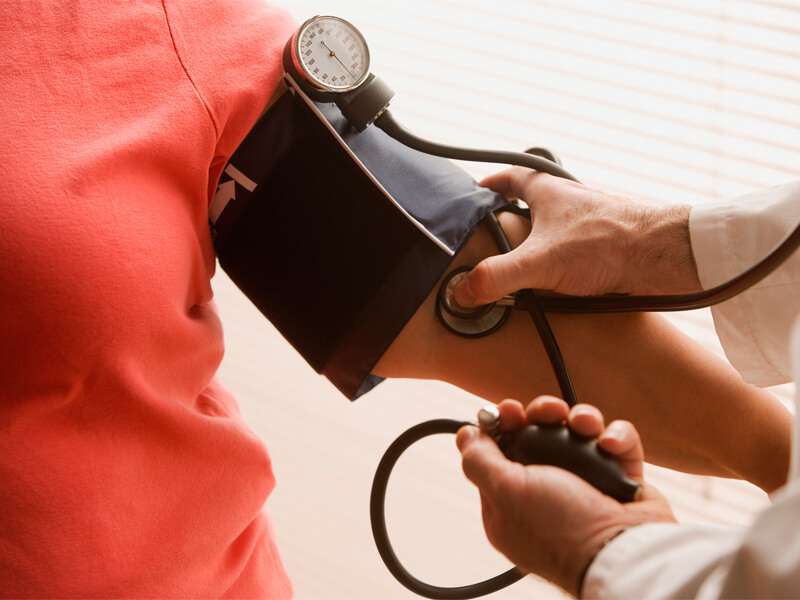
Respiratory infections affect the airways and lungs and can range from mild colds to more serious illnesses like pneumonia. These infections are widespread among all age groups but require timely attention especially in vulnerable individuals.
- Symptoms & causes: Common signs include cough, sore throat, fever, nasal congestion, and difficulty breathing. They are caused mainly by viruses but can also involve bacterial agents.
- Diagnosis: Clinical examination combined with history taking helps identify infection type; sometimes chest X-rays or sputum tests are necessary for severe cases.
- Treatment & management: Management focuses on relieving symptoms through rest, hydration, antipyretics; antibiotics are used only if bacterial infection is confirmed.
- What to expect: Most respiratory infections resolve within one to two weeks with appropriate care; however prompt consultation helps prevent complications especially in children and elderly patients.
A proactive approach including vaccination where available reduces incidence and severity of these common infections significantly.
TYPE 2 DIABETES MELLITUS
This chronic metabolic disorder affects how your body processes blood sugar (glucose), leading to elevated levels that can harm organs over time. Type 2 diabetes commonly emerges in adults but is increasingly seen in younger populations.
- Symptoms & causes: Symptoms include frequent urination, increased thirst, fatigue, blurred vision, and slow wound healing. Risk factors involve obesity, sedentary lifestyle, family history, and age.
- Diagnosis: Blood tests like fasting glucose and HbA1c levels help confirm diagnosis by measuring sugar control over time.
- Treatment & management: Managing diabetes usually involves dietary changes focusing on balanced meals with low glycemic index foods, regular exercise, oral medications or insulin therapy as needed.
- What to expect: With proper adherence to treatment protocols and monitoring complications regularly through healthcare providers, many people live healthy lives despite diabetes.
Lifestyle adaptation combined with medical guidance plays a vital role in controlling this lifelong condition effectively.
HYPERTENSION MANAGEMENT
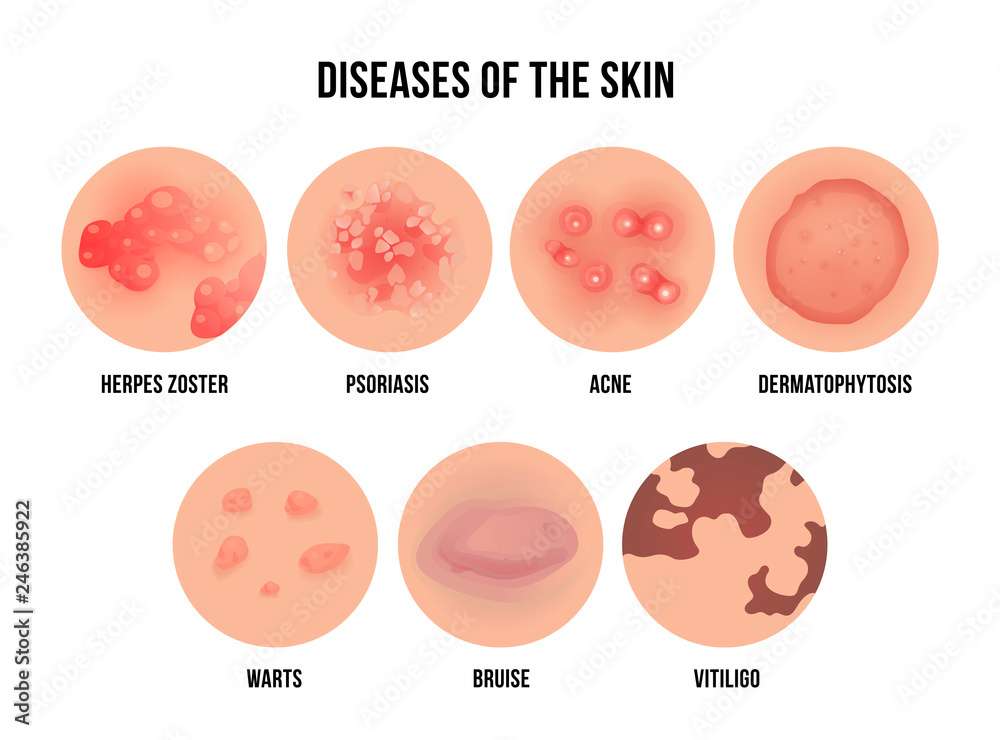
High blood pressure, or hypertension, is a common condition where the force of blood against artery walls is consistently too high. It often develops gradually over years and may not cause noticeable symptoms initially.
- Symptoms & causes: Often called the 'silent killer,' hypertension typically shows no symptoms but can lead to headaches or dizziness in severe cases. Causes include genetic factors, obesity, poor diet, stress, and lack of exercise.
- Diagnosis: Blood pressure readings taken with a sphygmomanometer confirm hypertension when consistently above 140/90 mmHg during multiple visits.
- Treatment & management: Lifestyle modifications such as reducing salt intake, regular physical activity, weight control, and sometimes antihypertensive medications help manage this condition effectively.
- What to expect: Regular monitoring and adherence to treatment plans reduce risks of heart disease and stroke. Controlled blood pressure improves long-term health outcomes substantially.
Understanding that hypertension requires ongoing attention encourages patients to take proactive steps in their care for improved quality of life.