
Dr GK Sharma
About Me
Dr GK Sharma
MBBS
Podiatrist
10 Years Experience
Biography
My Clinic
OPD Hours
| Monday | Morning | 10:00 AM | - | 02:00 PM |
| Evening | 06:00 PM | - | 09:00 PM | |
| Tuesday | Morning | 10:00 AM | - | 02:00 PM |
| Evening | 06:00 PM | - | 09:00 PM | |
| Wednesday | Morning | 10:00 AM | - | 02:00 PM |
| Evening | 06:00 PM | - | 09:00 PM | |
| Thursday | Morning | 10:00 AM | - | 02:00 PM |
| Evening | 06:00 PM | - | 09:00 PM | |
| Friday | Morning | 10:00 AM | - | 02:00 PM |
| Evening | 06:00 PM | - | 09:00 PM | |
| Saturday | Morning | 10:00 AM | - | 02:00 PM |
| Evening | 06:00 PM | - | 09:00 PM | |
| Sunday | Morning | 10:00 AM | - | 02:00 PM |
| Evening | 06:00 PM | - | 09:00 PM |
Treatments
Specialised care and treatments offered
SCREENING FOR PERIPHERAL ARTERY DISEASE (PAD) IN FEET
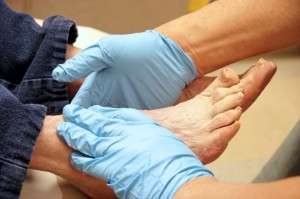
The circulatory health of your lower limbs is vital for tissue survival. Screening for PAD detects narrowed arteries that limit blood flow causing potential complications especially in high-risk individuals.
- Symptoms and causes: May include leg cramps during walking (claudication), cold feet or slow-healing sores due to arterial blockages from atherosclerosis.
- Diagnosis: Non-invasive tests like ankle-brachial index (ABI) measurements provide valuable information about blood flow adequacy.
- Treatment options: Lifestyle changes such as smoking cessation plus medications improving circulation form primary strategies; advanced cases might need surgical evaluation.
- What to expect: Early detection allows management before serious tissue damage occurs maintaining limb viability.
Routine vascular screening serves as an important preventive measure supporting effective podiatric care especially among those with risk factors like diabetes or smoking history.
CORN AND CALLUS REMOVAL
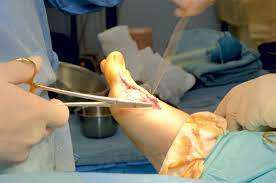
Corns and calluses result from repeated pressure or friction on specific areas of the feet causing thickened skin. Addressing these safely improves comfort significantly.
- Symptoms and causes:Painful hardened bumps typically develop over bony prominences due to ill-fitting shoes or abnormal gait patterns.
- Diagnosis: Physical examination identifies corns (with central cores) versus widespread calluses; sometimes pressure mapping adds insight.
- Treatment options: Includes careful mechanical debridement by a professional followed by footwear advice & protective padding.
- What to expect: Removal relieves localized pain promptly but prevention through proper shoe fit remains essential.
Maintaining regular foot inspections helps avoid recurrence while enhancing mobility comfort throughout daily activities.
PLANTAR FASCIITIS MANAGEMENT
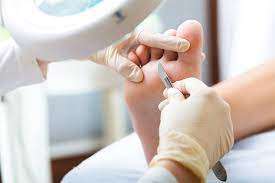
This condition involves inflammation of the plantar fascia ligament on the sole of the foot causing heel pain. It typically affects active adults but can occur at any age.
- Symptoms and causes: Characterized by sharp heel pain especially after rest periods; overuse or poor footwear are often contributing factors.
- Diagnosis: Clinical evaluation along with imaging like ultrasound helps confirm plantar fasciitis versus other heel issues.
- Treatment options: Rest, stretching exercises, orthotic inserts, physical therapy, NSAIDs for pain relief are commonly recommended approaches.
- What to expect:The condition often improves gradually with consistent management; some cases may require advanced interventions if persistent.
A comprehensive treatment plan focused on relieving stress on the ligament supports long-term recovery and prevents chronic discomfort.
FUNGAL NAIL INFECTION TREATMENT
Nail fungal infections are common conditions affecting toenails that can lead to discoloration, thickening, and brittleness. Proper treatment is essential for restoring nail health.
- Symptoms and causes: Often caused by dermatophyte fungi entering through small nail traumas; symptoms include yellowing nails and crumbling edges.
- Diagnosis: Visual examination combined with laboratory testing confirms fungal involvement.
- Treatment options: May involve topical antifungals, oral medications, laser therapy, or a combination depending on severity.
- What to expect: Treatment duration varies; adherence improves chances of successful eradication without recurrence.
A timely diagnosis paired with tailored therapies aids in controlling infection while protecting nail appearance and function over time.
BIOMECHANICAL ASSESSMENT AND ORTHOTIC THERAPY
The alignment and function of your feet play a significant role in overall mobility. Biomechanical assessments help identify any abnormalities that might contribute to pain or injury.
- Symptoms and causes: Issues such as flat feet, overpronation, or high arches can cause discomfort or gait abnormalities.
- Diagnosis: Gait analysis and pressure mapping are commonly used tools during assessment sessions.
- Treatment options: Custom orthotic devices designed based on individual needs help correct structural imbalances.
- What to expect: Orthotics improve comfort during walking or running; patient education ensures proper use for best results.
This approach supports optimal foot mechanics, thereby reducing pain and enhancing daily function through personalized care solutions.
DIABETIC FOOT CARE AND ULCER PREVENTION
Managing foot health is crucial for individuals with diabetes to prevent severe complications. Proper care can significantly decrease the risk of ulcers and infections, which might lead to more serious outcomes if left untreated.
- Symptoms and causes: Diabetes can cause nerve damage and poor circulation in the feet, leading to numbness, wounds, or ulcers that heal slowly.
- Diagnosis: Regular foot examinations assess skin condition, circulation, and sensation to detect early signs of problems.
- Treatment options: Includes daily foot hygiene, specialized footwear, wound care for ulcers, and glycemic control to promote healing.
- What to expect: Consistent monitoring helps prevent infections; early intervention is key to avoiding hospitalization or amputation.
By adopting preventive strategies and vigilant foot care routines, people with diabetes can maintain foot health and reduce the chance of complications.