
Dr GL Sharma
About Me
Dr GL Sharma
MD
Internal Medicine
10 Years Experience
Biography
My Clinic
OPD Hours
| Monday | Morning | 10:00 AM | - | 02:00 PM |
| Evening | 06:00 PM | - | 09:00 PM | |
| Tuesday | Morning | 10:00 AM | - | 02:00 PM |
| Evening | 06:00 PM | - | 09:00 PM | |
| Wednesday | Morning | 10:00 AM | - | 02:00 PM |
| Evening | 06:00 PM | - | 09:00 PM | |
| Thursday | Morning | 10:00 AM | - | 02:00 PM |
| Evening | 06:00 PM | - | 09:00 PM | |
| Friday | Morning | 10:00 AM | - | 02:00 PM |
| Evening | 06:00 PM | - | 09:00 PM | |
| Saturday | Morning | 10:00 AM | - | 02:00 PM |
| Evening | 06:00 PM | - | 09:00 PM | |
| Sunday | Morning | 10:00 AM | - | 02:00 PM |
| Evening | 06:00 PM | - | 09:00 PM |
Treatments
Specialised care and treatments offered
GASTROESOPHAGEAL REFLUX DISEASE (GERD)
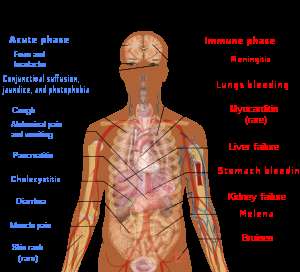
This digestive disorder involves stomach acid frequently flowing back into the esophagus causing irritation. It can impact comfort significantly if persistent without treatment.
- Symptoms & Causes: Heartburn , regurgitation , chest discomfort , often triggered by diet , obesity , smoking .
- How Diagnosed: Primarily based on clinical history ; endoscopy may be recommended for severe cases .
- Treatment Methods: Lifestyle modifications including meal timing , weight control ; antacids , proton pump inhibitors reduce acid secretion .
- Prognosis: Most patients respond well ; untreated GERD may lead to complications like esophagitis .
Early recognition and consistent management typically restore quality of life by reducing symptoms .
HYPOTHYROIDISM MONITORING
This condition occurs when the thyroid gland underproduces hormones essential for metabolism regulation. It commonly presents subtly but impacts overall wellbeing if untreated.
- Causation & Indications: Autoimmune diseases like Hashimoto's thyroiditis commonly cause hypothyroidism; patients may notice fatigue, weight gain, cold intolerance, constipation.
- The Diagnostic Approach: Blood tests measuring TSH and free T4 hormones confirm diagnosis accurately.
- Treatment Options Available: Daily thyroid hormone replacement therapy (levothyroxine) corrects hormone deficiency effectively when monitored regularly.
- Expected Course: With appropriate medication adjustment based on periodic lab tests , most people lead symptom-free lives .
Maintaining routine checkups optimizes dosing ensuring treatment success .
ANEMIA EVALUATION AND TREATMENT
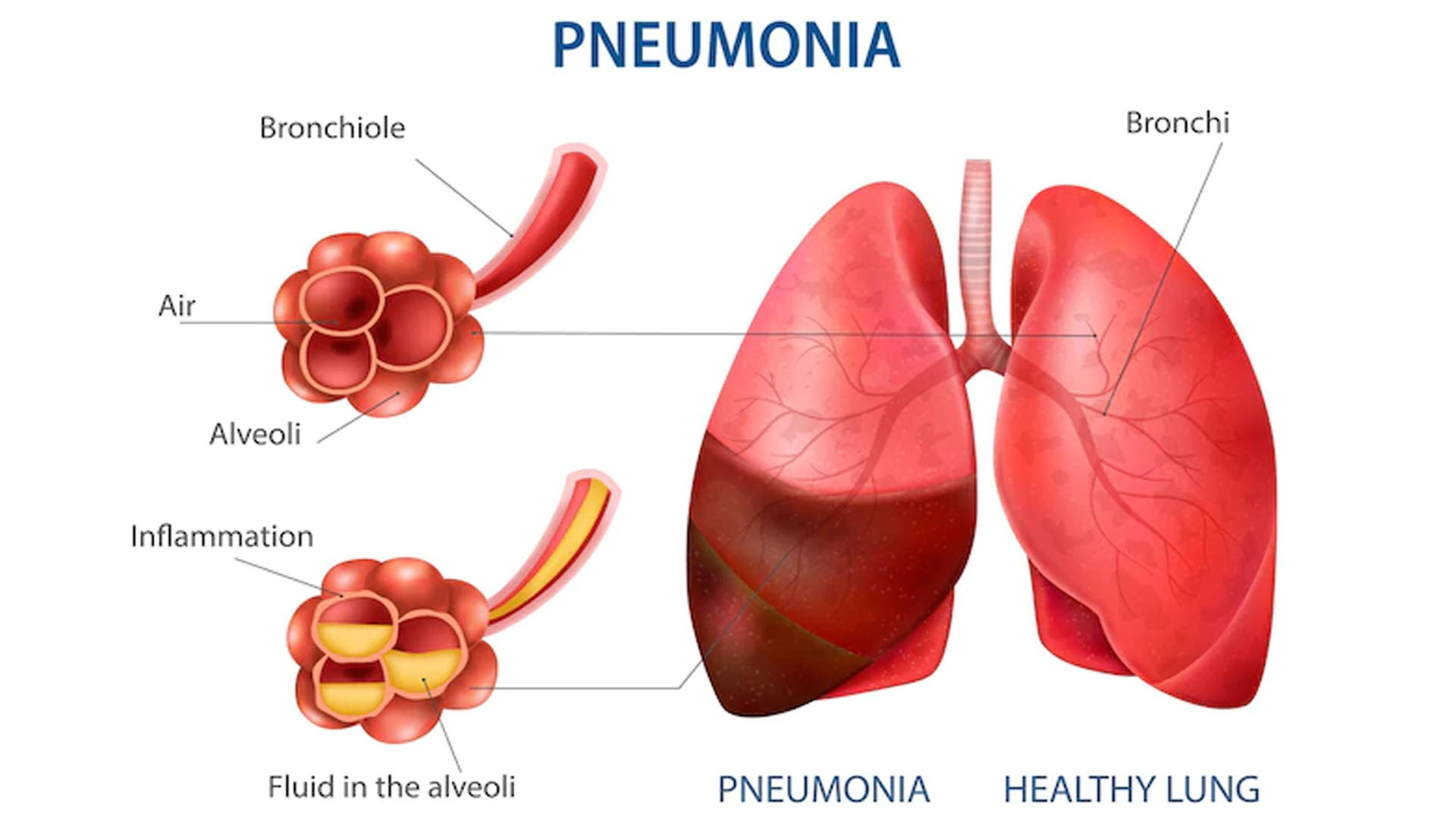
Anemia involves a decrease in red blood cells or hemoglobin leading to insufficient oxygen delivery throughout the body. Identifying its cause is crucial for appropriate therapy.
- Causative Factors & Symptoms: Common causes include iron deficiency, vitamin B12 lack or chronic disease; manifestations often include fatigue, pallor, dizziness, and shortness of breath.
- Diagnostic Process: Complete blood count (CBC) along with iron studies or vitamin levels guides diagnosis type.
- Treatment Approaches: Addressing underlying causes via supplements or managing chronic illnesses forms treatment; severe cases might require transfusions.
- Your Outlook: Correct diagnosis ensures targeted management leading to symptom resolution in most cases.
Anemia can affect all age groups but timely intervention often restores energy levels effectively.
CHRONIC OBSTRUCTIVE PULMONARY DISEASE (COPD)
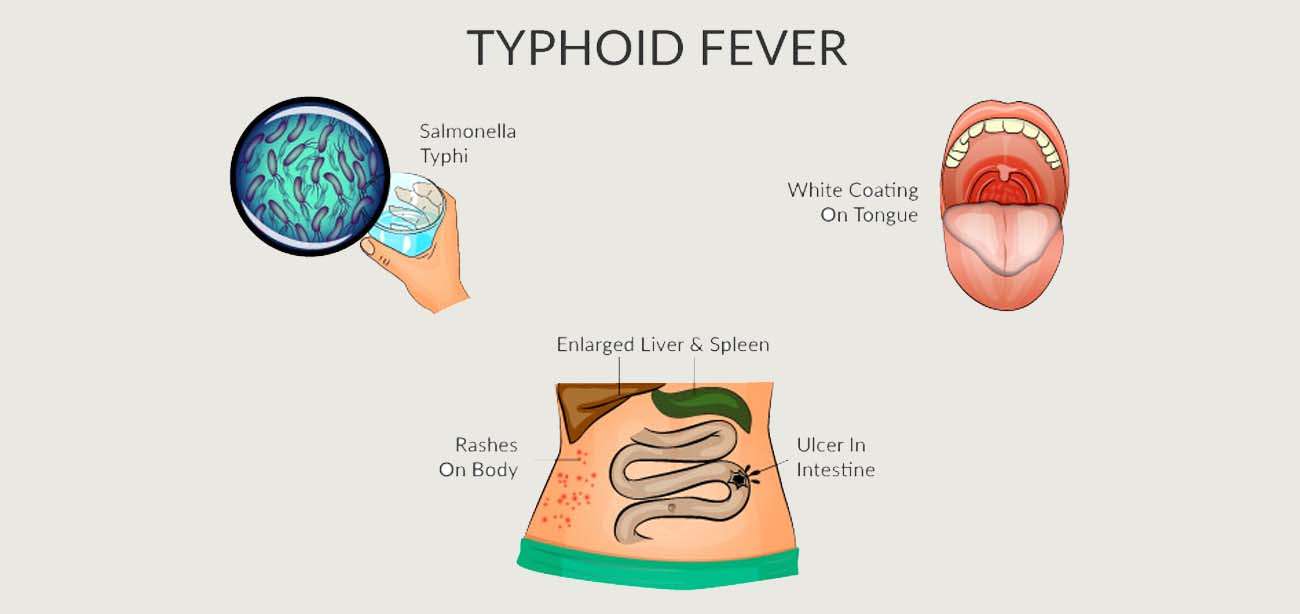
COPD is a progressive lung disease that makes breathing difficult due to airflow blockage. It primarily results from long-term exposure to irritating gases or particulate matter.
- Main Causes & Symptoms: Smoking is the leading cause; patients experience chronic cough, sputum production, and shortness of breath especially on exertion.
- Diagnosing COPD: Spirometry tests assess lung function decline typical in COPD patients.
- Treatment Strategies: Smoking cessation is vital; bronchodilators and steroids help manage symptoms; pulmonary rehabilitation enhances quality of life.
- The Prognosis: While irreversible damage occurs over time, adherence to treatment can slow progression and reduce flare-ups.
A supportive approach focusing on symptom relief can significantly improve daily functioning in COPD sufferers.
TYPE 2 DIABETES MELLITUS
Type 2 diabetes is a chronic metabolic disorder characterized by high blood sugar due to insulin resistance. It affects multiple organs if uncontrolled.
- Causes & Symptoms: Risk factors include obesity, sedentary lifestyle, and family history; symptoms may involve increased thirst, frequent urination, and fatigue.
- Diagnosis: Blood tests like fasting glucose and HbA1c help determine diabetes status and control level.
- Treatment & Management: Diet modification, regular physical activity, oral hypoglycemic agents, or insulin therapy as necessary are critical for control.
- What To Expect: Proper management reduces risk of complications such as neuropathy, kidney disease, and cardiovascular issues.
Lifelong monitoring is essential but with disciplined care many live normal lives with this condition.
HYPERTENSION MANAGEMENT
High blood pressure, or hypertension, is a common condition where the force of the blood against artery walls is consistently too high. If left untreated, it can lead to serious health complications.
- Symptoms and Causes: Often called the "silent killer," hypertension may show no symptoms; risk factors include genetics, unhealthy diet, obesity, and stress.
- Diagnosis: Regular blood pressure monitoring using a cuff device helps confirm persistent elevated readings above 130/80 mmHg.
- Treatment Options: Lifestyle changes such as salt reduction and exercise form the cornerstone; medications like ACE inhibitors or beta-blockers may be prescribed as needed.
- Management Expectations: Blood pressure control requires ongoing follow-up and adherence to therapy to prevent heart disease and stroke.
With proper care and awareness, hypertension can be effectively managed to maintain a healthy life.