
Dr Gopal Sharma
About Me
Dr Gopal Sharma
Cardiologist
Biography
My Clinic
OPD Hours
| Tuesday | Morning | 10:00 AM | - | 02:00 PM |
| Evening | 06:00 PM | - | 09:00 PM | |
| Wednesday | Morning | 10:00 AM | - | 02:00 PM |
| Evening | 06:00 PM | - | 09:00 PM | |
| Thursday | Morning | 10:00 AM | - | 02:00 PM |
| Evening | 06:00 PM | - | 09:00 PM | |
| Friday | Morning | 10:00 AM | - | 02:00 PM |
| Evening | 06:00 PM | - | 09:00 PM | |
| Saturday | Morning | 10:00 AM | - | 02:00 PM |
| Evening | 06:00 PM | - | 09:00 PM | |
| Sunday | Morning | 10:00 AM | - | 02:00 PM |
| Evening | 06:00 PM | - | 09:00 PM | |
| Thursday | Morning | 10:00 AM | - | 02:00 PM |
| Evening | 06:00 PM | - | 09:00 PM |
Treatments
Specialised care and treatments offered
CARDIAC RESYNCHRONIZATION THERAPY

This therapy aims to improve heart efficiency in patients suffering from specific types of heart failure by coordinating contractions among the ventricles. It's particularly beneficial for those with electrical conduction abnormalities within their hearts.
The goal is enhanced cardiac performance leading toward improved functionality and quality of life following intervention!
TRANSCATHETER AORTIC VALVE REPLACEMENT (TAVR)
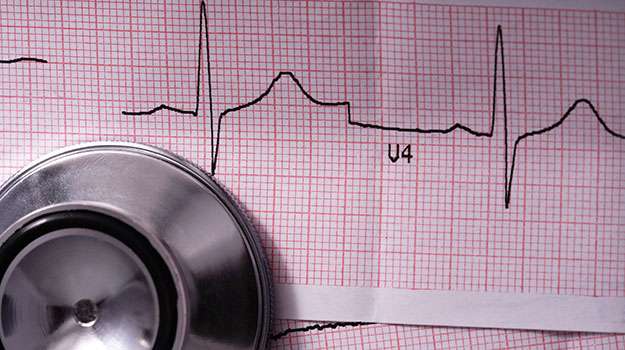
TAVR is a groundbreaking procedure utilized for patients with severe aortic stenosis who are considered high-risk for traditional surgery. It replaces diseased valves through catheterization rather than open-heart surgery.
This innovative method allows for quicker recovery times while providing significant improvements in patients’ overall quality of life!
ELECTROPHYSIOLOGY STUDY
An electrophysiology study (EPS) evaluates electrical signals in the heart that control heartbeat rhythm. It helps diagnose arrhythmias effectively and guides treatment decisions accordingly.
- Indications: Patients may be referred for EPS due to symptoms like palpitations, fainting spells, or irregular heartbeats that are difficult to diagnose otherwise.
- Diagnostic procedures: The study involves inserting catheters into the heart via blood vessels; these allow detailed mapping of electrical activity within the chambers.
This advanced surveillance enables tailored management plans aimed at restoring normal rhythm and preventing potential complications associated with arrhythmias!
AORTIC ANEURYSM REPAIR
Aortic aneurysm repair addresses dangerous bulges in the aorta that threaten rupture. Early detection and intervention are crucial for favorable outcomes in this life-threatening condition.
- Symptoms: Many present with back pain or abdominal discomfort; however, some may remain asymptomatic until serious complications occur.
- Diagnosis: Imaging methods such as ultrasound or CT scans play a pivotal role in identifying aneurysms' size and location.
- Treatment approaches: Surgical options include open surgery for larger aneurysms or endovascular repair using less invasive techniques with stent-grafts.
This timely intervention can save lives by preventing catastrophic rupture of the aorta!
HEART VALVE REPAIR
Heart valve repair is essential for restoring proper function in cases of leaky or narrowed heart valves. This condition can lead to serious complications if left untreated.
- Causes: Valvular heart disease may result from infections, age-related degeneration, or congenital defects.
- Diagnosis: A thorough evaluation typically involves echocardiograms and other imaging techniques to assess valve function.
- Treatment options: The repair process might include suturing the valve leaflets or utilizing ring annuloplasty techniques. In some cases, minimally invasive approaches are available.
- Recovery: Patients should expect some hospital stay with gradually increased activity levels recommended post-surgery for optimal recovery.
This procedure significantly enhances quality of life by mitigating symptoms associated with valvular dysfunction.
CORONARY ANGIOPLASTY
Coronary angioplasty is a minimally invasive procedure aimed at restoring proper blood flow to the heart. This technique is typically employed to treat narrowed or blocked coronary arteries due to plaque buildup.
- Symptoms: Chest pain, shortness of breath, and fatigue can indicate reduced blood flow to the heart.
- Diagnosis: Evaluation often includes an electrocardiogram (ECG), stress tests, and imaging studies such as coronary angiography.
- Treatment: During angioplasty, a thin tube called a catheter is inserted through the blood vessels to reach the affected artery, where a balloon is inflated to open it, often followed by placing a stent.
- Management: Post-procedure, patients might require lifestyle changes and medications to prevent further blockages.
- Expectations: Most patients experience significant relief from symptoms after the procedure and can return to normal activities within a few days.
This effective intervention provides immediate results while improving long-term outcomes for heart health.
FAQs
How does smoking impact my cardiovascular system?
that contribute significantly towards arterial damage,
leading ultimately towards increased risks
of chronic conditions such as coronary artery disease!
What role does exercise play in maintaining cardiovascular health?
improves circulation,
and plays an instrumental role in weight management—critical components
of maintaining good cardiovascular health!
Can stress affect my heart health?
increased cholesterol levels,
and ultimately contributes towards cardiovascular diseases.
Finding effective stress management strategies becomes essential!
What are common signs that indicate I need to see a cardiologist?
or any unexplained shortness of breath—these warrant timely consultation with a cardiologist in Mumbai!