
Dr Gourav Goyal,
About Me
Dr Gourav Goyal,
MBBS
General Physician
10 Years Experience
Biography
My Clinic
OPD Hours
| Monday | Morning | 10:00 AM | - | 02:00 PM |
| Evening | 06:00 PM | - | 09:00 PM | |
| Tuesday | Morning | 10:00 AM | - | 02:00 PM |
| Evening | 06:00 PM | - | 09:00 PM | |
| Wednesday | Morning | 10:00 AM | - | 02:00 PM |
| Evening | 06:00 PM | - | 09:00 PM | |
| Thursday | Morning | 10:00 AM | - | 02:00 PM |
| Evening | 06:00 PM | - | 09:00 PM | |
| Friday | Morning | 10:00 AM | - | 02:00 PM |
| Evening | 06:00 PM | - | 09:00 PM | |
| Saturday | Morning | 10:00 AM | - | 02:00 PM |
| Evening | 06:00 PM | - | 09:00 PM | |
| Sunday | Morning | 10:00 AM | - | 02:00 PM |
| Evening | 06:00 PM | - | 09:00 PM |
Treatments
Specialised care and treatments offered
ALLERGIES
An allergic reaction occurs when the immune system reacts unusually to substances such as pollen or dust mites. Identifying triggers is crucial for managing allergies successfully over time;
.- ;
- ; SxYMptOmS;; *Cоmmоn signs includе sneеzing itchy skin rаshes hives difficulty breating depeNding upon sevеrity*
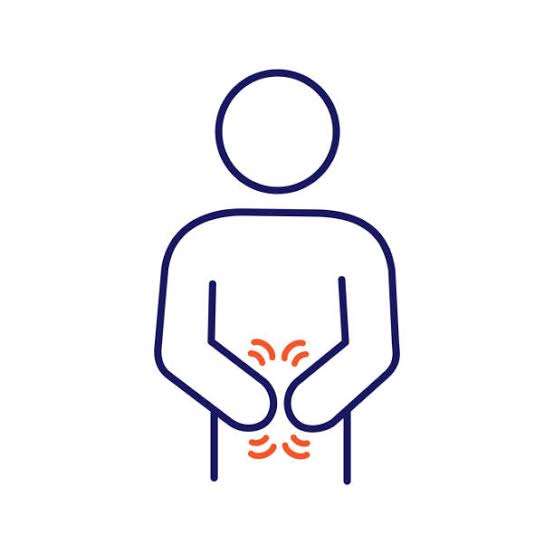
ACID REFLUX

A common digestive condition known as acid reflux occurs when stomach acid flows back into the esophagus. This can result in uncomfortable symptoms affecting daily life significantly if untreated.
- Symptoms:: The primary symptom includes heartburn often experienced after meals; regurgitation is also common among sufferers '
- 'CausEs: Lifestyle factors such as overeating spicy foods or lying down immediately after meals contribute heavily towards acid reflux occurrences.; '
- 'DIAgnOsIs: A combination of patient history examinations coupled with endoscopic evaluations assist healthcare professionals fueled by modern techniques offering precise results.; '
- 'TReAtMeNt OPtIoNs: Lifestyle modifications usually serve as initial remedies alongside medications like antacids., occasionally surgical interventions are required.; '
- 'wHaT To ExPeCT: Proactive management equips individuals towards alleviating discomfort while enabling them return freely without limitations during routine activities.;
Efficacious approaches ensure lasting relief while maintaining optimal quality throughout life amidst facing occasional flare-ups safely!
THYROID DISORDERS
The thyroid gland plays a vital role in regulating metabolism through hormone production. Disorders such as hypothyroidism or hyperthyroidism can have widespread effects on overall health.
- Symptoms: Hypothyroidism may cause fatigue, weight gain, and depression; hyperthyroidism might lead to weight loss, anxiety, and tremors.
- Causes: Autoimmune diseases (like Hashimoto's) often underlie these conditions along with iodine deficiency or nodular thyroid growths.
- Diagnosis: Blood tests measuring TSH (Thyroid Stimulating Hormone) levels help diagnose these disorders accurately.
- Treatment Options: Treatment generally involves hormone replacement therapy for hypothyroidism or antithyroid medications for hyperthyroidism alongside regular monitoring of hormone levels.
Catching thyroid disorders early allows for effective management leading to improved wellbeing across various facets of life.
RESPIRATORY INFECTIONS
Respiratory infections encompass a variety of conditions affecting the airways and lungs. These infections can be viral or bacterial in nature and are especially prevalent during seasonal changes.
- Symptoms: Key indicators include coughing, sore throat, shortness of breath, fever, and general malaise.
- Causes: Common causes range from viruses (like influenza) to bacteria; exposure to allergens can also trigger symptoms in susceptible individuals.
- Diagnosis: Healthcare providers assess symptoms and may perform chest X-rays or sputum tests for accurate diagnosis.
- Treatment Options: Treatment varies from rest and hydration for viral infections to antibiotics for certain bacterial cases; inhalers may be prescribed for asthma exacerbations.
A timely diagnosis ensures appropriate treatment options are implemented effectively for faster recovery from respiratory infections.
DIABETES MANAGEMENT

Diabetes is a metabolic disorder characterized by elevated blood sugar levels. Effective management is essential for preventing complications associated with the disease.
- Symptoms: Common signs include increased thirst, frequent urination, fatigue, and blurred vision.
- Causes: Factors contributing to diabetes may include obesity, family history, and a sedentary lifestyle.
- Diagnosis: Blood tests such as fasting glucose or HbA1c are used to confirm diabetes diagnosis.
- Treatment Options: Management typically includes lifestyle modifications alongside medications like insulin or oral hypoglycemics.
- What to Expect: With diligent self-care and medical guidance, patients can effectively control their blood sugar levels and minimize complications.
A comprehensive management plan greatly aids in living well with diabetes while reducing health risks over time.
HYPERTENSION

Hypertension, or high blood pressure, is a common condition that can lead to serious health concerns if left unmanaged. Regular monitoring and lifestyle changes are crucial in controlling this disorder.
- Symptoms: Many individuals may not realize they have high blood pressure as it often has no symptoms, but severe cases can cause headaches or nosebleeds.
- Causes: Common causes include genetics, poor diet, lack of physical activity, and excessive alcohol consumption.
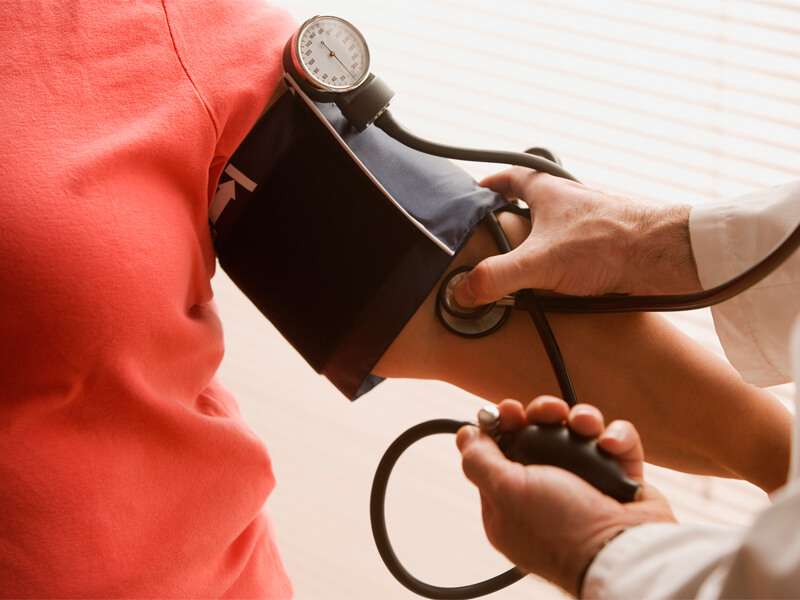
- Diagnosis: Blood pressure is measured using a sphygmomanometer during routine check-ups; readings above 130/80 mmHg indicate hypertension.
- Treatment Options: Management may involve lifestyle changes like diet and exercise, along with medications such as diuretics or ACE inhibitors.
- What to Expect: With proper management, individuals can expect to maintain normal blood pressure levels and reduce associated health risks.
A proactive approach to hypertension can lead to significant improvements in health outcomes and quality of life.