
Dr Gourav Goyal,
About Me
Dr Gourav Goyal,
MD
Neurologist
10 Years Experience
Biography
My Clinic
OPD Hours
| Monday | Morning | 10:00 AM | - | 02:00 PM |
| Evening | 06:00 PM | - | 09:00 PM | |
| Tuesday | Morning | 10:00 AM | - | 02:00 PM |
| Evening | 06:00 PM | - | 09:00 PM | |
| Wednesday | Morning | 10:00 AM | - | 02:00 PM |
| Evening | 06:00 PM | - | 09:00 PM | |
| Thursday | Morning | 10:00 AM | - | 02:00 PM |
| Evening | 06:00 PM | - | 09:00 PM | |
| Friday | Morning | 10:00 AM | - | 02:00 PM |
| Evening | 06:00 PM | - | 09:00 PM | |
| Saturday | Morning | 10:00 AM | - | 02:00 PM |
| Evening | 06:00 PM | - | 09:00 PM | |
| Sunday | Morning | 10:00 AM | - | 02:00 PM |
| Evening | 06:00 PM | - | 09:00 PM |
Treatments
Specialised care and treatments offered
MULTIPLE SCLEROSIS MANAGEMENT

Multiple sclerosis (MS) is a chronic autoimmune disease that affects the central nervous system leading to various neurological symptoms including physical disabilities over time due to nerve damage caused by immune system misactivity
.- Symptoms: Symptoms vary widely but may encompass fatigue, numbness/tingling sensations along limbs alongside difficulty walking depending upon progression rates throughout illness stages respectively
- Diagnosis: Conducted through MRI scans revealing lesions alongside lab tests confirming abnormalities within cerebrospinal fluid indicative towards MS conditions
- Treatment Approaches: ::span /> != .|[< -section!||@}{index:
CLUSTER HEADACHE THERAPY
Cluster headaches are intensely painful episodes that occur in cyclical patterns or clusters. Unlike other headaches, they are characterized by severe unilateral pain around the eye region which can last from 15 minutes up to three hours per attack
.- Symptoms: Patients typically endure excruciating pain accompanied by autonomic symptoms such as tearing or nasal congestion on the affected side alongside agitation.
- Diagnosis: Diagnosis primarily involves patient history evaluation along with distinguishing characteristics between cluster headaches and other headache types during attacks.
- Treatment Options: Treatment includes fast-acting medications like triptans alongside preventative therapies that target reducing burden during cluster cycles.
- Management Strategies: Identifying triggers including alcohol consumption during clusters enhances self-management capabilities for individuals suffering from this condition.
An accurate diagnosis ensures patients receive appropriate therapy tailored towards alleviating their distress caused by cluster headaches effectively over time.
PERIPHERAL NEUROPATHY CARE
Coping with peripheral neuropathy involves understanding its effects on nerves outside the brain and spinal cord. This condition often leads to weakness, numbness, and pain predominantly in the hands and feet due to nerve damage.
- Symptoms: Common symptoms include tingling sensations, sharp pains, or loss of coordination in affected areas.
- Causes: Diabetes is a leading cause; however, infections or hereditary disorders may also contribute.
- Diagnosis: A thorough examination involving blood tests along with nerve conduction studies helps identify underlying causes.
- Treatment: Management relies heavily on addressing any underlying conditions coupled with medication aimed at relieving nerve pain.
Early detection is crucial as timely intervention improves patient outcomes significantly when managing peripheral neuropathy.
TENSION-TYPE HEADACHE RELIEF
Tension-type headaches are one of the most common forms of headache disorders. They typically present as a pressing or tightening sensation around the head along with mild to moderate pain that doesn’t worsen with physical activity.
- Symptoms: Patients may experience dull ache on both sides of the head along with muscle tightness in the neck or shoulders.
- Diagnosis: Diagnosis usually involves evaluating symptom patterns and ruling out other types of headaches through clinical assessment.
- Treatment Options: Over-the-counter analgesics such as ibuprofen or acetaminophen are often recommended; relaxation techniques can also be beneficial.
- Lifestyle Changes: Incorporating regular exercise and adequate hydration can help mitigate the frequency of these headaches over time.
A comprehensive approach focusing on both medical treatment and lifestyle adjustments provides optimal management for tension-type headaches.
EPILEPSY TREATMENT
Epilepsy is a chronic disorder characterized by recurrent seizures. These seizures occur due to abnormal electrical activity in the brain and can manifest in several ways depending on the area affected.
- Causes: It may arise from genetic factors, brain injuries, or developmental disorders.
- Diagnosis: Epilepsy is diagnosed through medical history reviews, neurological exams, and EEG tests to monitor brain wave patterns.
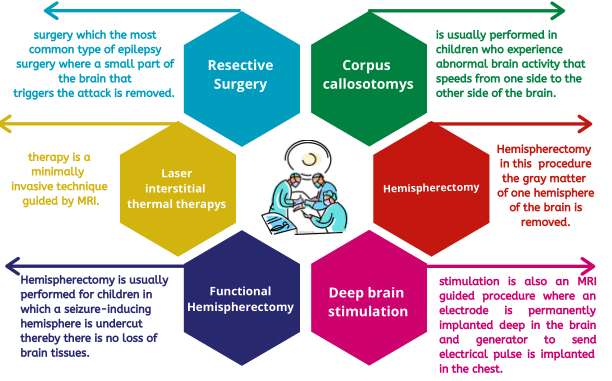
- Treatment Options: Medications are commonly prescribed to control seizures; however, surgical options are available for those who do not respond well to drugs.
- Managing Seizures: Lifestyle modifications and education on seizure safety can significantly improve quality of life for patients with epilepsy.
An effective treatment plan enables many individuals with epilepsy to lead active lives with minimal disruption from seizures.
MIGRAINE MANAGEMENT
Migraine is a neurological condition characterized by recurrent headaches that can cause significant disruption to daily life. These headaches are typically moderate to severe and can be accompanied by additional symptoms such as nausea, vomiting, and sensitivity to light or sound.
- Symptoms: Common symptoms include throbbing pain on one side of the head, pulsating sensation, and visual disturbances.
- Diagnosis: Diagnosis is often made based on a patient’s history and symptom description; imaging tests may be used to rule out other conditions.
- Treatment: Treatment options include lifestyle changes, medications for pain relief, and preventive treatments like Botox injections.
- Management: Keeping a headache diary can help identify triggers, while stress management techniques may aid in reducing frequency.
A thorough understanding of migraine can empower patients to seek appropriate care and manage their condition effectively.