
Dr Govind Sahay
About Me
Dr Govind Sahay
MD
Dermatologist
10 Years Experience
Biography
My Clinic
OPD Hours
| Monday | Morning | 10:00 AM | - | 02:00 PM |
| Evening | 06:00 PM | - | 09:00 PM | |
| Tuesday | Morning | 10:00 AM | - | 02:00 PM |
| Evening | 06:00 PM | - | 09:00 PM | |
| Wednesday | Morning | 10:00 AM | - | 02:00 PM |
| Evening | 06:00 PM | - | 09:00 PM | |
| Thursday | Morning | 10:00 AM | - | 02:00 PM |
| Evening | 06:00 PM | - | 09:00 PM | |
| Friday | Morning | 10:00 AM | - | 02:00 PM |
| Evening | 06:00 PM | - | 09:00 PM | |
| Saturday | Morning | 10:00 AM | - | 02:00 PM |
| Evening | 06:00 PM | - | 09:00 PM | |
| Sunday | Morning | 10:00 AM | - | 02:00 PM |
| Evening | 06:00 PM | - | 09:00 PM |
Treatments
Specialised care and treatments offered
BOTULINUM TOXIN INJECTIONS
This cosmetic dermatology procedure involves injecting botulinum toxin into specific muscles to temporarily reduce dynamic wrinkles caused by muscle contractions such as frown lines or crow's feet. It also has therapeutic applications for excessive sweating (hyperhidrosis).
TOPICAL TREATMENT FOR ECZEMA
Eczema is a chronic inflammatory skin disorder characterized by itching, redness, dryness, and scaling. Treatment with topical medications helps control symptoms and prevent flare-ups effectively at home combined with medical oversight.
- Causes & triggers : Genetic predisposition plus environmental factors like allergens or irritants can destabilize the skin barrier
- Diagnosis : Clinical examination supported occasionally by patch testing if contact allergies suspected
- Treatment options : Use of corticosteroid creams or calcineurin inhibitors reduces inflammation; emollients restore moisture
- Management strategies : Avoidance of irritants plus regular moisturizing prevents exacerbations alongside medication adherence
- Prognosis : Chronic condition often requiring long-term control rather than cure but symptom relief achievable
With consistent care using prescribed topical agents under supervision minimizing flare severity improves quality of life significantly.
MICRONEEDLING
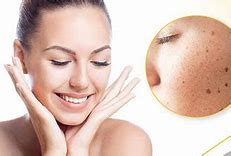
A minimally invasive procedure designed to stimulate collagen production by creating tiny punctures in the skin using fine needles. It helps improve texture, scars, and overall skin tone effectively without prolonged downtime.
- Description of symptoms addressed: Useful in treating acne scars, stretch marks, wrinkles, and enlarged pores through enhanced healing cascades.
- How diagnosis informs treatment: Skin condition evaluation determines needle depth and session frequency tailored individually.
- Treatment protocol details: Performed under topical anesthesia; sterile device creates controlled micro-injuries prompting repair mechanisms leading to smoother complexion
LASER THERAPY FOR PIGMENTATION
Pigmentation disorders affect skin color due to excess melanin production. Laser therapy offers targeted treatment by breaking down pigment deposits beneath the skin’s surface without harming surrounding tissue.
- Causative factors: Includes sun damage, melasma, post-inflammatory hyperpigmentation from acne or injury.
- Evaluation process: Determination of pigmentation type via clinical assessment guides laser choice and settings.
- Treatment process: Pulsed lasers emit light absorbed by pigment particles leading to gradual fading over sessions.
- Dermatological care post-procedure: Strict sun protection and topical agents help maintain results and prevent recurrence.
- Treatment duration & outcomes: Usually multiple visits spaced weeks apart; progressive improvement noted after each session with minimal discomfort.
This approach enables precise correction of pigmentation irregularities while preserving healthy skin integrity through controlled energy delivery.
CRYOTHERAPY FOR WARTS
Cryotherapy is an effective office-based treatment that uses extreme cold to destroy abnormal skin growths such as warts. It is quick, safe, and commonly performed in dermatology clinics.
- Identification: Warts are benign viral infections caused by human papillomavirus (HPV), appearing as rough bumps on hands or feet.
- Diagnosis: Visual examination usually suffices; sometimes dermoscopy is used for confirmation.
- Treatment method: Liquid nitrogen is applied directly onto the wart causing freezing and destruction of infected cells.
- What to expect post-treatment: Temporary redness, blistering, or mild discomfort can occur but heal within days to weeks.
- Efficacy & repeat sessions: Some lesions may require multiple treatments spaced weeks apart for complete clearance.
This technique provides a minimally invasive option suitable for various types of warts with fast recovery times.
CHEMICAL PEELS
Chemical peels are a popular dermatological procedure used to improve the appearance and texture of the skin. This treatment involves applying a chemical solution to exfoliate the outer layers, promoting regeneration and revealing fresher skin beneath.
- Causes & indications: Often recommended for treating acne scars, age spots, uneven pigmentation, and fine lines.
- Diagnosis & assessment: A dermatologist evaluates skin type and concerns to select an appropriate peel strength.
- Treatment approach: Application of acids such as glycolic or salicylic acid; depths vary from superficial to medium peels based on needs.
- Recovery expectations: Mild redness and peeling for several days; patients should avoid sun exposure and use moisturizers.
- Follow-up care: Multiple sessions may be necessary for optimal results, combined with good skincare routines.
This procedure offers a minimally invasive way to rejuvenate the skin, improving clarity and tone while requiring limited downtime when properly managed.