
Dr Govind Sharma
About Me
Dr Govind Sharma
MS
Orthopaedic Surgeons
10 Years Experience
Biography
My Clinic
OPD Hours
| Monday | Morning | 10:00 AM | - | 02:00 PM |
| Evening | 06:00 PM | - | 09:00 PM | |
| Tuesday | Morning | 10:00 AM | - | 02:00 PM |
| Evening | 06:00 PM | - | 09:00 PM | |
| Wednesday | Morning | 10:00 AM | - | 02:00 PM |
| Evening | 06:00 PM | - | 09:00 PM | |
| Thursday | Morning | 10:00 AM | - | 02:00 PM |
| Evening | 06:00 PM | - | 09:00 PM | |
| Friday | Morning | 10:00 AM | - | 02:00 PM |
| Evening | 06:00 PM | - | 09:00 PM | |
| Saturday | Morning | 10:00 AM | - | 02:00 PM |
| Evening | 06:00 PM | - | 09:00 PM | |
| Sunday | Morning | 10:00 AM | - | 02:00 PM |
| Evening | 06:00 PM | - | 09:00 PM |
Treatments
Specialised care and treatments offered
SPINAL DISC HERNIATION TREATMENT
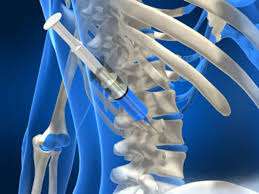
A herniated disc involves displacement of spinal disc material that may irritate nearby nerves causing back pain radiating into limbs depending on location along cervical or lumbar spine regions.
- Patients usually experience persistent localized back stiffness accompanied by numbness , tingling , muscle weakness , or shooting pain radiating down arms or legs .
- Diagnosis combines patient history , neurological examination with confirmatory imaging including MRI which clearly delineates disc protrusion extent .
- Initial management prioritizes non-surgical options such as analgesics , physical therapy focusing on core strengthening , posture correction , along with short-term activity modification .
- Surgery might be necessary for severe cases exhibiting progressive neurological deficits unrelieved by conservative care ; procedures aim at removing offending disc fragments relieving nerve compression .
With appropriate tailored treatment , many individuals regain functional capacity minimizing chronic disability risks associated with untreated spinal problems .
TENNIS ELBOW (LATERAL EPICONDYLITIS) CARE

Lateral epicondylitis is an overuse injury causing inflammation of tendons around the outer elbow due to repetitive wrist extension activities commonly seen in racket sports but also occupational tasks.
- The hallmark symptom is localized elbow pain aggravated by gripping or lifting objects with an extended wrist position.
- A clinical diagnosis relies mainly on history taking combined with specific physical tests assessing tenderness over lateral epicondyle without need for extensive imaging unless alternative diagnoses are suspected.
- Treatment mostly involves rest from aggravating activities alongside physiotherapy techniques like stretching exercises and eccentric strengthening programs for tendon healing stimulation. NSAIDs may help reduce inflammation temporarily.
- Persistent cases might require corticosteroid injections or shockwave therapy; surgery remains last resort after failure of conservative methods over months duration.
The goal centers on alleviating pain while promoting tendon recovery enabling gradual return to usual functions safely without recurrence risk.
ANTERIOR CRUCIATE LIGAMENT (ACL) RECONSTRUCTION

The ACL is a key ligament stabilizing the knee; injury often occurs during sports involving pivoting movements resulting in instability episodes.
- An ACL tear typically causes sudden knee pain followed by swelling and difficulty bearing weight.
- The diagnosis process includes clinical maneuvers such as Lachman test alongside MRI imaging for confirmation of ligament disruption extent.
- Treatment options vary; non-operative management with bracing might suit some patients but many benefit from surgical reconstruction, especially active individuals aiming to return to high-level activities.
- An extensive rehabilitation program post-surgery focuses on restoring strength, proprioception, and knee stability over several months before resuming full activity safely.
This structured approach enhances healing potential and reduces risks of further injury or chronic instability complications.
CARPAL TUNNEL SYNDROME TREATMENT

This condition arises from compression of the median nerve within the wrist’s carpal tunnel, causing hand discomfort and functional issues.
- The main symptoms include numbness, tingling, weakness in the thumb and first three fingers especially at night or with repetitive hand use.
- A combination of physical exam tests, nerve conduction studies, and electromyography assist in confirming diagnosis severity.
- Mild cases respond well to wrist splints, activity modification, anti-inflammatory medications, and corticosteroid injections to reduce swelling around the nerve.
- If symptoms persist or worsen despite conservative treatment, surgical release of the transverse carpal ligament may be necessary to alleviate pressure on the nerve.
Treatment aims to restore hand function while minimizing discomfort for improved daily performance.
ROTATOR CUFF TEAR REPAIR

A rotator cuff tear occurs when one or more tendons in the shoulder become damaged or torn, affecting shoulder strength and movement.
- Causes include acute injury or chronic wear from repetitive overhead activities or aging.
- Symptoms often involve shoulder pain at rest or movement, weakness, and limited range of motion.
- Diagnosis is based on physical examination tests supported by imaging such as MRI for detailed tendon evaluation.
- Treatment varies from conservative approaches like rest and physiotherapy to surgical repair aimed at restoring tendon integrity depending on tear size and patient needs.
Early intervention can optimize recovery outcomes and prevent further deterioration of shoulder function.
OSTEOARTHRITIS MANAGEMENT

Osteoarthritis is a common joint disorder characterized by the gradual breakdown of cartilage, leading to pain and stiffness, particularly in weight-bearing joints like knees and hips.
- Symptoms often include joint pain, swelling, decreased flexibility, and a grinding sensation during movement.
- Diagnosis typically involves clinical examination supplemented by X-rays or MRI to assess cartilage loss and joint space narrowing.
- Treatment options range from lifestyle modifications such as weight management and physical therapy to medications including NSAIDs and corticosteroid injections.
- Surgical interventions, like joint replacement, may be considered when conservative measures fail to relieve symptoms or restore function.
Proper management focuses on relieving pain, improving joint mobility, and maintaining quality of life through individualized care plans.