
Dr Gulab Choudha
About Me
Dr Gulab Choudha
MBBS
General Physician
10 Years Experience
Biography
My Clinic
OPD Hours
| Monday | Morning | 10:00 AM | - | 02:00 PM |
| Evening | 06:00 PM | - | 09:00 PM | |
| Tuesday | Morning | 10:00 AM | - | 02:00 PM |
| Evening | 06:00 PM | - | 09:00 PM | |
| Wednesday | Morning | 10:00 AM | - | 02:00 PM |
| Evening | 06:00 PM | - | 09:00 PM | |
| Thursday | Morning | 10:00 AM | - | 02:00 PM |
| Evening | 06:00 PM | - | 09:00 PM | |
| Friday | Morning | 10:00 AM | - | 02:00 PM |
| Evening | 06:00 PM | - | 09:00 PM | |
| Saturday | Morning | 10:00 AM | - | 02:00 PM |
| Evening | 06:00 PM | - | 09:00 PM | |
| Sunday | Morning | 10:00 AM | - | 02:00 PM |
| Evening | 06:00 PM | - | 09:00 PM |
Treatments
Specialised care and treatments offered
ANNUAL HEALTH CHECK-UP
An annual health check-up serves as a preventive measure designed to assess your overall health status before any major problems arise. Regular check-ups are crucial regardless of how healthy you feel!
- During these check-ups, vital signs including blood pressure, cholesterol levels, body mass index (BMI), among others will be evaluated comprehensively by healthcare professionals.
- A discussion about personal medical history alongside family health factors aids in identifying potential risks tailored specifically toward each patient’s profile.
- Depending on individual needs; specific screenings such as mammograms or colonoscopies might also be recommended based upon age/gender requirements increasing early detection chances.
- Addressing any concerns during these visits fosters open communication thereby building trusting patient-provider relationships enhancing future engagement together!
Make these annual check-ups part of your routine—you deserve proactive healthcare!
GASTROESOPHAGEAL REFLUX DISEASE (GERD)

Gastroesophageal reflux disease (GERD) occurs when stomach acid frequently flows back into the esophagus. Understanding this condition can significantly enhance quality of life for sufferers.
- Main symptoms include heartburn, regurgitation of acid into the mouth/throat, difficulty swallowing, or chronic cough which may worsen after meals or while lying down.
- Diagnosis typically involves a review of symptoms along with possible endoscopy procedures to view the esophagus directly if necessary.
- Treatment strategies focus on lifestyle modifications such as avoiding trigger foods/behaviors while medications might include antacids or proton pump inhibitors to reduce stomach acidity.
- Regular monitoring helps gauge control over GERD symptoms ensuring reduced incidents over time.
Living well with GERD revolves around dietary vigilance combined with professional guidance—relief is attainable!
HYPERLIPIDEMIA MANAGEMENT

Hyperlipidemia refers to elevated levels of lipids (fats) in the blood. It’s an important factor that increases the risk of cardiovascular diseases if not properly managed.
- This condition often has no obvious symptoms but can be diagnosed through routine blood tests measuring cholesterol levels.
- The main causes include unhealthy diet habits, lack of exercise, obesity, genetic factors, and certain health conditions like diabetes or hypothyroidism.
- Treatment usually includes lifestyle modifications such as adopting a healthier diet rich in fruits and vegetables along with possibly starting lipid-lowering medications when necessary.
- Your healthcare provider will work with you to monitor lipid levels regularly to assess treatment effectiveness and make adjustments accordingly.
Evolving lifestyle habits not only improves lipid profiles but also enhances overall health—leading towards a heart-healthy life!
RESPIRATORY INFECTIONS
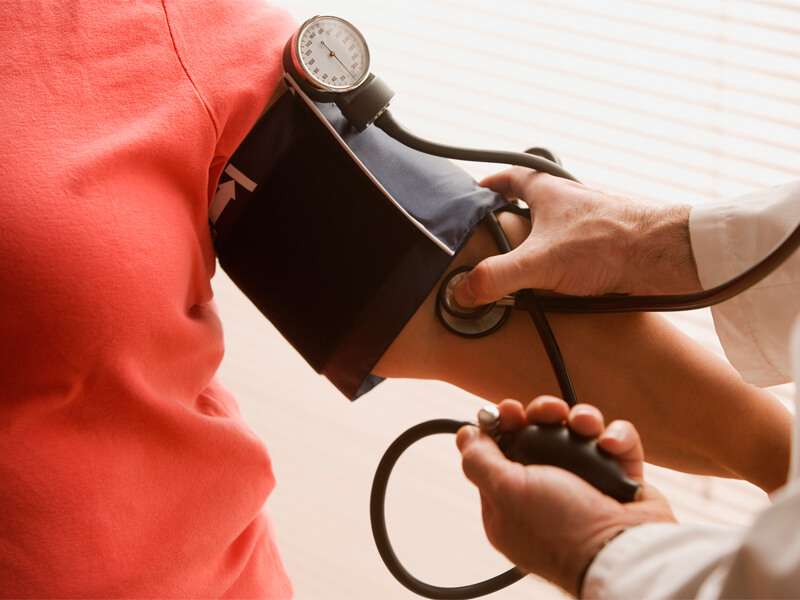
Respiratory infections can range from mild colds to more severe conditions like pneumonia. Understanding their causes and treatment options is essential for proper recovery.
- Common symptoms include cough, fever, sore throat, and difficulty breathing which can vary in intensity based on the specific infection type.
- A thorough medical history coupled with physical examination helps in diagnosing the type of respiratory infection present; sometimes imaging tests may be required for pneumonia.
- Treatment depends on whether the infection is viral or bacterial; antibiotics are prescribed for bacterial infections while rest and hydration are crucial for viral cases.
- Your physician may suggest over-the-counter medications to relieve symptoms or recommend home remedies for better comfort during recovery.
Persistent respiratory issues should never be ignored; seeking timely medical attention will facilitate prompt treatment and care!
DIABETES SCREENING

Diabetes is a chronic condition that affects how your body processes glucose (sugar). Early detection through screening can significantly improve outcomes and help in managing the disease effectively.
- You may be at risk for diabetes if you exhibit symptoms such as increased thirst, frequent urination, extreme fatigue, or blurred vision.
- A diagnosis involves checking your blood sugar levels using tests like fasting plasma glucose or A1C testing.
- Treatment often begins with lifestyle interventions including diet changes, increased physical activity, and weight loss; insulin therapy might be required in more severe cases.
- Patient education on self-monitoring of blood glucose levels plays a crucial role in managing diabetes effectively.
Timely screening empowers patients to take charge of their health and prevent serious complications down the road.
HYPERTENSION MANAGEMENT

Hypertension, commonly known as high blood pressure, is a prevalent condition that affects many adults. This condition can lead to serious health issues if left unmanaged.
- Symptoms often include headaches, shortness of breath, and nosebleeds; however, many individuals may not experience noticeable symptoms at all.
- Diagnosis is typically performed using a sphygmomanometer to measure the blood pressure over multiple visits.
- Treatment options vary and may include lifestyle changes such as diet modification and regular exercise, alongside medications like diuretics or ACE inhibitors.
- The goal of management is to keep blood pressure within a healthy range to prevent complications like heart disease and stroke.
- Regular monitoring and follow-ups with your healthcare provider are essential for effective management.
Understanding hypertension is key to maintaining your overall health. With appropriate measures, it is manageable!