
Dr Gulatis Clini
About Me
Dr Gulatis Clini
MD
Dermatologist
10 Years Experience
Biography
My Clinic
OPD Hours
| Monday | Morning | 10:00 AM | - | 02:00 PM |
| Evening | 06:00 PM | - | 09:00 PM | |
| Tuesday | Morning | 10:00 AM | - | 02:00 PM |
| Evening | 06:00 PM | - | 09:00 PM | |
| Wednesday | Morning | 10:00 AM | - | 02:00 PM |
| Evening | 06:00 PM | - | 09:00 PM | |
| Thursday | Morning | 10:00 AM | - | 02:00 PM |
| Evening | 06:00 PM | - | 09:00 PM | |
| Friday | Morning | 10:00 AM | - | 02:00 PM |
| Evening | 06:00 PM | - | 09:00 PM | |
| Saturday | Morning | 10:00 AM | - | 02:00 PM |
| Evening | 06:00 PM | - | 09:00 PM | |
| Sunday | Morning | 10:00 AM | - | 02:00 PM |
| Evening | 06:00 PM | - | 09:00 PM |
Treatments
Specialised care and treatments offered
SEBORRHEIC DERMATITIS
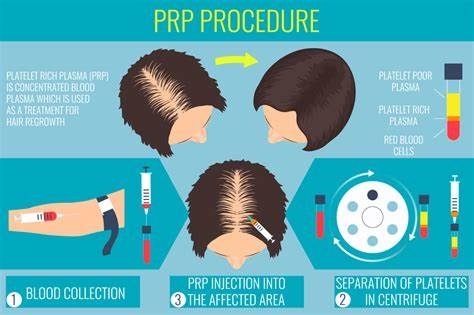
This common inflammatory skin disorder mainly affects oily areas such as the scalp (dandruff), face near eyebrows/nose folds and chest. It manifests as flaky scales accompanied by redness and itchiness caused by yeast proliferation combined with individual susceptibility factors.
- Symptoms typically manifest as greasy yellowish scales over red inflamed patches that can cause discomfort;
- Diagnosis depends predominantly on clinical observation differentiating it from psoriasis or eczema;
- Management incorporates medicated shampoos containing antifungals like ketoconazole alongside topical corticosteroids during flare ups;
- Maintaining good hygiene routines lowers recurrence risks;
- Patients should expect periodic episodes that respond well when treated timely ensuring symptom control.
While chronic in nature,seborreic dermatitis generally responds favorably enabling those affected lead comfortable daily lives through consistent care.
ALOPECIA AREATA
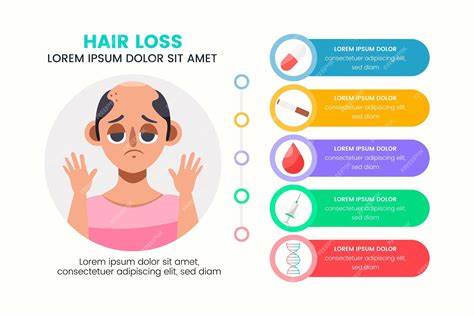
This autoimmune condition causes sudden hair loss in round patches over the scalp or body. Hair follicles become targeted by immune cells causing non-scarring alopecia (hair falling out without damage).
- The primary symptom is well-defined bald spots which are usually smooth without visible irritation;
- The exact trigger remains unclear but genetics plus immune system abnormalities contribute significantly;
- Dermatologists diagnose alopecia areata based on clinical patterns supported occasionally by scalp biopsy;
- Treatments focus on stimulating hair regrowth using corticosteroid injections locally applied immunotherapy or topical sensitizers;
- Sustained follow-up helps monitor regrowth progress as spontaneous recovery also occurs though unpredictably;
Though distressing due to appearance changes,this condition does not lead to permanent follicle destruction enabling many patients regain hair eventually under proper care.
MELASMA
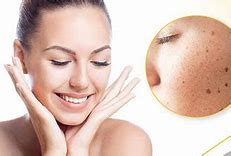
Melasma presents as dark brown patches mostly on facial areas exposed to sunlight such as cheeks, forehead, nose bridge, and upper lip. It is more frequent in women due to hormonal influences but affects all genders occasionally.
- The characteristic signs include irregularly shaped hyperpigmented spots appearing symmetrically on sun-exposed regions of the face;
- Affecting mostly adults of reproductive age; contributing factors include hormonal changes (pregnancy or birth control use), UV exposure & genetics;
- The diagnosis relies mainly on visual inspection supported by Wood’s lamp examination;
- Treatment involves sun protection measures including broad-spectrum sunscreens along with topical agents such as hydroquinone or azelaic acid;
- Chemical peels or laser procedures may be recommended in refractory cases;
Lifelong sun avoidance remains critical because melasma can recur despite treatment efforts; patience with gradual fading is important when managing this pigmentation disorder.
ACNE VULGARIS
Acne vulgaris is a common inflammatory condition affecting hair follicles and sebaceous glands leading to pimples. It mostly appears on the face, chest, and back during adolescence but may persist into adulthood.
- This disorder shows as whiteheads, blackheads, papules, pustules or cystic lesions which can be painful or cause scarring if untreated.
- The root cause relates to excess oil production combined with clogged pores by dead skin cells alongside bacterial colonization (Propionibacterium acnes).
- A thorough clinical evaluation helps differentiate acne from other similar dermatologic issues; sometimes severity grading guides therapy choices.
- Treatment modalities vary: topical retinoids or antibiotics for mild cases; oral contraceptives or isotretinoin in resistant or severe presentations;
- Lifestyle changes like gentle cleansing habits and avoiding oily cosmetics may improve outcomes but medical therapies are often needed for effective control.
Efficacious management reduces active lesions while minimizing post-acne marks to restore clear skin appearance over time.
ATOPIC DERMATITIS (ECZEMA)
This condition causes inflamed, itchy skin commonly seen in children but it can affect all ages. Atopic dermatitis tends to flare periodically and then subside.
- The main symptoms include red or brownish-gray patches on the skin, intense itching especially at night, dryness, and sometimes oozing or crusting lesions.
- The exact causes are unknown but involve genetic predisposition combined with environmental triggers like allergens or irritants.
- A dermatologist makes a diagnosis primarily through clinical examination and patient history due to its characteristic appearance.
- Treatment includes moisturizers to repair the skin barrier, topical steroids or calcineurin inhibitors to reduce inflammation, and antihistamines for itch relief.
- A proactive management plan, including avoiding known triggers and regular skincare routines, is crucial for controlling symptoms long term.
The goal is to keep flare-ups minimal while maintaining healthy skin with proper treatment and care strategies tailored individually.
PSORIASIS
Psoriasis is a chronic autoimmune condition that causes the rapid buildup of skin cells, leading to scaling on the skin’s surface. This buildup results from inflammation and redness around the scales.
- Symptoms include red patches covered with thick, silvery scales, dry cracked skin that may bleed, itching, and soreness.
- Causes involve an overactive immune system triggering skin cell production at an accelerated rate, often influenced by genetic and environmental factors.
- Diagnosis generally involves a physical examination and sometimes a skin biopsy to rule out other conditions.
- Treatment options range from topical corticosteroids, vitamin D analogs, phototherapy, to systemic medications for severe cases.
- Management focuses on reducing inflammation and preventing flare-ups through lifestyle modification and adherence to prescribed therapies.
Although psoriasis is a long-term condition with no permanent cure yet, ongoing treatment can greatly reduce symptoms and improve quality of life.