
Dr Gunjan Mittal,
About Me
Dr Gunjan Mittal,
MBBS
Internal Medicine
10 Years Experience
Biography
My Clinic
OPD Hours
| Monday | Morning | 10:00 AM | - | 02:00 PM |
| Evening | 06:00 PM | - | 09:00 PM | |
| Tuesday | Morning | 10:00 AM | - | 02:00 PM |
| Evening | 06:00 PM | - | 09:00 PM | |
| Wednesday | Morning | 10:00 AM | - | 02:00 PM |
| Evening | 06:00 PM | - | 09:00 PM | |
| Thursday | Morning | 10:00 AM | - | 02:00 PM |
| Evening | 06:00 PM | - | 09:00 PM | |
| Friday | Morning | 10:00 AM | - | 02:00 PM |
| Evening | 06:00 PM | - | 09:00 PM | |
| Saturday | Morning | 10:00 AM | - | 02:00 PM |
| Evening | 06:00 PM | - | 09:00 PM | |
| Sunday | Morning | 10:00 AM | - | 02:00 PM |
| Evening | 06:00 PM | - | 09:00 PM |
Treatments
Specialised care and treatments offered
LIPID PROFILE ANALYSIS
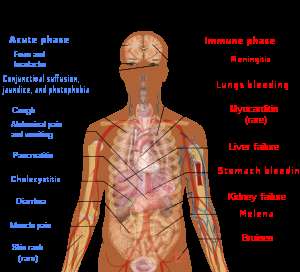
Lipid profile testing assesses fats in the blood which are important markers for cardiovascular risk. Understanding lipid levels aids in prevention strategies against heart disease.
THYROID FUNCTION TESTING
The thyroid gland regulates metabolism through hormone secretion. Dysfunction can cause various systemic symptoms requiring precise evaluation for appropriate intervention.
- Symptoms/Causes: Fatigue, weight changes, temperature intolerance; caused by hypothyroidism or hyperthyroidism among other conditions.
- Diagnosis: Blood tests measuring TSH, free T4, and sometimes antibodies determine thyroid status accurately.
- Treatment/Management:The approach depends on whether there is under- or overactivity: thyroid hormone replacement or antithyroid medications respectively are common treatments.
ANEMIA WORKUP
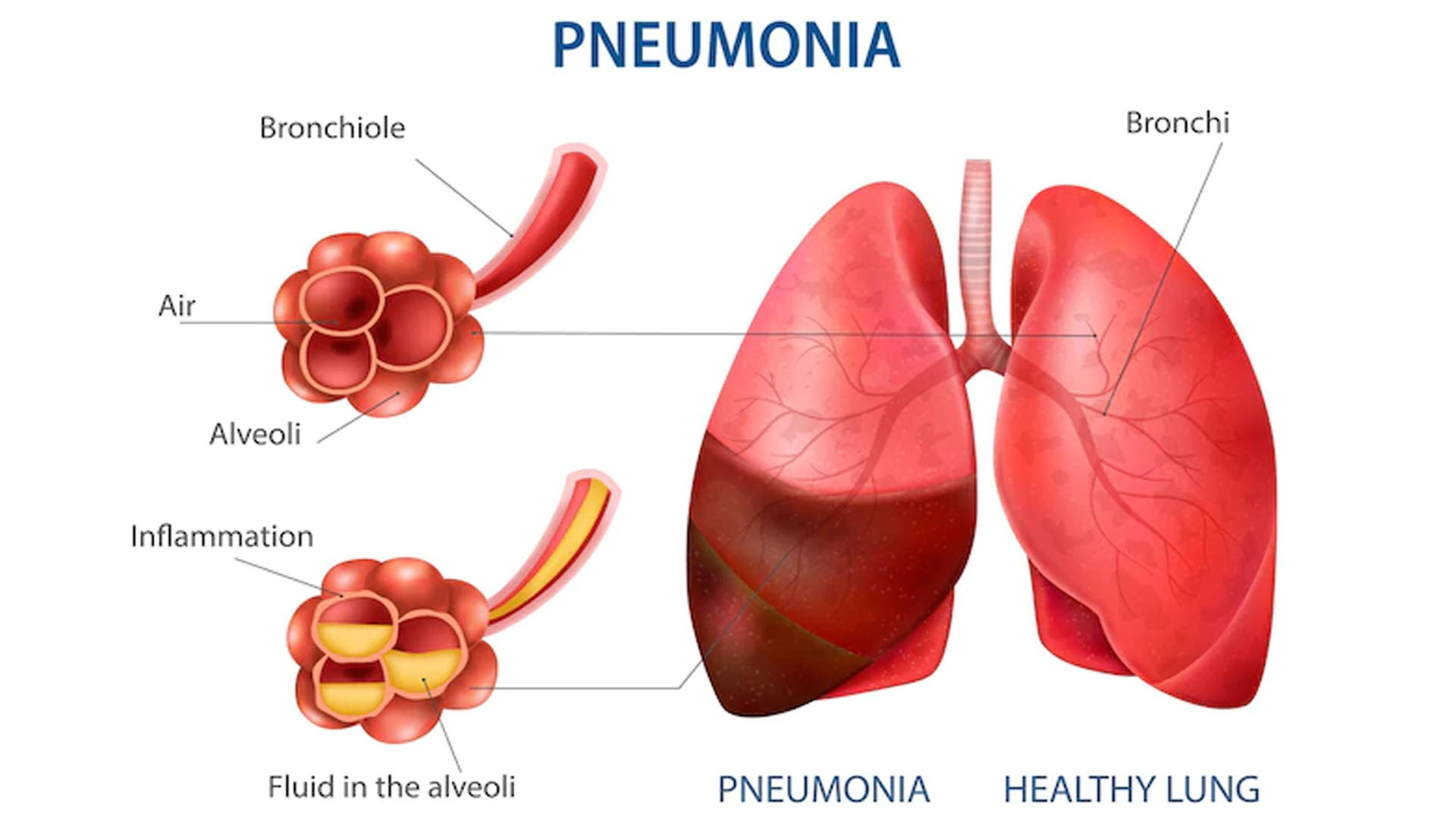
Anemia occurs when there is a decrease in red blood cells or hemoglobin leading to reduced oxygen delivery to tissues. Identifying the cause is fundamental for proper care.
- Symptoms/Causes: Fatigue, pallor, shortness of breath; causes vary from nutritional deficiencies to chronic diseases or bleeding disorders.
- Diagnosis: Complete blood count (CBC), iron studies, vitamin B12 levels, and sometimes bone marrow examination help pinpoint the cause.
- Treatment/Management: Depends on underlying etiology: supplementation for deficiencies or treating chronic illnesses accordingly.
- Expectations: Response to treatment varies but early detection improves recovery chances and reduces symptom burden.
CHRONIC OBSTRUCTIVE PULMONARY DISEASE (COPD) ASSESSMENT
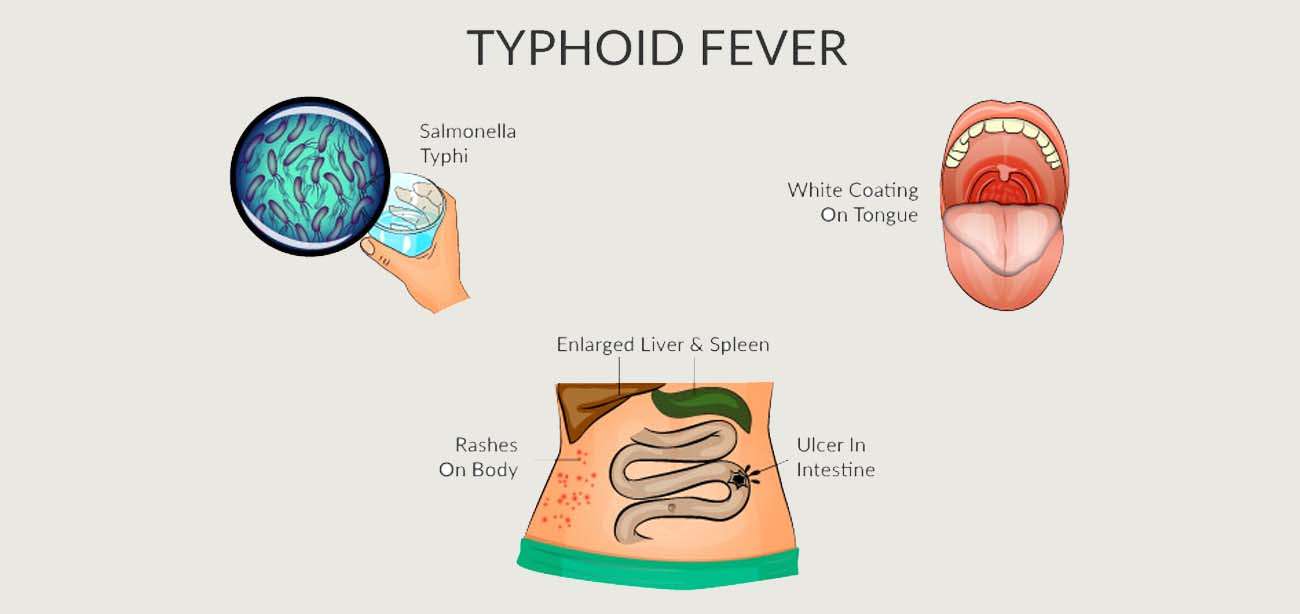
COPD is a progressive lung disease that obstructs airflow and causes breathing difficulties. Timely assessment helps in managing symptoms effectively.
- Symptoms/Causes: Chronic cough, sputum production, shortness of breath; primarily caused by smoking and environmental pollutants.
- Diagnosis: Pulmonary function tests including spirometry are essential to evaluate lung capacity and airflow limitation.
- Treatment/Management: Smoking cessation remains critical; bronchodilators, corticosteroids, and pulmonary rehabilitation form the core treatment strategies.
- Expectations: Treatment aims to improve quality of life and slow disease progression with ongoing medical support.
A thorough clinical assessment allows tailored interventions for those living with COPD to better manage their respiratory health.
TYPE 2 DIABETES MELLITUS EVALUATION
This chronic metabolic disorder is characterized by high blood sugar levels due to insulin resistance. Early diagnosis and management are key to preventing complications.
- Symptoms/Causes: Increased thirst, frequent urination, fatigue; risk factors include obesity, sedentary lifestyle, family history.
- Diagnosis: Fasting plasma glucose tests, HbA1c levels, and oral glucose tolerance tests are commonly used methods.
- Treatment/Management: Emphasis on lifestyle changes like weight loss and exercise; pharmacotherapy includes metformin or other hypoglycemic agents as needed.
- Expectations: Regular monitoring of blood glucose helps in adjusting therapies; patient education empowers self-care and reduces complications.
A comprehensive approach to evaluation supports optimal long-term management of type 2 diabetes mellitus.
HYPERTENSION MANAGEMENT
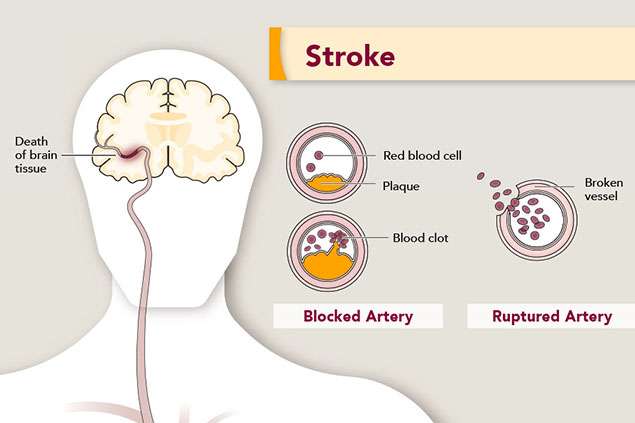
High blood pressure, or hypertension, is a common condition that increases the risk of heart disease and stroke. It often presents without symptoms but can be detected through routine screening.
- Symptoms/Causes: Often asymptomatic; may be influenced by genetics, diet, stress, and lifestyle factors.
- Diagnosis: Confirmed by repeated blood pressure measurements over time; ambulatory monitoring may be used for accuracy.
- Treatment/Management: Lifestyle modifications such as diet and exercise are first-line; medications including ACE inhibitors or beta blockers may be prescribed based on severity.
- Expectations: Ongoing monitoring is important to prevent complications; treatment success is measured by sustained blood pressure control.
Effective management of hypertension can significantly reduce cardiovascular risks and improve quality of life with regular follow-up care.