
Dr Gyan Chand Mat
About Me
Dr Gyan Chand Mat
MBBS
General Physician
Biography
My Clinic
OPD Hours
| Monday | Morning | 10:00 AM | - | 02:00 PM |
| Evening | 06:00 PM | - | 09:00 PM | |
| Tuesday | Morning | 10:00 AM | - | 02:00 PM |
| Evening | 06:00 PM | - | 09:00 PM | |
| Wednesday | Morning | 10:00 AM | - | 02:00 PM |
| Evening | 06:00 PM | - | 09:00 PM | |
| Thursday | Morning | 10:00 AM | - | 02:00 PM |
| Evening | 06:00 PM | - | 09:00 PM | |
| Friday | Morning | 10:00 AM | - | 02:00 PM |
| Evening | 06:00 PM | - | 09:00 PM | |
| Saturday | Morning | 10:00 AM | - | 02:00 PM |
| Evening | 06:00 PM | - | 09:00 PM | |
| Sunday | Morning | 10:00 AM | - | 02:00 PM |
| Evening | 06:00 PM | - | 09:00 PM |
Treatments
Specialised care and treatments offered
GASTROESOPHAGEAL REFLUX DISEASE (GERD) MANAGEMENT
The discomfort caused by gastroesophageal reflux disease (GERD) is often underestimated. This chronic condition occurs when stomach acid flows back into the esophagus causing irritation over time which needs addressing effectively through various means available today .
- Symptoms : Heartburn , regurgitation , chest pain , difficulty swallowing , chronic cough amongst other signs indicating potential underlying issues related digestion should arise from this ailment .
- Diagnosis : Diagnosis primarily relies upon patient's reported experiences supplemented by endoscopy where visual inspections allow physicians gauge extent damage incurred lining esophagus allowing determining best course action taking place .
- Treatment options : Initial approach involves adopting changes lifestyle e.g., dietary restrictions coupled medication options aimed reducing acidity subsequent flare-ups providing patient comfort ensuring manageable state exists over time facilitating normal functioning digestive system again once modifications introduced achieve results desired client requires follow-up then ascertain tracking progress meeting targeted objectives established initially thus obtaining long term sustainable relief while enhancing overall quality living ;
- Conclusion: GERD must never dismissed nor overlooked since doing so lead further detrimental effects impacting daily activities leading eventually compromised lifestyle if remain untreated forever compounded endlessly deteriorate situation instead seeking assistance promptly helps resolve matters beforehand !
Taking charge proactive measures assists ensure both physical emotional wellbeing maintained throughout journey confronting challenges brought forth spiraling round experiences related Gerd ensuring healthier future lying ahead awaits journey continues towards full recovery !
ANNUAL VACCINATIONS

An annual vaccination is pivotal in protecting against various infectious diseases that can affect individuals throughout their lives. Staying up-to-date on vaccinations ensures community safety while safeguarding personal health.
- Disease prevention: Vaccines prevent major illnesses like influenza (flu), pneumonia, hepatitis B, HPV-related cancers among others that pose significant public health threats each year
Pursuing annual vaccinations reinforces individual immunity while contributing positively towards herd immunity within communities helping everyone stay healthy together
ASTHMA MANAGEMENT

Asthma is a chronic lung condition characterized by inflammation and narrowing of the air passages. It requires effective management strategies tailored to each individual’s needs for optimal breathing control.
- Symptoms: Common indicators include shortness of breath, wheezing, chest tightness, and persistent coughing—particularly at night or early morning hours.
- Diagnosis: Medical history assessment along with lung function tests such as spirometry helps confirm asthma diagnosis based on airflow obstruction patterns.
- Treatment options: Patients often benefit from a combination of inhaled corticosteroids for long-term control while using rescue inhalers for quick relief during acute episodes or attacks.
- Coping strategies: Identifying triggers—such as allergens—and incorporating avoidance techniques alongside scheduled medical reviews plays an essential part in managing asthma successfully over time.
An effective asthma management plan enables individuals not only to minimize symptoms but also improves overall quality of life dramatically by keeping flare-ups at bay.
PREVENTIVE HEALTH CHECK-UPS
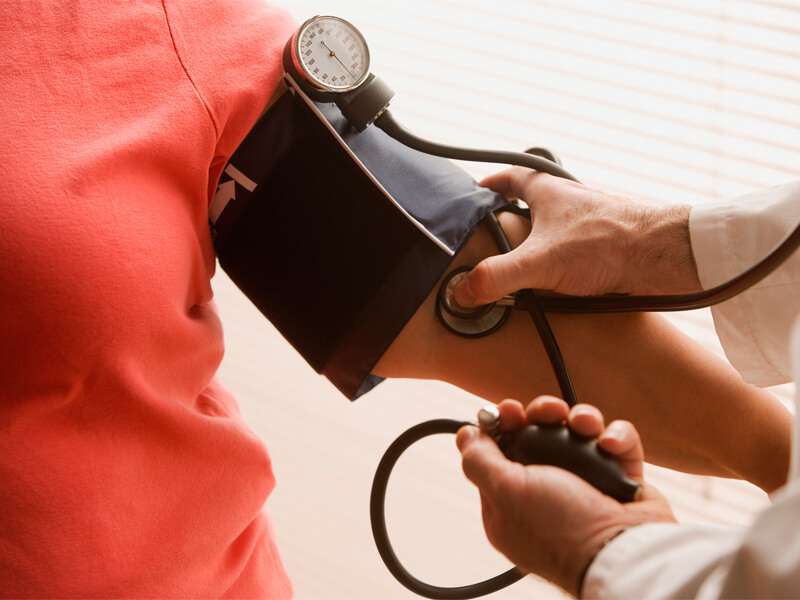
The importance of preventive health check-ups cannot be overstated. These regular assessments help identify potential health risks before they become significant problems.
- Why they matter: Preventive care can catch early signs of conditions like heart disease, cancer, or diabetes when they are most treatable.
- Typical components: Check-ups usually consist of physical examinations, screenings (e.g., cholesterol levels), immunizations, and discussions regarding lifestyle habits like diet and exercise.
- Treatment options: Based on findings from the check-up, your physician might recommend lifestyle changes or further diagnostic testing if any abnormalities are detected.
- Your role: Be prepared to discuss your family history and any personal concerns you may have during the evaluation process to assist in tailoring preventive measures that suit you best.
An informed approach can significantly enhance both immediate well-being and long-term health outcomes.
DIABETES SCREENING

Diabetes is a chronic condition that affects how your body processes glucose (sugar). Early screening plays a crucial role in identifying the disease before it leads to more serious complications.
- Symptoms: Common symptoms include increased thirst, frequent urination, fatigue, blurred vision, and slow healing of wounds.
- Diagnosis: Blood tests such as fasting plasma glucose or HbA1c are used to determine an individual's blood sugar levels and evaluate if they meet diabetes criteria.
- Treatment options: Depending on the type of diabetes diagnosed—Type 1 or Type 2—management may involve insulin therapy or oral medications along with dietary adjustments and physical activity recommendations.
- What to expect: Regular follow-up appointments will be necessary to monitor blood sugar levels and adjust treatment plans as needed. Education about managing diabetes day-to-day is also essential for success in treatment.
A proactive approach can lead to better outcomes and improved quality of life for patients with diabetes.
HYPERTENSION MANAGEMENT

Hypertension, or high blood pressure, is a common condition that can lead to serious health issues if left untreated. It often develops over many years and can go unnoticed for a long time. Early detection and management are key to preventing complications.
- Symptoms: Many people with hypertension experience no symptoms; hence it is often referred to as a 'silent killer'. However, severe cases may lead to headaches, shortness of breath, or nosebleeds.
- Diagnosis: Blood pressure readings are taken during routine check-ups. If consistently elevated, further evaluations may include blood tests or ECGs to assess overall heart health.
- Treatment options: Lifestyle changes such as diet modifications, regular exercise, and stress management are typically recommended. In some cases, medication may be necessary to control blood pressure levels effectively.
- What to expect: With proper management through lifestyle interventions and possibly medication, most individuals can maintain healthy blood pressure levels and significantly reduce their risk of heart disease or stroke.
Regular monitoring is essential for those diagnosed with hypertension to ensure effective control of their condition.