
Dr Hamdulays Clinic
About Me
Dr Hamdulays Clinic
Cardiologist
Biography
My Clinic
OPD Hours
| Tuesday | Morning | 10:00 AM | - | 02:00 PM |
| Evening | 06:00 PM | - | 09:00 PM | |
| Wednesday | Morning | 10:00 AM | - | 02:00 PM |
| Evening | 06:00 PM | - | 09:00 PM | |
| Thursday | Morning | 10:00 AM | - | 02:00 PM |
| Evening | 06:00 PM | - | 09:00 PM | |
| Friday | Morning | 10:00 AM | - | 02:00 PM |
| Evening | 06:00 PM | - | 09:00 PM | |
| Saturday | Morning | 10:00 AM | - | 02:00 PM |
| Evening | 06:00 PM | - | 09:00 PM | |
| Sunday | Morning | 10:00 AM | - | 02:00 PM |
| Evening | 06:00 PM | - | 09:00 PM | |
| Thursday | Morning | 10:00 AM | - | 02:00 PM |
| Evening | 06:00 PM | - | 09:00 PM |
Treatments
Specialised care and treatments offered
CT ANGIOGRAPHY

ELECTROPHYSIOLOGY STUDY
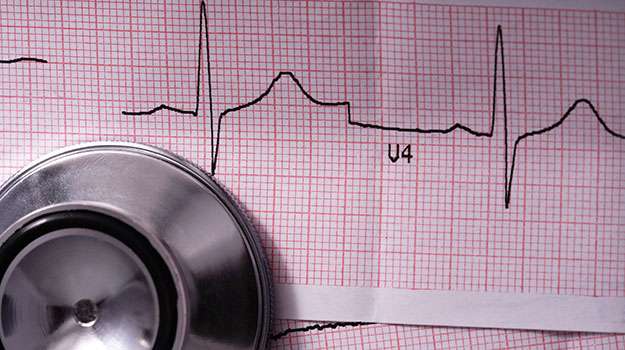
An electrophysiology study, often abbreviated as EPS, examines the electrical activity within the heart to diagnose arrhythmias. It plays an instrumental role in identifying abnormal heart rhythms that traditional tests might overlook.
- {}}* If there are symptoms like dizziness or syncope (loss of consciousness), this study becomes especially important.* Small electrodes are placed inside the heart through catheters inserted into blood vessels; they measure electrical signals directly.* Management options post-study could include medications or procedures like ablation depending upon diagnosed issues.* Most patients remain awake and comfortable throughout; sedation is used as necessary while being monitored closely!}.}}}}/u'/s/additional possible notes:}
CARDIAC CATHETERIZATION
A cardiac catheterization, often referred to as coronary angiography, allows doctors to visualize coronary arteries through contrast dye injected into the bloodstream. It is pivotal in diagnosing blockages or other issues affecting blood flow to the heart muscle.
- Symptoms: Common reasons for this catheterization include severe chest pain or abnormal stress test results that warrant further investigation of coronary artery disease (CAD).
- Diagnosis: During this procedure performed in a specialized lab facility, catheters lead directly into blood vessels; images are captured via X-ray technology after dye injection.
- Treatment/Management:If blockages are found during this examination, options may include angioplasty with stenting or potential surgery if needed based on severity and patient condition.
HOLTER MONITOR
A Holter monitor is a portable device used to continuously record the heart's rhythm for 24-48 hours. This type of monitoring is crucial for detecting intermittent arrhythmias or other cardiac anomalies that might not appear during a standard ECG exam.
- Symptoms: Patients experiencing palpitations, dizziness, or fainting spells may benefit from this extended monitoring approach.
- Diagnosis: Electrodes are placed on the skin to record electrical activity while normal daily activities are performed. The data collected will later be analyzed by your healthcare provider.
- Treatment/Management: Depending on findings from this monitor, treatments can include lifestyle advice, medication adjustments, or referrals for more invasive testing if necessary.
- Expectations: You can go about your normal activities while wearing the monitor but should keep a diary of symptoms experienced during this time for correlation during analysis.
The Holter monitor gives comprehensive insights into heart rhythm patterns over an extended period and assists in tailoring personalized treatment plans.
STRESS TEST
A stress test, also known as an exercise test, evaluates how well your heart functions under physical stress. This procedure helps identify issues that may not be present when at rest, making it a vital assessment tool for cardiovascular health.
- Symptoms: Indications for a stress test may include unexplained chest pain or significant fatigue during exertion.
- Diagnosis: The test typically involves walking on a treadmill while monitoring your heart rate, blood pressure, and ECG. A physician assesses these parameters for any abnormalities.
- Treatment/Management: Based on the results, you may receive recommendations such as lifestyle modifications, medications, or further diagnostic testing like angiography if required.
- Expectations: The entire process takes about 30-45 minutes. Patients are closely monitored throughout to ensure safety.
This valuable diagnostic tool reveals how your heart copes with increased demands and guides appropriate care strategies.
ECHOCARDIOGRAM
An echocardiogram is a non-invasive imaging test that uses sound waves to create detailed pictures of the heart's structure and function. This test is essential for diagnosing various cardiac conditions and helps in monitoring heart health over time.
- Symptoms: Patients may present with chest pain, shortness of breath, or irregular heartbeats, which can prompt further investigation.
- Diagnosis: An echocardiogram is performed by a technician, who will place a transducer on the chest to capture images. It is painless and typically requires no special preparation.
- Treatment/Management: Depending on the findings, treatment may range from lifestyle changes to medications or even surgical interventions if structural abnormalities are detected.
- Expectations: The procedure usually lasts about 30-60 minutes, and results can often be interpreted during the visit.
This imaging technique provides crucial insights into heart health and aids in forming an effective treatment plan.