
Dr Hansra
About Me
Dr Hansra
Cardiologist
Biography
My Clinic
OPD Hours
| Tuesday | Morning | 10:00 AM | - | 02:00 PM |
| Evening | 06:00 PM | - | 09:00 PM | |
| Wednesday | Morning | 10:00 AM | - | 02:00 PM |
| Evening | 06:00 PM | - | 09:00 PM | |
| Thursday | Morning | 10:00 AM | - | 02:00 PM |
| Evening | 06:00 PM | - | 09:00 PM | |
| Friday | Morning | 10:00 AM | - | 02:00 PM |
| Evening | 06:00 PM | - | 09:00 PM | |
| Saturday | Morning | 10:00 AM | - | 02:00 PM |
| Evening | 06:00 PM | - | 09:00 PM | |
| Sunday | Morning | 10:00 AM | - | 02:00 PM |
| Evening | 06:00 PM | - | 09:00 PM | |
| Thursday | Morning | 10:00 AM | - | 02:00 PM |
| Evening | 06:00 PM | - | 09:00 PM |
Treatments
Specialised care and treatments offered
SUDDEN CARDIAC ARREST

Sudden cardiac arrest (SCA) occurs abruptly when the heart unexpectedly stops beating due to electrical disturbances. This emergency situation demands immediate response for survival chances increase significantly with prompt intervention.
- Symptoms may include loss of consciousness followed by absence of breathing or pulse.
- Diagnosis relies primarily on witnessing symptoms since it often occurs suddenly without prior warning signals.
- Treatment necessitates urgent cardiopulmonary resuscitation (CPR) along with defibrillation using an automated external defibrillator (AED).
- Long-term management usually involves addressing underlying causes via medication deployment or implantable cardioverter-defibrillators (ICDs).
Recognizing warning signs could save lives; hence learning about CPR techniques is crucial for everyone.
HYPERTENSION
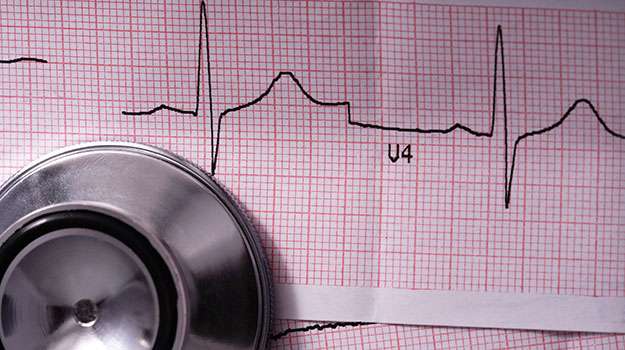
Hypertension, commonly referred to as high blood pressure, can be a silent yet dangerous condition affecting millions. Managing hypertension effectively requires awareness and consistent monitoring of blood pressure levels.
- This condition may manifest through headaches, dizziness, or blurred vision but often has no obvious symptoms until significant damage occurs.
- A diagnosis typically involves routine blood pressure checks along with assessments of underlying factors contributing to elevated readings.
- Treatment usually includes lifestyle changes—such as increased physical activity—and adherence to antihypertensive medications prescribed by healthcare professionals.
- Regular follow-ups are essential in monitoring blood pressure levels effectively after starting treatment.
Addressing hypertension proactively will considerably decrease risks related to severe cardiovascular events down the line.
CORONARY ARTERY DISEASE
Coronary artery disease (CAD) arises from the buildup of plaque in coronary arteries, restricting blood flow to the heart muscle. Managing CAD effectively begins with understanding its implications on health.
- Main causes include high cholesterol levels, smoking, diabetes, and hypertension which all contribute to plaque formation.
- The diagnosis often involves stress testing alongside imaging techniques such as angiography to visualize blockages clearly.
- Treatment focuses on lifestyle modifications combined with medications like statins or interventions such as stenting or bypass surgery if necessary.
- An individualized care plan is essential for improving health outcomes and preventing further complications associated with CAD.
If diagnosed early, more effective strategies can be employed leading to better management of your overall cardiovascular health.
ATRIAL FIBRILLATION
Atrial fibrillation (AFib) is an irregular heartbeat that can lead to various complications if left untreated. Understanding AFib helps patients recognize symptoms early for better management.
- This condition may present with sweating, palpitations, lightheadedness, or chest discomfort.
- A diagnosis typically involves an ECG or a Holter monitor to assess heart rhythm over time.
- Treatment often encompasses anticoagulants to prevent stroke risk and medications aimed at controlling heart rate or rhythm.
- Certain cases may require procedures like catheter ablation for better control of the heartbeat.
If you experience symptoms indicative of AFib, consult a healthcare professional promptly for appropriate management strategies.
HEART FAILURE
Heart failure occurs when the heart cannot pump enough blood to meet the body's needs. This chronic condition can be managed but requires dedication and consistent care.
- Main symptoms include fatigue, shortness of breath during activities or while lying down, and swelling in the legs.
- The diagnosis is confirmed through physical exams, echocardiograms, and sometimes blood tests for markers like BNP.
- Treatment options may involve medications such as diuretics, ACE inhibitors, or lifestyle adjustments inclusive of diet and exercise.
- Coping strategies might also include monitoring weight and adhering to prescribed regimens closely.
A proactive approach in managing heart failure leads to improved quality of life for patients living with this condition.
ACUTE MYOCARDIAL INFARCTION
Acute myocardial infarction (AMI), commonly known as a heart attack, occurs when blood flow to a part of the heart is blocked. This condition requires immediate medical attention to prevent serious damage or death.
- Symptoms include chest pain, shortness of breath, nausea, and cold sweats.
- AMI is diagnosed through electrocardiograms (ECGs), blood tests for cardiac enzymes, and imaging studies.
- Treatment often involves medications such as antiplatelets, thrombolytics, or procedures like angioplasty.
- Management also includes lifestyle changes and cardiac rehabilitation post-recovery.
- It is crucial to seek help immediately if symptoms arise; quick action can save your life.
A timely response to a heart attack can significantly improve outcomes and increase survival rates.