
Dr Hardik Thakker
About Me
Dr Hardik Thakker
Internal Medicine
Biography
My Clinic
OPD Hours
| Tuesday | Morning | 10:00 AM | - | 02:00 PM |
| Evening | 06:00 PM | - | 09:00 PM | |
| Wednesday | Morning | 10:00 AM | - | 02:00 PM |
| Evening | 06:00 PM | - | 09:00 PM | |
| Thursday | Morning | 10:00 AM | - | 02:00 PM |
| Evening | 06:00 PM | - | 09:00 PM | |
| Friday | Morning | 10:00 AM | - | 02:00 PM |
| Evening | 06:00 PM | - | 09:00 PM | |
| Saturday | Morning | 10:00 AM | - | 02:00 PM |
| Evening | 06:00 PM | - | 09:00 PM | |
| Sunday | Morning | 10:00 AM | - | 02:00 PM |
| Evening | 06:00 PM | - | 09:00 PM | |
| Thursday | Morning | 10:00 AM | - | 02:00 PM |
| Evening | 06:00 PM | - | 09:00 PM |
Treatments
Specialised care and treatments offered
INFECTIOUS DISEASE ASSESSMENT
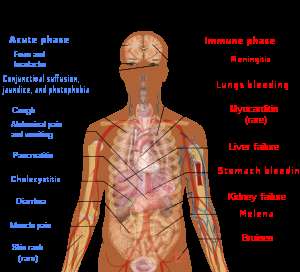
Infectious diseases pose significant public health challenges worldwide but can often be diagnosed accurately through thorough assessments early on enhancing successful treatment outcomes. Understanding various pathogens helps identify their impact swiftly addressing patient needs effectively.< 'br/>
- Main signs indicating infections encompass fever chills cough rash breathing disturbances evaluated keenly by physicians having insight into one’s clinical history beneficial tracing source infection confirming urgency thereof!
- Disease diagnoses exploiting laboratory investigations around cultures serologies detecting presence specific pathogens guiding therapeutic direction tailoring individualistic medication protocols aligned naturally optimizing recuperation timelines!
- Treatment modalities embracing antibiotics antivirals should discussed among clinicians emphasising suitable therapy alternatives artificial intelligence mechanisms empowering patient engagement tracking recovery pace ensuring success maximization against challenging conditions continuing empathy-focused healing journeys practically supporting communities resilience rebuilding momentum best way forward strengthening designs realms healthcare impactfully illuminating illnesses prioritizing utmost wellbeing considerations all times!
ewline
Understanding infectious pathophysiology reinvigorates prevention importance cultivating wellbeing exceeding boundaries allowing societies thrive promoting workplace productivity bolstering economic progress fortifying future generation excellence sustainably!
THYROID FUNCTION TESTS
The thyroid gland plays an important role in regulating several body functions by producing hormones that control metabolism. Disorders affecting thyroid function can lead to significant health concerns. Routine testing helps diagnose these issues early on for timely intervention therapies.
- Common indicators include weight fluctuations, energy level changes, hair loss or dry skin which prompt evaluation;. The diagnosis process begins with simple blood tests measuring TSH (Thyroid Stimulating Hormone) alongside free T4 hormone levels;)
'2*treatmenT'neither <>'
ANEMIA EVALUATION
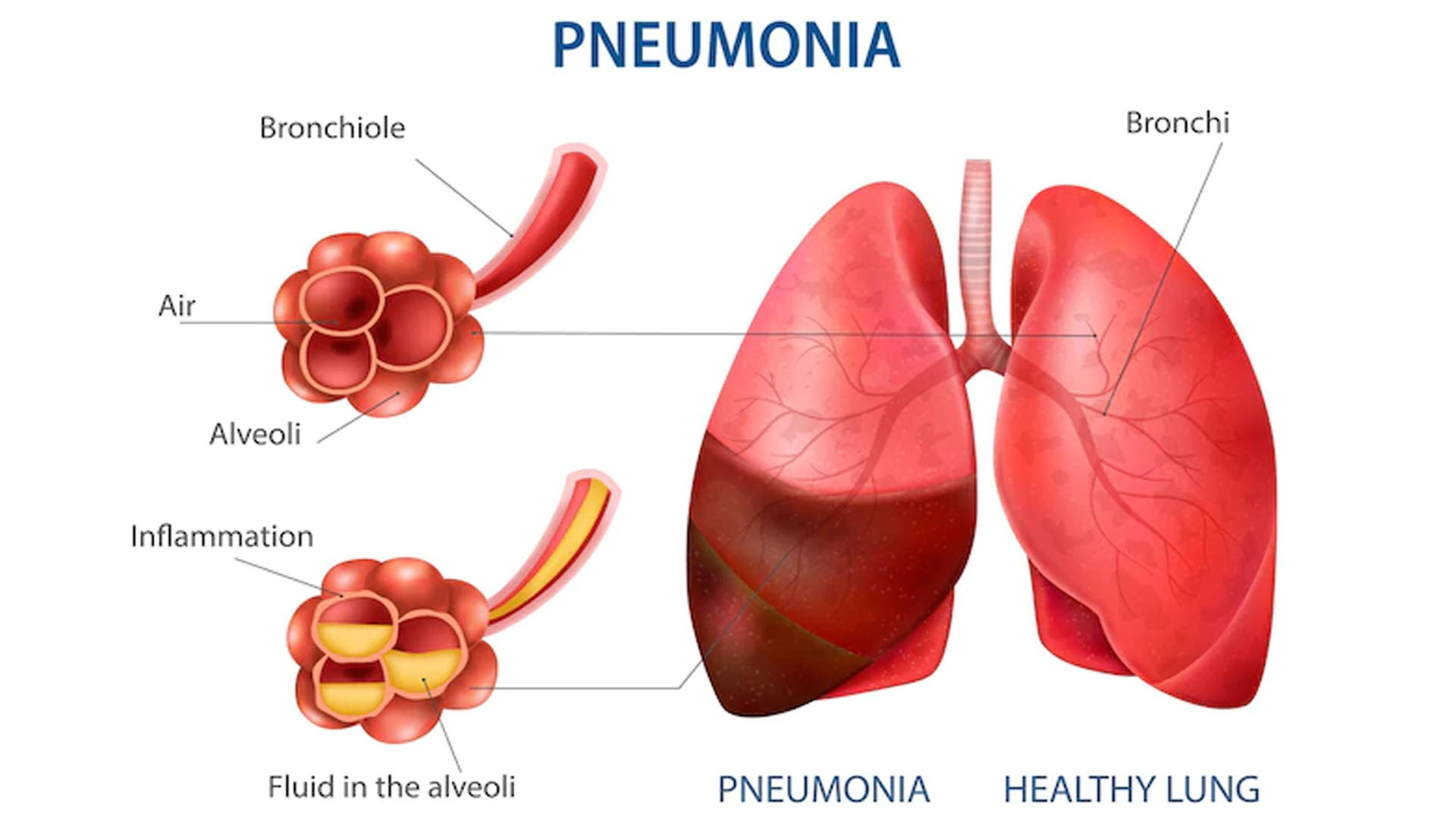
Anemia occurs when the number of red blood cells or hemoglobin is below normal, leading to diminished oxygen transport throughout the body. This condition can cause fatigue and weakness but may also go undetected without routine screening. Identifying its cause is key for effective treatment.
- Main symptoms include extreme tiredness, pale skin, dizziness, or shortness of breath during mild exertion.
- Anemia is diagnosed via a complete blood count (CBC) test that evaluates red blood cell counts and hemoglobin concentration levels in the bloodstream.
- Treatment varies based on the underlying cause but may involve dietary changes rich in iron or vitamin B12 supplements; sometimes medical interventions are necessary if it's related to other health issues;
- Your doctor will recommend a management plan involving regular follow-up appointments to monitor hemoglobin levels until stabilized; Pursuing treatment promptly ensures reduced risks of complications associated with anemia-related fatigue and other systemic effects on health;
CHOLESTEROL MANAGEMENT
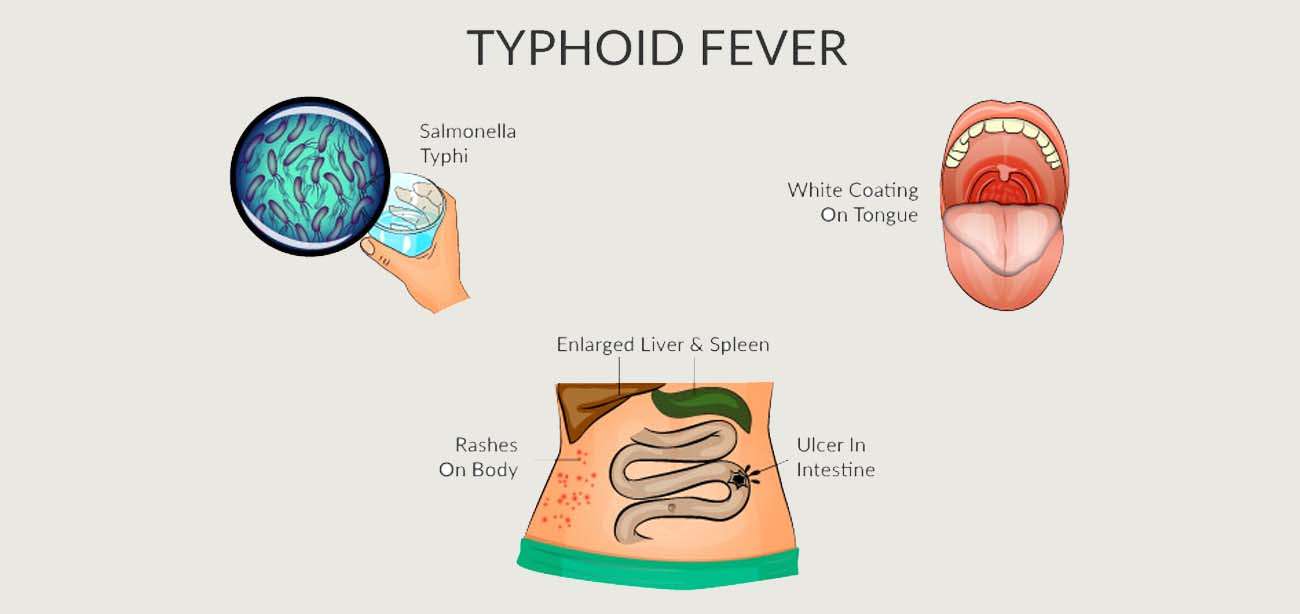
Abnormal cholesterol levels can increase the risk of cardiovascular diseases. Cholesterol itself is a waxy substance found in your body that’s essential for building cells but must be carefully managed. Understanding how to maintain healthy cholesterol levels is crucial for heart health.
- The primary symptoms of elevated cholesterol often go unnoticed; however, it may contribute to chest pain or heart attack in severe cases.
- A lipid panel test during an appointment measures total cholesterol, LDL (bad), HDL (good), and triglyceride levels for diagnosis.
- Treatment options include dietary changes aimed at reducing saturated fats intake along with statin medications if necessary.
- Lifestyle adjustments such as increased physical activity are encouraged to boost good cholesterol levels while lowering bad ones.
- Regular check-ups help track progress and effectively manage cholesterol levels over time for better heart health outcomes.
A proactive approach towards cholesterol management can significantly lower the risk of heart-related conditions in the future.
DIABETES MELLITUS
Diabetes Mellitus is a metabolic disorder characterized by high levels of glucose in the blood. It arises from either the pancreas not producing enough insulin or the body’s cells becoming resistant to insulin's effects. Early diagnosis and proper management are vital for preventing complications.
- Common symptoms include increased thirst, frequent urination, fatigue, and blurred vision.
- A diagnosis is usually confirmed through blood tests that measure glucose levels after fasting or during random checks.
- Treatment may involve lifestyle modifications such as dietary changes and regular exercise, along with medications including insulin therapy if required.
- Continuous monitoring of blood sugar levels helps patients manage their condition effectively over time.
- Regular follow-ups with healthcare professionals ensure that diabetes remains under control and complications are minimized.
With appropriate management strategies in place, individuals with diabetes can lead full and active lives.
HYPERTENSION
Hypertension, commonly known as high blood pressure, is a chronic condition that can lead to serious health issues if left untreated. It often goes unnoticed due to its lack of obvious symptoms. Regular monitoring and awareness are critical.
- Symptoms may include headaches, shortness of breath, or nosebleeds, although many individuals experience no symptoms at all.
- The diagnosis is typically made through routine blood pressure measurements taken during a visit to your healthcare provider.
- Treatment often includes lifestyle changes such as improved diet and exercise, along with medications like diuretics or ACE inhibitors.
- Management revolves around regular monitoring and maintaining a healthy lifestyle to keep blood pressure levels in check.
- What to expect: Patients will need ongoing assessments to adjust treatment plans as necessary and ensure optimal health outcomes.
Managing hypertension effectively can significantly reduce risks of heart disease and stroke, improving overall well-being.