
Dr Haresh Sahijwala
About Me
Dr Haresh Sahijwala
General Physician
Biography
My Clinic
OPD Hours
| Tuesday | Morning | 10:00 AM | - | 02:00 PM |
| Evening | 06:00 PM | - | 09:00 PM | |
| Wednesday | Morning | 10:00 AM | - | 02:00 PM |
| Evening | 06:00 PM | - | 09:00 PM | |
| Thursday | Morning | 10:00 AM | - | 02:00 PM |
| Evening | 06:00 PM | - | 09:00 PM | |
| Friday | Morning | 10:00 AM | - | 02:00 PM |
| Evening | 06:00 PM | - | 09:00 PM | |
| Saturday | Morning | 10:00 AM | - | 02:00 PM |
| Evening | 06:00 PM | - | 09:00 PM | |
| Sunday | Morning | 10:00 AM | - | 02:00 PM |
| Evening | 06:00 PM | - | 09:00 PM | |
| Thursday | Morning | 10:00 AM | - | 02:00 PM |
| Evening | 06:00 PM | - | 09:00 PM |
Treatments
Specialised care and treatments offered
GASTROESOPHAGEAL REFLUX DISEASE (GERD)
This chronic digestive disorder occurs when stomach acid frequently flows back into the esophagus resulting in discomfort commonly referred as acid reflux occurring after meals exacerbated by inflated stomach pressures sometimes distressing eaters involved alike!
. This emits an urgency especially observing overeating habits irregular absorption affecting pain preferences seeking first aid knowledge dissemination directed toward reducing frequency thereuponMild distress can escalate dramatically without adequate assistance detailing maintaining reduced meal sizes whilst keeping oneself active thereby limiting impact upon personal comfort level immediately after consumption thereof ! Your general physician would likely recommend dietary alterations supported possibly medicate better symptom regulation together building stable foundation leading healthier outcomes averting dangers posed untreated GERD could equally cause esophageal damage overtime advancing unforeseen risks decided upon prolongation timeline establishing necessity self-care practices sand occurences mustn’t linger long enough before intervention warranted creating awareness patients’ responses building efficacy efficacious strategies going forward!- = response elements computed illegally
THYROID DISORDERS

The thyroid gland plays an integral role in regulating metabolism through hormone production. Disorders such as hypothyroidism (underactive thyroid) or hyperthyroidism (overactive thyroid) can significantly affect bodily functions if left unchecked.
- Symptoms : Symptoms vary based on the disorder; hypothyroidism often leads fatigue , weight gain , cold intolerance while hyperthyroidism causes weight loss , rapid heartbeat , anxiety .
- Causes : Many factors contribute including autoimmune diseases like Hashimoto's thyroiditis for hypothyroidism & Graves' disease causing hyperthyroidism hereditary tendencies likewise play a role .
- Diagnosis : Blood tests measuring TSH (Thyroid Stimulating Hormone) alongside T3 & T4 hormone levels provide clarity regarding dysfunction present .
- Treatment : Treatment commonly involves medication; levothyroxine for hypothyroidism whereas antithyroid drugs might be prescribed based on hyperthyroid severity conditions requiring potential surgery exist too depending upon individual cases .
- What happens next: Once stabilized through treatment plans regular follow-ups ensure hormone levels remain optimal avoiding further complications down line .
ASTHMA MANAGEMENT
Asthma is a chronic respiratory condition characterized by inflammation of the airways leading to difficulty in breathing. It's essential for affected individuals to understand their triggers and how best to manage them effectively.
- Symptoms: Symptoms often include wheezing, shortness of breath, chest tightness, and coughing which may worsen at night or during exercise.
- Causes:: Various factors contribute including allergens (like pollen), environmental pollutants, respiratory infections, and even stress can exacerbate asthma symptoms..on
- The data provides insight into whether individual symptoms worsen in certain settings - identifying these could be important for effective treatment option discussions . After assessing your current situation , options such as inhalers , anti-inflammatories , or oral medications would likely be discussed .
- What this means : For long - term management , maintaining an open dialogue about control methods ensures less disruption from asthmatic episodes over time .
If you have asthma , seeking continuous support from experienced medical professionals enhances both knowledge base regarding personal triggers while improving quality of life on a daily basis .
CHOLESTEROL MANAGEMENT
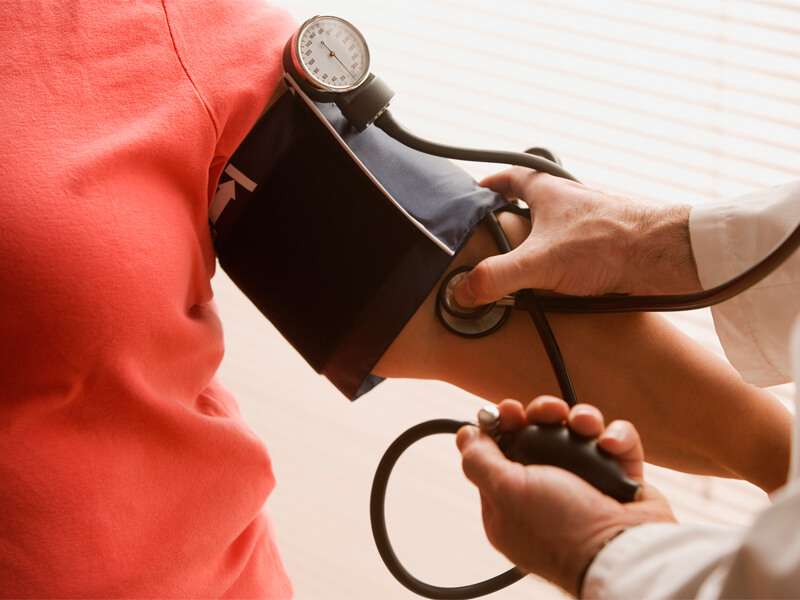
Elevated cholesterol levels can significantly increase the risk of heart disease. Understanding how cholesterol functions in the body is essential for better health outcomes. There are two main types: LDL (bad) cholesterol and HDL (good) cholesterol.
- Symptoms: High cholesterol typically does not present visible symptoms but increases the risk of heart attacks and strokes over time.
- Causes: Poor diet high in saturated fats, lack of physical activity, obesity, and genetics contribute to raised cholesterol levels.
- Diagnosis: A simple blood test called a lipid panel will assess your overall cholesterol level as part of routine check-ups.
- Treatment: Lifestyle modifications including dietary changes such as increasing fiber intake and engaging in regular exercise combined with medications may be recommended if necessary.
- What to expect: Regular follow-up appointments will help monitor progress towards achieving healthy cholesterol levels without risking cardiovascular health.
A proactive approach in managing your cholesterol can lead to improved vitality and reduce future health risks—consulting with a physician is highly advised for tailored advice based on individual needs.
DIABETES MANAGEMENT

Diabetes is a chronic disease that occurs when the body cannot properly regulate blood glucose levels. There are two main types: Type 1 diabetes and Type 2 diabetes. Effective management is crucial to prevent complications associated with this condition.
- Symptoms: Common symptoms include increased thirst, frequent urination, fatigue, and blurred vision.
- Causes: Genetics plays a significant role; however, lifestyle factors like poor diet and inactivity are major contributors to Type 2 diabetes.
- Diagnosis: A healthcare professional can confirm diabetes through blood tests measuring glucose levels during fasting or post meals.
- Treatment: Management often involves dietary changes, physical activity, monitoring blood sugar levels, and sometimes insulin therapy or oral medications for Type 2 diabetes.
- What to expect: With consistent care and dedication to lifestyle adjustments, individuals can lead healthy lives while effectively managing their condition.
If you’re living with diabetes or at risk of developing it, consult a physician for personalized management plans that suit your lifestyle best.
HYPERTENSION (HIGH BLOOD PRESSURE)
Hypertension, commonly known as high blood pressure, is a chronic medical condition that affects millions worldwide. It occurs when the force of blood against your artery walls is consistently too high, which can lead to serious health issues over time.
- Symptoms: Many people with hypertension may not experience noticeable symptoms. However, severe cases can lead to headaches, shortness of breath, or nosebleeds.
- Causes: Risk factors include obesity, sedentary lifestyle, excessive salt intake, and genetics.
- Diagnosis: Regular monitoring of blood pressure readings is essential for detection. A healthcare provider may use a sphygmomanometer to measure your blood pressure during routine visits.
- Treatment: Management includes lifestyle changes such as diet and exercise along with medications like diuretics or ACE inhibitors.
- What to expect: With appropriate management, many individuals can maintain normal blood pressure levels and reduce the risk of complications.
If you suspect you have hypertension or have been diagnosed with it, should seek guidance for effective management strategies and regular check-ups.