
Dr Hari Singh Sa
About Me
Dr Hari Singh Sa
MS
Orthopaedic Surgeons
10 Years Experience
Biography
My Clinic
OPD Hours
| Monday | Morning | 10:00 AM | - | 02:00 PM |
| Evening | 06:00 PM | - | 09:00 PM | |
| Tuesday | Morning | 10:00 AM | - | 02:00 PM |
| Evening | 06:00 PM | - | 09:00 PM | |
| Wednesday | Morning | 10:00 AM | - | 02:00 PM |
| Evening | 06:00 PM | - | 09:00 PM | |
| Thursday | Morning | 10:00 AM | - | 02:00 PM |
| Evening | 06:00 PM | - | 09:00 PM | |
| Friday | Morning | 10:00 AM | - | 02:00 PM |
| Evening | 06:00 PM | - | 09:00 PM | |
| Saturday | Morning | 10:00 AM | - | 02:00 PM |
| Evening | 06:00 PM | - | 09:00 PM | |
| Sunday | Morning | 10:00 AM | - | 02:00 PM |
| Evening | 06:00 PM | - | 09:00 PM |
Treatments
Specialised care and treatments offered
HIP BURSITIS LIFESTYLE ADJUSTMENTS
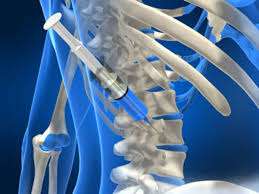
Hip bursitis refers to inflammation of fluid-filled sacs (bursae) cushioning bones around the hip joint which causes discomfort predominantly during movement.
- The principal manifestations encompass localized sharp pain at hip's side worsened upon walking or lying down on affected side.
- A clinical evaluation aided occasionally by ultrasound helps distinguish bursitis from similar conditions like arthritis.
- Lifestyle modifications including avoiding repetitive impact activities coupled with weight loss reduce mechanical stress relieving symptoms.
- An individualized exercise plan focusing on stretching tight muscles around hip maintains flexibility without aggravation.
- Pain relievers such as acetaminophen alongside cold therapy serve as adjunct treatments promoting recovery without surgical requirements.
This strategy targets symptom control through targeted lifestyle changes aiming for return of normal hip function whilst minimizing reliance on medication over time.
CARPAL TUNNEL SYNDROME NON-SURGICAL MANAGEMENT

Carpal tunnel syndrome occurs when the median nerve becomes compressed at the wrist level causing numbness, tingling, and weakness in the hand. Early intervention can prevent progression requiring surgery.
- The syndrome commonly presents with waking up due to hand numbness, difficulty performing fine motor tasks, and occasional hand weakness especially during repeated wrist motions.
- A clinical diagnosis supported by nerve conduction studies confirms nerve compression severity aiding treatment planning.
- Treatment pathways start with wrist splinting during night hours to keep the wrist neutral thereby reducing pressure on the median nerve.
- Additionally, activity modifications limiting repetitive wrist flexion combined with anti-inflammatory medications help alleviate symptoms initially.
TENNIS ELBOW (LATERAL EPICONDYLITIS) CARE

Tennis elbow involves irritation of the tendons attaching at the outer elbow due to repetitive wrist extension movements. It's common not only in athletes but also in professionals performing frequent hand tasks.
- The hallmark symptom is pain localized at the outer elbow exacerbated by gripping or lifting objects.
- Diagnosis relies mainly on clinical examination assessing tenderness over the lateral epicondyle; imaging is rarely needed unless other conditions are suspected.
- Treatment focuses on activity modification, use of braces/supports to reduce tendon strain, and application of ice packs during flare-ups.
- If pain persists, physiotherapy incorporating stretching and eccentric strengthening exercises is beneficial in promoting tendon healing.
- Surgery is typically reserved for refractory cases after exhaustive conservative management has failed over several months.
This condition responds well to early intervention emphasizing rest combined with tailored rehabilitation strategies for full symptom resolution in most patients.
CHRONIC LOWER BACK PAIN REHABILITATION

Chronic lower back pain is a widespread problem often linked to muscle strain, poor posture, or degenerative spinal changes. It impacts daily activities considerably if untreated.
- Common symptoms include persistent aching in the lumbar region, stiffness after rest, and discomfort that intensifies with prolonged sitting or lifting.
- A thorough assessment may involve physical testing for flexibility and strength alongside imaging studies to rule out serious pathology.
- Treatment emphasizes physical therapy aimed at core strengthening, ergonomic education, and gradual activity resumption to enhance spine stability.
- Pain management using heat application or prescribed medications supports rehabilitation progress without relying heavily on opioids or invasive procedures.
- Lifestyle modifications like weight control and smoking cessation contribute positively to recovery and prevention of flare-ups.
A comprehensive approach focusing on patient education empowers individuals to manage symptoms effectively while improving functional capacity over time.
ROTATOR CUFF TENDINITIS TREATMENT

The rotator cuff consists of muscles and tendons that support shoulder movement. Tendinitis in this area results from inflammation caused by repetitive motions or injury.
- This condition often presents with shoulder pain aggravated by lifting or overhead activities, accompanied by weakness or limited range of motion.
- A detailed physical exam along with imaging such as ultrasound or MRI aids in confirming inflammation versus tears.
- Mainstay treatment includes resting the shoulder, modifying activities that provoke symptoms, and applying ice to reduce inflammation.
- A rehabilitation program focusing on gentle stretching and strengthening exercises helps restore function gradually.
- If conservative measures are insufficient, corticosteroid injections or other interventions might be considered before surgical options are explored.
Addressing rotator cuff tendinitis early improves outcomes significantly by preventing chronic shoulder dysfunction and promoting healing through non-invasive methods.
OSTEOARTHRITIS MANAGEMENT

Osteoarthritis is a common joint condition characterized by cartilage wear and tear, leading to pain and reduced joint function. It primarily affects older adults but can impact anyone over time.
- Symptoms include joint stiffness, swelling, and a decreased range of motion, often worsening after activity.
- Diagnosis involves clinical evaluation supported by imaging techniques like X-rays to assess cartilage loss and bone changes.
- Treatment options prioritize lifestyle adjustments such as weight management, physical therapy focused on strengthening muscles around joints, and pain relief strategies.
- Non-surgical approaches may include the use of assistive devices, targeted exercises, and possibly medications like NSAIDs for inflammation control.
- Patients should expect gradual improvement with consistent management, although this condition typically requires long-term attention to maintain mobility and comfort.
The goal of managing osteoarthritis is to improve quality of life through symptom relief and enhanced joint function while postponing or avoiding surgery whenever possible.