
Dr Harihar Nath
About Me
Dr Harihar Nath
MS
Orthopaedic Surgeons
10 Years Experience
Biography
My Clinic
OPD Hours
| Monday | Morning | 10:00 AM | - | 02:00 PM |
| Evening | 06:00 PM | - | 09:00 PM | |
| Tuesday | Morning | 10:00 AM | - | 02:00 PM |
| Evening | 06:00 PM | - | 09:00 PM | |
| Wednesday | Morning | 10:00 AM | - | 02:00 PM |
| Evening | 06:00 PM | - | 09:00 PM | |
| Thursday | Morning | 10:00 AM | - | 02:00 PM |
| Evening | 06:00 PM | - | 09:00 PM | |
| Friday | Morning | 10:00 AM | - | 02:00 PM |
| Evening | 06:00 PM | - | 09:00 PM | |
| Saturday | Morning | 10:00 AM | - | 02:00 PM |
| Evening | 06:00 PM | - | 09:00 PM | |
| Sunday | Morning | 10:00 AM | - | 02:00 PM |
| Evening | 06:00 PM | - | 09:00 PM |
Treatments
Specialised care and treatments offered
HIP REPLACEMENT SURGERY
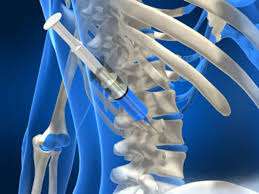
This procedure involves replacing damaged hip joints with artificial implants when conventional treatments fail to alleviate severe arthritis pain or restore mobility. It's very effective in improving quality of life for those suffering chronic hip issues.
- Indications : Most commonly indicated for arthritis advancement leading to debilitating symptoms such as severe joint inflammation or discomfort during movement.
- Diagnosis : Imaging studies like X-rays visualize joint wear while comprehensive evaluations ascertain conservative treatments’ effectiveness prior to considering surgery.
- Surgical technique : During surgery, skilled surgeons replace parts of your hip joint using metal prosthetic components ensuring enhanced stability.
Post-operative recovery necessitates rehabilitation focusing on gradual mobilization strategies towards restoring pre-surgery functionality.
ACHILLES TENDON RUPTURE
An Achilles tendon rupture is a severe injury where this critical tendon pulls away from its attachment at the heel bone. It typically occurs during sports involving quick pivots or accelerations.
- Symptoms : Patients report a sudden sharp pain at the back of the ankle along with a popping sound; walking becomes difficult immediately following injury.
- Diagnoses : A physical exam focuses on tenderness around the heel while imaging tests help confirm rupture extent.
- Treatment options : Early management may involve non-surgical methods like immobilization; however, surgery might be required for complete ruptures.
Recovery demands consistent physical therapy aimed at rebuilding strength and flexibility post-surgery.
TENNIS ELBOW (LATERAL EPICONDYLITIS)

Tennis elbow is characterized by pain on the outer part of the elbow caused by overuse. It’s not limited to tennis players but affects anyone engaging in repetitive arm movements.
- Causes: The condition develops due to tiny tears in tendons caused by repetitive gripping actions or heavy lifting over time.
- Symptoms: Common symptoms include elbow pain when lifting items, weakness in grip strength, and discomfort radiating down the forearm.
- Diagnosis: Diagnosis involves clinical evaluation alongside assessments such as MRI if necessary to rule out other conditions.
The treatment approach combines rest with physical therapy techniques aimed at rehabilitating the elbow for restored function without pain.
FRACTURE MANAGEMENT

Fractures are breaks in bones resulting from trauma or stress. They require prompt assessment to ensure proper healing and function restoration.
- Common causes: Fractures can result from falls, accidents, or sports injuries, with varying levels of severity based on force applied.
- Diagnosis: Evaluation includes a detailed history of the incident alongside X-rays or CT scans for visual confirmation of the fracture type.
- Treatment options: Treatment may involve immobilization with casts or splints for minor fractures or surgical intervention for complex cases requiring alignment with pins or plates.
Adhering to treatment plans facilitates full recovery while mitigating complications associated with fractures.
ROTATOR CUFF INJURY

A rotator cuff injury involves tears or inflammation of the muscles and tendons that stabilize the shoulder. It’s a prevalent condition among athletes and individuals performing repetitive overhead activities.
- Causes: Injuries can be acute from falls or chronic due to repetitive strain over time.
- Symptoms: Key indicators include shoulder pain, weakness in lifting objects, and limited range of motion.
- Diagnosis: Doctors use physical examinations complemented by imaging studies like MRIs to assess damage levels.
- Treatment options: Approaches range from conservative methods such as ice therapy and medications to surgical repair in severe cases.
Catching these injuries early allows for better management and restoration of function in daily life.
ANTERIOR CRUCIATE LIGAMENT (ACL) TEAR

An ACL tear is a common knee injury that often occurs during sports activities, leading to instability and pain. This ligament plays a crucial role in stabilizing the knee joint.
- Symptoms: Patients typically experience sudden pain, swelling, and difficulty bearing weight on the affected leg.
- Diagnosis: A physical examination and MRI are key to confirming an ACL tear.
- Treatment options: Management may include physical therapy, bracing, or surgical reconstruction depending on the severity of the tear.
- What to expect: Post-treatment, rehabilitation is essential for restoring strength and motion; most patients can return to their activities after thorough recovery.
If you suspect an ACL injury, seeking timely medical attention can significantly improve outcomes.