
Dr Harinarayan Gu
About Me
Dr Harinarayan Gu
MS
Urologists
10 Years Experience
Biography
My Clinic
OPD Hours
| Monday | Morning | 10:00 AM | - | 02:00 PM |
| Evening | 06:00 PM | - | 09:00 PM | |
| Tuesday | Morning | 10:00 AM | - | 02:00 PM |
| Evening | 06:00 PM | - | 09:00 PM | |
| Wednesday | Morning | 10:00 AM | - | 02:00 PM |
| Evening | 06:00 PM | - | 09:00 PM | |
| Thursday | Morning | 10:00 AM | - | 02:00 PM |
| Evening | 06:00 PM | - | 09:00 PM | |
| Friday | Morning | 10:00 AM | - | 02:00 PM |
| Evening | 06:00 PM | - | 09:00 PM | |
| Saturday | Morning | 10:00 AM | - | 02:00 PM |
| Evening | 06:00 PM | - | 09:00 PM | |
| Sunday | Morning | 10:00 AM | - | 02:00 PM |
| Evening | 06:00 PM | - | 09:00 PM |
Treatments
Specialised care and treatments offered
MALE INFERTILITY EVALUATION
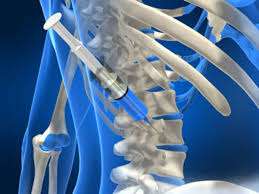
Male infertility affects numerous couples trying to conceive. Understanding male fertility factors is vital since they play an equally important role in reproductive health alongside female fertility considerations。
- Common issues impacting male fertility include hormonal imbalances、 structural abnormalities、 genetic factors、 infections、 exposure to environmental toxins、 among others。
- A comprehensive evaluation typically begins with taking a detailed medical history before conducting semen analysis aimed at examining sperm shape、 motility、 count, alongside hormone level assessments through bloodwork。
- Treatment plans depend on diagnosis results; they could involve lifestyle adjustments like diet enhancement, stress reduction measures, medications aimed at addressing underlying hormonal issues【xs】on surgical interventions targeting anatomical problems causing infertility【/xs】。
Pursuing thorough evaluations aids couples by identifying potential barriers hence potentially increasing chances towards successful conception through directed treatments designed for optimal outcomes.【/ p >
OVERACTIVE BLADDER TREATMENT

An overactive bladder is characterized by sudden urges to urinate that may lead to involuntary leakage. This condition often affects older adults but can occur at any age due to various underlying reasons.
- Certain
ERECTILE DYSFUNCTION THERAPY

Erectile dysfunction (ED) is a prevalent issue affecting many men at varying ages. It results in persistent difficulty achieving or maintaining an erection suitable for sexual activity.
- The causes of ED can range from psychological factors such as anxiety to physiological issues including cardiovascular disease or diabetes.
- A detailed assessment typically encompasses a medical history review alongside physical examination. Blood tests might also be performed to evaluate hormone levels or underlying health conditions affecting erectile function.
- Treatment options are varied; they may include oral medications known as PDE5 inhibitors (like Viagra), vacuum erection devices for mechanical assistance, or penile injections that enhance blood flow directly into the penis when needed.
Pursuing treatment for ED not only improves sexual health but also enhances overall well-being and intimate relationships for those affected by this condition.
BENIGN PROSTATIC HYPERPLASIA (BPH) TREATMENT

Benign Prostatic Hyperplasia is a common condition seen as men age, characterized by an enlarged prostate gland. It may lead to uncomfortable urinary symptoms but is generally non-cancerous.
- This condition can result in symptoms such as difficulty starting urination, weak stream strength, or frequent urination at night (nocturia).
- A comprehensive diagnosis includes medical history evaluation, physical exams like digital rectal exams (DRE), and symptom questionnaires.
- Treatment approaches vary widely; options include lifestyle modifications like fluid management or medications that relax prostate muscles. In certain cases where medication isn't effective, minimally invasive procedures, including laser therapy or transurethral resection of the prostate (TURP), may be considered.
With proper treatment planning and discussion with healthcare providers, many men experience significant relief from BPH-related symptoms.
URINARY INCONTINENCE MANAGEMENT

Urinary incontinence refers to the involuntary loss of urine, which can significantly impact daily life. This condition is often underreported yet highly manageable with proper care.
- Common causes include pelvic floor weakness, urinary tract infections, or neurological conditions affecting bladder control.
- A thorough diagnosis includes bladder diaries, assessments of voiding habits, and urodynamic studies to measure bladder function.
- Treatment options may involve pelvic floor exercises (Kegel exercises), medications to improve bladder control, or interventions such as sling procedures for more persistent cases.
- Patients can expect a tailored management plan that addresses their specific needs and lifestyle preferences for optimal outcomes.
Understanding causes and management strategies empowers individuals dealing with urinary incontinence to reclaim their quality of life.
KIDNEY STONE TREATMENT

Kidney stones are hard deposits made of minerals and salts that form inside your kidneys. They can cause severe pain and discomfort as they pass through the urinary tract.
- Symptoms may include intense pain in the side, back, or lower abdomen, blood in urine, and frequent urination.
- Diagnosis involves a combination of physical examinations, imaging tests such as X-rays or ultrasounds, and urinalysis.
- Treatment options range from increased fluid intake and pain management to procedures like lithotripsy, which breaks down stones using sound waves, or surgical removal in more severe cases.
- After treatment, follow-up care is essential to prevent recurrence; dietary changes may be recommended based on stone composition.
With appropriate management and lifestyle adjustments, many patients can effectively manage kidney stones and reduce the risk of future occurrences.