
Dr Harish Khana
About Me
Dr Harish Khana
MD
Cardiologist
10 Years Experience
Biography
My Clinic
OPD Hours
| Monday | Morning | 10:00 AM | - | 02:00 PM |
| Evening | 06:00 PM | - | 09:00 PM | |
| Tuesday | Morning | 10:00 AM | - | 02:00 PM |
| Evening | 06:00 PM | - | 09:00 PM | |
| Wednesday | Morning | 10:00 AM | - | 02:00 PM |
| Evening | 06:00 PM | - | 09:00 PM | |
| Thursday | Morning | 10:00 AM | - | 02:00 PM |
| Evening | 06:00 PM | - | 09:00 PM | |
| Friday | Morning | 10:00 AM | - | 02:00 PM |
| Evening | 06:00 PM | - | 09:00 PM | |
| Saturday | Morning | 10:00 AM | - | 02:00 PM |
| Evening | 06:00 PM | - | 09:00 PM | |
| Sunday | Morning | 10:00 AM | - | 02:00 PM |
| Evening | 06:00 PM | - | 09:00 PM |
Treatments
Specialised care and treatments offered
BLOOD PRESSURE MONITORING

Regular blood pressure monitoring is vital for detecting hypertension – a major risk factor for cardiovascular diseases including stroke and heart attack. Tracking readings over time informs clinical decisions effectively.
- symptoms/causes: High blood pressure often presents without symptoms yet can cause damage silently over years if untreated. lit
- diagnosis: Measurement involves cuff devices either manual sphygmomanometer or automated monitors providing systolic/diastolic values. lit
- treatment/management: Lifestyle changes combined with medications help control readings preventing adverse events. lit
- what t expect: Periodic checks during doctor's visits supplemented sometimes by home monitoring ensure accurate assessment of therapy success. lit
CORONARY ANGIOGRAPHY
This invasive imaging technique provides detailed visualization of coronary arteries using contrast dye and X-ray technology. It identifies blockages affecting blood supply to the heart muscle directly.
- S m ptom /C u es: This examination remains a gold standard for accurately diagnosing coronary artery disease enabling prompt therapeutic action to reduce complications.
HOLTER MONITORING
A Holter monitor is a portable device worn typically over 24-48 hours that records continuous ECG data during everyday activities. It detects intermittent arrhythmias that standard tests might miss.
- Symptoms/Causes:
STRESS TEST (EXERCISE TREADMILL TEST)
The Stress Test evaluates the heart's response under physical exertion. By monitoring ECG changes during exercise, it helps uncover coronary artery disease that may not appear at rest.
- Symptoms/Causes: Used when patients report chest discomfort during activity or have risk factors like high blood pressure or diabetes.
- Diagnosis: The patient walks on a treadmill while vital signs and ECG are continuously recorded to detect abnormal patterns indicating restricted blood flow.
- Treatment/Management: Results determine if further procedures like angiography are needed or if lifestyle modifications suffice.
- What to Expect: The test lasts around 15-20 minutes beyond baseline measurement; mild fatigue may occur but it is generally safe with medical supervision throughout.
This test plays a crucial role in identifying hidden heart issues early and tailoring preventive care plans accordingly.
ECHOCARDIOGRAPHY
Echocardiography uses ultrasound waves to create detailed images of the heart's structure and function. It helps evaluate how well the heart pumps blood and identifies abnormalities in valves or chambers.
- Symptoms/Causes: Recommended for patients with murmurs, shortness of breath, or suspected valve disease.
- Diagnosis: The ultrasound probe on the chest wall visualizes cardiac anatomy in real time.
- Treatment/Management: Findings assist in planning surgical interventions or optimizing medical therapy for conditions like valve disorders or cardiomyopathies.
- What to Expect: This safe and painless procedure takes approximately 30-45 minutes and requires no special preparation.
Echocardiography provides comprehensive cardiac assessment that guides effective treatment strategies tailored to individual needs.
ELECTROCARDIOGRAM (ECG)
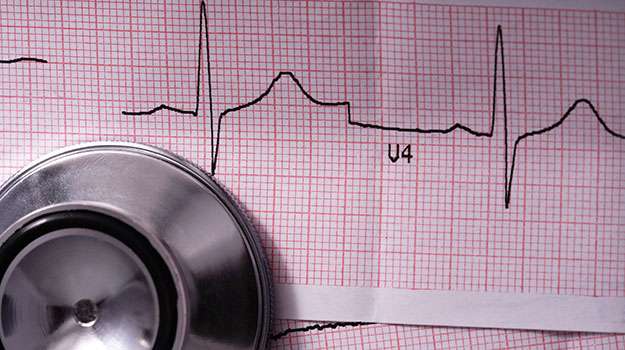
An Electrocardiogram (ECG) is a fundamental diagnostic tool used to assess the electrical activity of the heart. It provides critical insights into heart rhythm, rate, and other key cardiac functions.
- Symptoms/Causes: Often performed when patients experience chest pain, palpitations, dizziness, or unexplained fainting.
- Diagnosis: The ECG records electrical signals through electrodes placed on the skin to detect arrhythmias, ischemia, or heart attacks.
- Treatment/Management: Results guide treatment plans such as medication adjustments or further testing like stress tests or echocardiograms.
- What to Expect: The procedure is quick, painless, non-invasive, lasting about 5-10 minutes with immediate results interpreted by cardiologists.
This simple test is essential for detecting many cardiac conditions early and monitoring ongoing heart health effectively.