
Dr Harish Naik
About Me
Dr Harish Naik
Neurologist
Biography
My Clinic
OPD Hours
| Tuesday | Morning | 10:00 AM | - | 02:00 PM |
| Evening | 06:00 PM | - | 09:00 PM | |
| Wednesday | Morning | 10:00 AM | - | 02:00 PM |
| Evening | 06:00 PM | - | 09:00 PM | |
| Thursday | Morning | 10:00 AM | - | 02:00 PM |
| Evening | 06:00 PM | - | 09:00 PM | |
| Friday | Morning | 10:00 AM | - | 02:00 PM |
| Evening | 06:00 PM | - | 09:00 PM | |
| Saturday | Morning | 10:00 AM | - | 02:00 PM |
| Evening | 06:00 PM | - | 09:00 PM | |
| Sunday | Morning | 10:00 AM | - | 02:00 PM |
| Evening | 06:00 PM | - | 09:00 PM | |
| Thursday | Morning | 10:00 AM | - | 02:00 PM |
| Evening | 06:00 PM | - | 09:00 PM |
Treatments
Specialised care and treatments offered
NEUROPATHIC PAIN

This form of chronic pain arises from damage or dysfunction within the nervous system itself rather than from injury alone. Neuropathic pain can manifest due various underlying conditions including diabetes or spinal cord injuries leading to significant discomfort impacting day-to-day living! Early identification optimizes therapeutic success chances greatly
- Common presentations might involve burning sensations tinged alongside numbness/tingling which could become persistent over extended periods
- Diagnosis considers comprehensive patient histories coupled often with diagnostic imaging helping elucidate root causes contributing towards this complex entity
- Treatment pathways usually necessitate multimodal approaches incorporating medications like gabapentin tailored cautiously based each individual's symptom profile whilst engaging alternative interventions ranging physical therapy modalities
No matter how challenging it gets collaborating closely clinician ensures patients equipped best possible resources combatting hurdles navigating their lives
PARKINSON'S DISEASE
This progressive neurological disorder affects movement control due to degeneration of dopamine-producing neurons. Patients commonly experience tremors, rigidity, bradykinesia (slowness), and postural instability among other motor symptoms. Understanding Parkinson's Disease allows for better support systems for affected individuals throughout their journey!
- Evolving signs may start subtly but gradually worsen over time; early recognition leads toward timely intervention!
- Diagnosis usually involves clinical examination alongside assessment of medical history; there are no specific tests available directly confirming Parkinson’s
- Management often encompasses medication regimes like levodopa coupled with supportive therapies addressing physical challenges encountered
- Patients benefit from multidisciplinary approaches encompassing physiotherapy along psychosocial support services targeting mental well-being too!
- Living well demands proactive engagement even amid complications; lifestyle adaptations complement standard treatments effectively benefiting overall health outcomes!
A robust support network empowers those navigating Parkinson’s disease allowing them sustained independence over time
MIGRAINE
Migraine is characterized by recurrent headaches that can cause intense throbbing or pulsing sensations often accompanied by nausea or sensitivity to light and sound. These debilitating episodes can severely disrupt daily life if not effectively addressed. Recognizing migraine patterns contributes greatly to successful management!
- The common symptoms include pulsating pain usually localized on one side of the head along with potential aura phenomena prior to headache onset!
- Diagnosis primarily relies on patient history assessments since there are no definitive tests specifically for migraines!
- Treatment includes acute medications taken during an attack as well as preventative options aimed at reducing frequency through lifestyle changes and pharmacological approaches!
- Identifying triggers such as certain foods or stress can also play a valuable role in management strategies
- Regular follow-up consultations allow adjustments in treatment plans tailored specifically towards individual needs
Effectively managing migraines requires an informed approach combining both immediate relief measures alongside long-term strategies
MULTIPLE SCLEROSIS (MS)
Multiple Sclerosis (MS) is a chronic condition affecting the central nervous system where the immune system attacks the protective myelin sheath around nerve fibers. This disruption can lead to a wide variety of neurological symptoms that fluctuate over time. Understanding MS is key for patients and their families as they navigate this condition.
- The hallmark symptoms may include fatigue, vision problems, muscle weakness, and issues with coordination or balance!
- Diagnosis often involves MRI scans showing lesions on the brain or spine accompanied by clinical evaluations from a neurologist.
- Treatment typically focuses on disease-modifying therapies aimed at reducing flare-ups and managing symptoms effectively through various medications.
- Supportive therapies such as physical therapy and counseling play an important role in enhancing quality of life for those affected by MS!
- Coping strategies also help manage emotional challenges associated with this unpredictable condition.
A thorough understanding combined with appropriate treatment fosters better management of Multiple Sclerosis over time!
SEIZURE DISORDERS
Seizure disorders encompass a range of neurological conditions characterized by abnormal electrical activity in the brain. They can manifest in various forms and may significantly impact daily life if not properly managed. Understanding these conditions is necessary for effective treatment.
- Symptoms often include convulsions, loss of consciousness, or unusual sensations and behaviors depending on the seizure type.
- Diagnosis generally involves EEG testing along with a thorough medical history evaluation to identify underlying causes.
- Treatment options include antiepileptic medications as well as lifestyle modifications aimed at minimizing triggers.
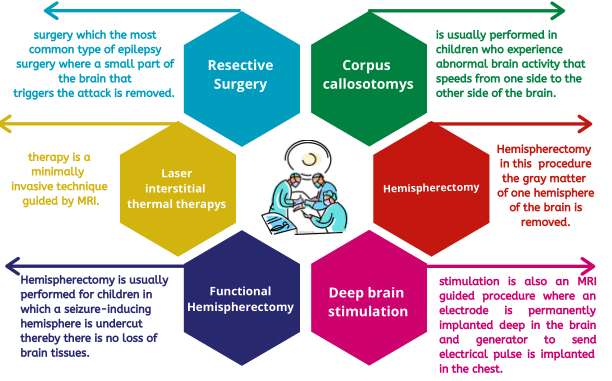
- In some cases, surgical interventions may be recommended for refractory seizures that do not respond to medication.
- Ongoing monitoring is essential; regular follow-ups help manage medication effectiveness and side effects.
A comprehensive approach enables individuals with seizure disorders to lead fulfilling lives while minimizing disruptions caused by seizures.
STROKE
Stroke is a medical emergency that occurs when blood flow to the brain is disrupted. This can result in significant damage to brain tissues, leading to varying degrees of functional impairment. Immediate recognition of symptoms and rapid treatment are crucial for optimizing recovery.
- Common symptoms include sudden numbness or weakness, particularly on one side of the body, confusion, and difficulty speaking or understanding.
- Diagnosis typically involves imaging studies such as CT or MRI scans to determine the type and severity of the stroke.
- Treatment focuses on restoring blood flow, which may involve medications like thrombolytics, and sometimes surgical interventions.
- Rehabilitation therapies are essential post-stroke to regain lost functions, involving physical, occupational, and speech therapy.
- Potential long-term effects can range from mild to severe disability; ongoing management is often required.
Timely intervention can greatly affect outcomes, making awareness of stroke symptoms vital for everyone.