
Dr Harsh Shah
About Me
Dr Harsh Shah
Dermatologist
Biography
My Clinic
OPD Hours
| Tuesday | Morning | 10:00 AM | - | 02:00 PM |
| Evening | 06:00 PM | - | 09:00 PM | |
| Wednesday | Morning | 10:00 AM | - | 02:00 PM |
| Evening | 06:00 PM | - | 09:00 PM | |
| Thursday | Morning | 10:00 AM | - | 02:00 PM |
| Evening | 06:00 PM | - | 09:00 PM | |
| Friday | Morning | 10:00 AM | - | 02:00 PM |
| Evening | 06:00 PM | - | 09:00 PM | |
| Saturday | Morning | 10:00 AM | - | 02:00 PM |
| Evening | 06:00 PM | - | 09:00 PM | |
| Sunday | Morning | 10:00 AM | - | 02:00 PM |
| Evening | 06:00 PM | - | 09:00 PM | |
| Thursday | Morning | 10:00 AM | - | 02:00 PM |
| Evening | 06:00 PM | - | 09:00 PM |
Treatments
Specialised care and treatments offered
HYPERPIGMENTATION
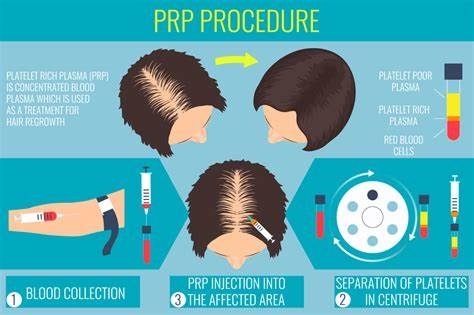
This condition occurs when certain patches of skin become darker than the surrounding areas due to excess melanin production. It often presents itself through brown spots on various body parts including the face hands neck etc...
- Symptoms include uneven skin tone freckles age spots melasma post-inflammatory hyperpigmentation caused by previous injuries etc...
- Potential causes range widely from sun exposure hormonal changes pregnancy certain medications even genetics plays pivotal roles too...
- Diagnosis focuses mainly upon clinical assessments sometimes requiring biopsies if further exploration needed into other underlying issues might arise…
- Treatment often begins conservatively utilizing topical lightening agents chemical peels laser therapies alongside sunscreen usage diligently throughout daily routines remaining essential prevent further occurrences altogether!
ROSACEA
This common facial condition primarily affects the central portion of the face resulting in redness or visible blood vessels. Rosacea often occurs in cycles with intermittent flair ups that can last for weeks or months before subsiding completely!
- Main symptoms encompass persistent facial redness along with small red bumps resembling acne outbreaks without actual presence of blackheads!
- Certain triggers—like spicy foods or extreme temperatures—can exacerbate this condition considerably; identifying these will aid management greatly!
Treatment options vary from topical agents targeting inflammation/irritation to laser therapy aiming at redness reduction overall too...This knowledge empowers individuals experiencing rosacea toward refining approaches regarding symptom alleviation successfully!
SKIN CANCER SCREENING
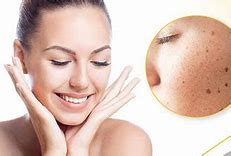
Regular screenings for skin cancer are vital for early detection and treatment. Skin cancers often develop from UV exposure over time but can also arise without excessive sun exposure.
- A typical screening involves checking all areas of the skin for unusual moles or growths; patients should report any changes they observe themselves as well.
- The two primary types are basal cell carcinoma and melanoma—knowing your risk factors helps target prevention strategies effectively!
- Dermatologists utilize dermatoscopes during screenings for clearer visualization of moles changing in color or shape over time.
Pursuing proactive measures like regular skin examinations enhances early detection rates significantly!
PSORIASIS
This chronic autoimmune condition manifests through red patches covered with thick silvery scales. While its exact origin is complex, it's understood as an immune system disorder that accelerates skin cell growth.
- Symptoms typically include dry skin that often itches or burns in affected areas.
- The trigger factors can range from stress to infections or even certain medications you might be taking.
- Diagnosing psoriasis generally includes examining the rash; sometimes a biopsy is needed if confusion with other conditions arises.
- Treatment options involve topical treatments, phototherapy, and systemic medications for moderate to severe cases designed to slow down cell turnover.
Being informed about psoriasis supports better management strategies aimed at minimizing flares and enhancing comfort levels in daily life.
ECZEMA
Eczema is a chronic inflammatory skin condition characterized by dry, itchy patches. It affects both children and adults and can significantly impact quality of life due to discomfort.
- Common symptoms are redness, itchiness, swelling, and dry skin.
- The exact cause remains unclear but is believed to stem from genetic factors and environmental triggers such as allergens.
- A diagnosis usually involves a physical examination along with a review of medical history to identify potential triggers.
- Management includes moisturizers, topical steroids, and anti-itch medications to alleviate symptoms.
- In some instances, phototherapy or systemic medications may be required for more severe cases.
Understanding eczema can empower patients in managing flare-ups effectively while improving their overall well-being.
ACNE
Acne is one of the most common skin conditions, affecting individuals of all ages. It typically presents as pimples, blackheads, or cysts and can cause significant emotional distress.
- Symptoms include the appearance of lesions on the face, back, and shoulders that may be inflamed or not.
- The condition is often triggered by hormonal changes, stress, and certain medications.
- Diagnosis primarily involves a visual examination by a physician and may include imaging if severe scarring is present.
- Treatment options vary widely and can include topical retinoids, oral antibiotics, and lifestyle adjustments.
- Persistent cases may require advanced therapies like chemical peels or laser treatments.
Understanding acne and its management is crucial for effective treatment and maintaining skin health.