
Dr HarshadaMS-
About Me
Dr HarshadaMS-
MD
Dermatologist
Biography
My Clinic
OPD Hours
| Monday | Morning | 10:00 AM | - | 02:00 PM |
| Evening | 06:00 PM | - | 09:00 PM | |
| Tuesday | Morning | 10:00 AM | - | 02:00 PM |
| Evening | 06:00 PM | - | 09:00 PM | |
| Wednesday | Morning | 10:00 AM | - | 02:00 PM |
| Evening | 06:00 PM | - | 09:00 PM | |
| Thursday | Morning | 10:00 AM | - | 02:00 PM |
| Evening | 06:00 PM | - | 09:00 PM | |
| Friday | Morning | 10:00 AM | - | 02:00 PM |
| Evening | 06:00 PM | - | 09:00 PM | |
| Saturday | Morning | 10:00 AM | - | 02:00 PM |
| Evening | 06:00 PM | - | 09:00 PM | |
| Sunday | Morning | 10:00 AM | - | 02:00 PM |
| Evening | 06:00 PM | - | 09:00 PM |
Treatments
Specialised care and treatments offered
SKIN AGING
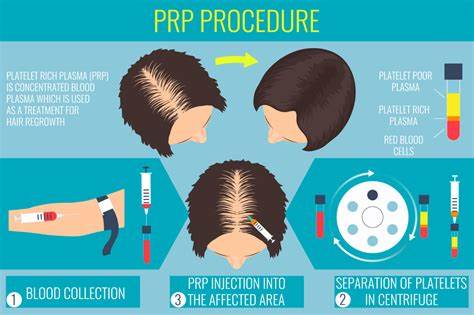
The natural aging process affects our skin's elasticity and moisture levels over time leading to wrinkles, fine lines, sagging skin among other signs. Understanding how these changes develop fosters better proactive care choices!
- Symptoms encompass dryness along with thinning epidermis which causes visibility of underlying blood vessels enhancing appearance overall wrinkle formation!
- Diagnosis occurs mainly through visual assessments noting environmental factors influencing aging patterns across individual skins distinctively!
- Management strategies typically include daily use moisturizers while implementing antioxidants targeting oxidative damage alongside regular dermatologist examinations !!
- Avoiding habits like smoking combined implementing sun protection aids tremendously reducing accelerated signs related aging outright quickly!!
- While total reversal isn't feasible appropriate lifestyle interventions yield positive outcomes helping maintain youthful binds relatively easily upon implementation!!
Investing efforts today aligns good skincare principles greatly enhancing quality life tomorrow too !!
HYPERPIGMENTATION
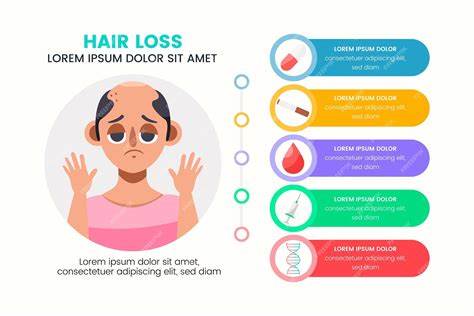
This condition results from excess melanin production leading to darkened patches on the skin. Hyperpigmentation can occur due to various factors including sun exposure or hormonal changes during pregnancy!
- The primary symptoms involve unevenly colored patches that appear darker than surrounding skin tones; these are often most pronounced on sun-exposed areas!
- Diagnosis is made through visual examination by a dermatologist who identifies characteristic features; sometimes biopsies are conducted if other disorders are suspected!
- Treatment includes topical agents like hydroquinone or retinoids aimed at lightening pigmented areas alongside protecting against sun exposure!
- Incorporating sunscreen into daily routines significantly contributes toward preventing further darkening!
- With consistent use of prescribed treatments alongside preventive measures most individuals see improvement over several months!
Proactive steps taken now can ensure healthier looking long-term results for your complexion !
ROSACEA
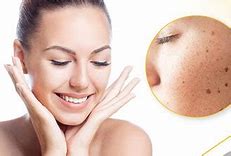
This chronic facial skin disorder leads to flushing or rash on prominent facial features. Rosacea often develops gradually but varies significantly among individuals concerning its severity and triggers.
- The most common symptoms include persistent redness in the central part of the face along with visible blood vessels; some may experience acne-like bumps as well.
- The diagnosis is primarily clinical based on observed signs rather than specific tests. Symptom patterns help distinguish it from other conditions such as acne or dermatitis.
- Treatment plans might involve lifestyle adjustments along with topical treatments like azelaic acid or oral antibiotics for moderate-to-severe cases!
- Avoidance of known triggers such as extreme temperatures or spicy foods plays a key role in managing rosacea effectively over time!
- While there is no cure for rosacea yet, effective management strategies can lead to significant symptom relief overall!
A proactive approach helps keep rosacea under control so you feel more comfortable in your own skin!
ECZEMA (ATOPIC DERMATITIS)
Eczema is characterized by dry, itchy skin that can become inflamed and irritated. This chronic condition is often linked to allergies or asthma and may begin in childhood but can persist into adulthood.
- The primary symptoms include intense itching, redness, and sensitivity in affected areas which might crack or weep when scratched excessively.
- Diagnosis usually relies on clinical evaluation of the patient’s history and symptoms; allergy testing may also be recommended to identify triggers.
- Treatment focuses on moisturizing regularly using emollients and applying corticosteroid creams during flare-ups to alleviate inflammation.
- Avoiding known allergens and irritants is crucial for managing this condition effectively over time.
- Persistent care helps many individuals maintain clear skin and reduce the frequency of flare-ups significantly.
Your understanding of eczema paves the way for better management techniques at home.
PSORIASIS
This chronic autoimmune condition leads to rapid skin cell production, resulting in thick patches of red, inflamed skin covered with silvery-white scales. Psoriasis can fluctuate in severity and may affect various areas of the body.
- The most noticeable symptoms are raised areas of red skin covered with silvery scales, often accompanied by itching or pain.
- Diagnosis generally involves a physical examination; in some cases, a biopsy may be needed to confirm the condition.
- Treatment typically includes topical therapies like corticosteroids or vitamin D analogs, as well as phototherapy for more extensive cases.
- A holistic approach may involve lifestyle changes such as stress management and dietary modifications to help reduce flare-ups.
- Improvement can vary; however, with effective management strategies in place, many patients experience significant relief from symptoms.
Understanding psoriasis can empower patients to manage their condition effectively.
ACNE VULGARIS
Acne vulgaris is a common skin condition that affects many individuals, particularly during adolescence and young adulthood. It results from the clogging of hair follicles with oil and dead skin cells.
- Symptoms include the presence of pimples, blackheads, and cysts primarily on the face, chest, and back.
- Diagnosis is typically made through physical examination; sometimes, additional tests may be necessary to rule out other skin conditions.
- Treatment options include topical retinoids, benzoyl peroxide, and oral medications such as antibiotics or hormonal treatments for severe cases.
- Management also involves adopting a gentle skincare routine and avoiding known irritants to minimize flare-ups.
- Patients can expect gradual improvement in their skin condition over weeks to months with consistent treatment.
Addressing acne early can prevent scarring and improve overall skin health.