
About Me
Dr. Harshitha Lokesh
MBBS
General Physician
1 Years Experience
Biography
My Clinic
OPD Hours
| Monday | Morning | 09:00 AM | ||
| Evening | 09:00 PM | |||
| Tuesday | Morning | 09:00 AM | ||
| Evening | 09:00 PM | |||
| Wednesday | Morning | 09:00 AM | ||
| Evening | 09:00 PM | |||
| Thursday | Morning | 09:00 AM | ||
| Evening | 09:00 PM | |||
| Friday | Morning | 09:00 AM | ||
| Evening | 09:00 PM | |||
| Saturday | Morning | 09:00 AM | ||
| Evening | 09:00 PM | |||
| Sunday | Morning | 09:00 AM | ||
| Evening | 09:00 PM |
Treatments
Specialised care and treatments offered
PREVENTIVE HEALTH CHECKUPS

A preventive health checkup helps identify potential health issues before they become serious problems. These annual evaluations enable healthcare providers to offer tailored advice based on personal health history.
- Nurses will typically measure vital signs such as blood pressure and heart rate while also assessing body mass index (BMI) during these visits.
SEASONAL ALLERGIES TREATMENT
Seasonal allergies are triggered by pollen from trees, grasses, and weeds. They commonly occur during specific times of the year when these plants pollinate. Understanding how to manage symptoms can lead to relief for many individuals suffering from this condition.
- Common symptoms include nasal congestion, sneezing, itchy eyes, runny nose, and even fatigue during allergy season.
- A healthcare professional typically diagnoses seasonal allergies through patient history reviews along with specific allergy tests.
- Treatment might include antihistamines or nasal corticosteroids along with avoidance strategies to limit exposure to allergens during peak seasons.
- Your response to treatment should be monitored regularly; adjustments may be needed based on symptom severity throughout the year!
Effective management allows you to enjoy outdoor activities without discomfort during allergy season by taking proactive measures before symptoms arise.
CHOLESTEROL TESTING
Monitoring cholesterol levels is crucial in preventing heart disease. High cholesterol often does not present noticeable symptoms but poses serious health risks if unmanaged.
- The primary causes of elevated cholesterol include a poor diet high in saturated fats, lack of physical activity, obesity, and genetic factors.
- A simple blood test known as a lipid panel is used to assess cholesterol levels in the bloodstream.
- Treatment may focus on lifestyle changes such as adopting a heart-healthy diet rich in fruits and vegetables, regular exercise, and sometimes medications like statins if necessary.
- Catching high cholesterol early can help you avoid serious cardiovascular issues later on; hence routine screening is recommended especially for adults over age 20 every four to six years.
You play an active role in managing your risk by scheduling regular screenings with your healthcare provider to keep track of your cholesterol levels.
DIABETES SCREENING

Diabetes screening is vital for early detection of diabetes or prediabetes. With rising levels of obesity and sedentary lifestyles, awareness around this condition has become increasingly important.
- This condition often has no obvious symptoms, making routine screenings essential for those at risk.
- A healthcare provider often uses blood tests, such as the A1C test or fasting glucose level measurement, to diagnose diabetes accurately.
- If diagnosed with diabetes or prediabetes, management includes dietary adjustments, increased physical activity, and possibly medication.
- Screening recommendations generally suggest testing every three years starting at age 45 or earlier depending on risk factors like family history.
Early detection allows for better management outcomes and significantly reduces long-term complications associated with diabetes.
HYPERTENSION MANAGEMENT
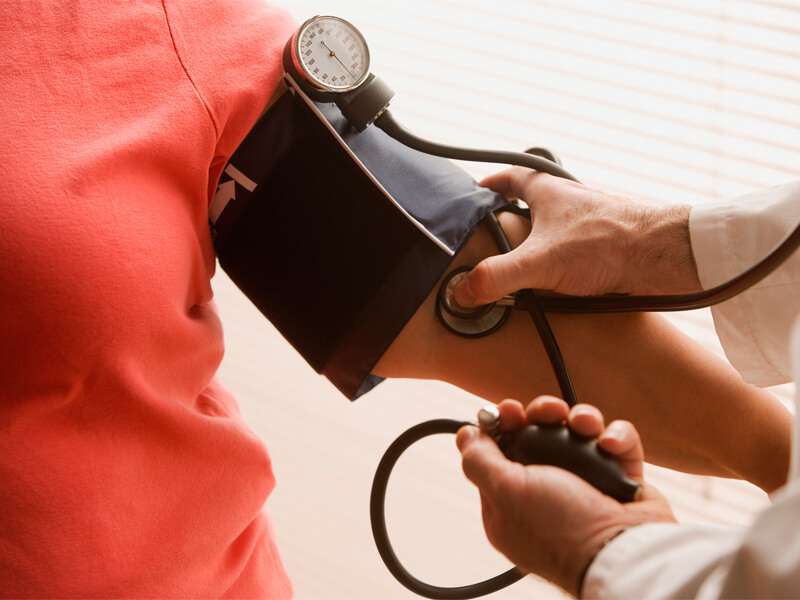
Hypertension, or high blood pressure, is a prevalent condition that can lead to serious health complications if left untreated. Regular monitoring and appropriate management are essential for maintaining overall health.
- Symptoms may include headaches, shortness of breath, and nosebleeds; however, many individuals may feel fine and exhibit no signs.
- Diagnosis typically involves measuring blood pressure over time using a sphygmomanometer.
- Treatment options can include lifestyle modifications such as diet changes and increased physical activity, as well as medications like diuretics or ACE inhibitors.
- Regular check-ups can help adjust treatment plans based on individual responses and ensure optimal blood pressure control.
- Patients can expect regular follow-ups to monitor their condition and the effectiveness of prescribed treatments.
Managing hypertension early is crucial for reducing the risk of heart disease and stroke in the future.