
Dr Harvir Singh Sodhi
About Me
Dr Harvir Singh Sodhi
MD
Diabetologist
10 Years Experience
Biography
My Clinic
OPD Hours
| Monday | Morning | 10:00 AM | - | 02:00 PM |
| Evening | 06:00 PM | - | 09:00 PM | |
| Tuesday | Morning | 10:00 AM | - | 02:00 PM |
| Evening | 06:00 PM | - | 09:00 PM | |
| Wednesday | Morning | 10:00 AM | - | 02:00 PM |
| Evening | 06:00 PM | - | 09:00 PM | |
| Thursday | Morning | 10:00 AM | - | 02:00 PM |
| Evening | 06:00 PM | - | 09:00 PM | |
| Friday | Morning | 10:00 AM | - | 02:00 PM |
| Evening | 06:00 PM | - | 09:00 PM | |
| Saturday | Morning | 10:00 AM | - | 02:00 PM |
| Evening | 06:00 PM | - | 09:00 PM | |
| Sunday | Morning | 10:00 AM | - | 02:00 PM |
| Evening | 06:00 PM | - | 09:00 PM |
Treatments
Specialised care and treatments offered
DIABETES COMPLICATIONS ASSESSMENT

If you have been living with diabetes, understanding potential complications is essential for long-term health maintenance. Regular assessments are vital components in detecting these issues early before they progress significantly.
- Symptoms might include numbness in extremities or blurry vision due to nerve damage or eye problems resulting from prolonged elevated glucose levels.
- Diagnostic methods focus on comprehensive eye exams, foot evaluations for neuropathy assessments, as well as lab tests checking kidney function.
- Management options include lifestyle changes combined with medications aimed at stabilizing overall health while directly addressing potential complications as they arise.
- Engaging regularly with your healthcare provider ensures efficient surveillance throughout your journey managing your diabetes effectively.
Staying informed supports proactive decisions towards avoiding serious complications linked with uncontrolled diabetes problems over time.
HYPOGLYCEMIA TREATMENT
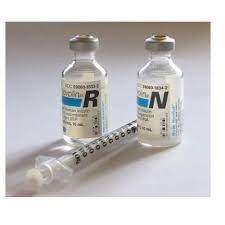
Hypoglycemia refers to abnormally low blood glucose levels that can cause various symptoms ranging from mild discomfort to severe complications if left untreated. Understanding hypoglycemia is crucial for effective self-management among individuals with diabetes.
- An early warning sign includes confusion or irritability; more severe manifestations might lead to seizures or loss of consciousness without rapid intervention.
- A blood test confirms low glucose levels; prompt action is necessary once diagnosed to avoid worsening symptoms.
- The primary treatment involves immediate consumption of fast-acting sugars such as fruit juice, candy, or glucagon injections in severe cases.
- Regular monitoring and adjusting medications play critical roles in preventing future episodes.
Being aware of potential triggers fosters confidence among patients in managing hypoglycemia effectively and safely.
CONTINUOUS GLUCOSE MONITORING (CGM)
Continuous glucose monitoring (CGM) represents a breakthrough technology in managing diabetes. This device helps patients track their glucose levels throughout the day with real-time data for better treatment decisions.
- This system greatly enhances patient autonomy by providing constant feedback on blood sugar fluctuations.
- Cgm devices come with sensors placed under the skin that measure interstitial fluid glucose concentration continuously every few minutes.
- This technology aids in identifying patterns that help tailor individualized treatment plans.
- Monitoring these fluctuations allows patients and their healthcare providers to adjust medications proactively based on real-time data rather than relying solely on periodic finger-stick tests.
The incorporation of CGM into daily management offers significant advantages in minimizing complications associated with diabetes over time.
GESTATIONAL DIABETES SCREENING
Gestational diabetes is a type of diabetes that develops during pregnancy and usually resolves after childbirth. It's vital for expecting mothers to understand this condition due to its impact on both mother and baby.
- The condition often presents with mild symptoms such as increased thirst or frequent urination but can sometimes go unnoticed without testing.
- A routine screening test between the 24th and 28th weeks of pregnancy helps identify those at risk early.
- The primary treatment method includes dietary modifications alongside regular physical activity; some may require insulin therapy if necessary.
- This condition emphasizes the importance of good prenatal care for both maternal and fetal health outcomes.
An effective management plan during pregnancy can mitigate risks associated with gestational diabetes significantly.
DIABETIC KETOACIDOSIS (DKA)
Diabetic ketoacidosis (DKA) is a serious and potentially life-threatening complication of diabetes. It occurs when the body starts breaking down fats at an excessive rate, leading to high levels of ketones in the blood.
- The initial symptoms often include nausea, vomiting, abdominal pain, and fruity-smelling breath.
- A swift diagnosis requires blood tests to check for high glucose levels and ketones.
- Treatment primarily focuses on hydration, insulin therapy to lower blood sugar levels, and electrolyte replacement.
- If untreated, DKA can lead to severe complications; hence awareness about symptom recognition is crucial for timely intervention.
Your health can be significantly improved with quick treatment and ongoing education regarding DKA prevention strategies.
TYPE 1 DIABETES MANAGEMENT
Type 1 diabetes is a chronic condition that occurs when the body does not produce insulin, a hormone necessary for converting sugar into energy. This disorder typically appears in childhood or adolescence, though it can develop at any age.
- Symptoms of Type 1 diabetes may include increased thirst, frequent urination, and extreme fatigue.
- Diagnosis is usually through blood tests that measure glucose levels and the presence of autoantibodies.
- The primary management options involve lifelong insulin therapy, which can be administered via injections or an insulin pump.
- Regular monitoring of blood glucose levels is essential to maintain optimal health.
- Patients should also focus on disease management, including education on diet and lifestyle choices.
This proactive approach helps in living a healthy life despite the challenges posed by Type 1 diabetes.