
Dr Hasan Raza Siddiqui
About Me
Dr Hasan Raza Siddiqui
General Physician
Biography
My Clinic
OPD Hours
| Tuesday | Morning | 10:00 AM | - | 02:00 PM |
| Evening | 06:00 PM | - | 09:00 PM | |
| Wednesday | Morning | 10:00 AM | - | 02:00 PM |
| Evening | 06:00 PM | - | 09:00 PM | |
| Thursday | Morning | 10:00 AM | - | 02:00 PM |
| Evening | 06:00 PM | - | 09:00 PM | |
| Friday | Morning | 10:00 AM | - | 02:00 PM |
| Evening | 06:00 PM | - | 09:00 PM | |
| Saturday | Morning | 10:00 AM | - | 02:00 PM |
| Evening | 06:00 PM | - | 09:00 PM | |
| Sunday | Morning | 10:00 AM | - | 02:00 PM |
| Evening | 06:00 PM | - | 09:00 PM | |
| Thursday | Morning | 10:00 AM | - | 02:00 PM |
| Evening | 06:00 PM | - | 09:00 PM |
Treatments
Specialised care and treatments offered
ALLERGIC RHINITIS
Allergic rhinitis is an allergic reaction causing sneezing, stuffy nose, itchy eyes or throat due to airborne allergens. It can significantly impact daily life yet manageable interventions exist for relief from these bothersome symptoms!
- Main triggers include pollen from trees/grass/weeds particularly during certain seasons; mold spores also contribute year-round allergies for some individuals!
- Diverse diagnostic methods might involve skin prick tests or specific IgE blood testing aimed at identifying exact allergens responsible for triggering reactions effectively!
- Management options span antihistamines/corticosteroids administered nasally/oral forms while immunotherapy offers long-term solutions targeting root causes over time!
- Patients typically witness symptom alleviation upon starting treatments/follow-up discussions enabling tailored coverage models enhancing quality living standards overall post-implementation!
Identifying triggers paves pathways towards effective prevention strategies mitigating occurrences!
URINARY TRACT INFECTION (UTI)

A urinary tract infection occurs when harmful bacteria enter the urinary system. UTIs are more common in women but can affect anyone at any age. They often cause discomfort but are treatable with appropriate medications.
- The primary symptoms consist of frequent urination urges accompanied by pain or burning sensations during urination; cloudy urine may also occur.
- Sufficient diagnosis typically involves urinalysis along with culturing urine samples for specific bacteria identification.
- Treatment mainly comprises antibiotics aimed at eradicating infection along with drinking plenty of fluids to help flush out bacteria from the urinary system.
- If treated promptly, most patients find relief within a few days; untreated UTIs have potential for more severe complications affecting kidney health over time.
Regular hydration is key in preventing recurrent UTIs after initial treatment successes!
PNEUMONIA
Pneumonia is an inflammation of the lungs primarily caused by infections. Symptoms can range from mild to severe and require prompt attention as they may escalate quickly without appropriate treatment.
- Symptoms usually include cough (which may produce phlegm), fever, chills, fatigue, and difficulty breathing.
- A thorough physical examination combined with imaging tests such as chest X-rays aids in diagnosing pneumonia accurately.
- Treatment options vary based on severity but commonly include antibiotics for bacterial pneumonia along with supportive care like rest and fluids.
- If diagnosed early and treated appropriately, most individuals experience full recovery within weeks; however, some people may face lingering symptoms for longer periods.
Pneumonia prevention strategies include vaccinations and good hygiene practices to reduce transmission risks.
GASTROENTERITIS
Gastroenteritis refers to the inflammation of the stomach and intestines leading to symptoms like diarrhea and vomiting. It's often caused by viral infections but can also result from bacteria or parasites in contaminated food or water.
- The hallmark signs are watery diarrhea, abdominal cramps, nausea, and sometimes fever.
- A healthcare provider diagnoses gastroenteritis through symptom history; lab tests may also be conducted in severe cases.
- Management focuses on hydration with fluids and electrolytes; medications to relieve symptoms may be prescribed as needed.
- Most patients recover completely within a few days; however, dehydration remains a risk especially in vulnerable populations like children and the elderly.
Awareness of hygiene practices plays a pivotal role in preventing gastroenteritis outbreaks.
ACUTE BRONCHITIS
Acute bronchitis is an inflammation of the bronchial tubes that carry air to your lungs. Often developing from a respiratory infection or cold, it can be uncomfortable but usually resolves within a few weeks with appropriate care.
- Main symptoms include coughing, production of mucus, fatigue, and chest discomfort.
- The diagnosis is primarily clinical; healthcare professionals may listen for wheezing or other abnormal lung sounds during physical examination.
- Treatment often includes rest, increased fluid intake, cough remedies, and sometimes bronchodilators if wheezing occurs.
- Patients should expect gradual improvement but should seek further medical attention if symptoms worsen or persist beyond a few weeks.
With proper management, acute bronchitis generally resolves without complications.
HYPERTENSION
Hypertension, or high blood pressure, is a common yet serious condition that can lead to significant health issues if left unmanaged. This condition occurs when the force of blood against the artery walls is consistently too high, which can strain the heart and damage blood vessels over time.
- Symptoms may include headaches, shortness of breath, and nosebleeds, although it can often go unnoticed.
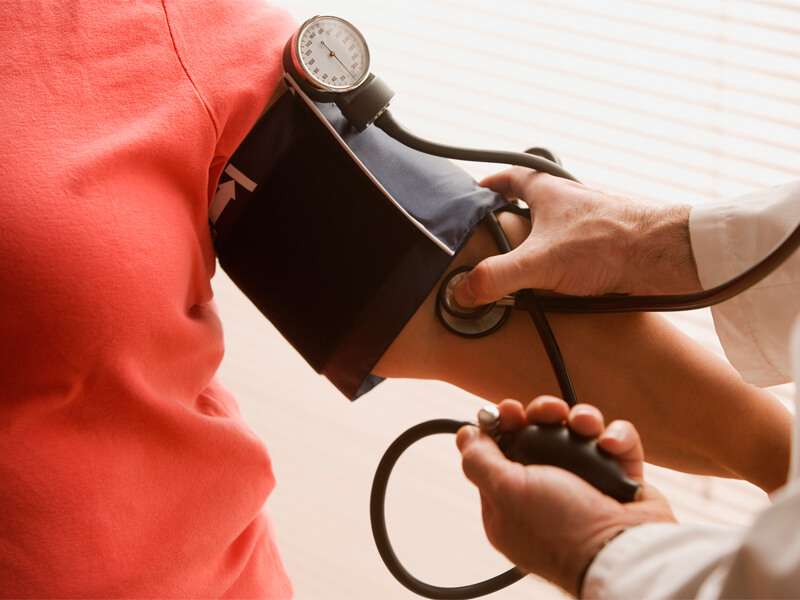
- Diagnosis typically involves measuring blood pressure using a sphygmomanometer during routine check-ups.
- Treatment and management options include lifestyle changes, medication such as diuretics or ACE inhibitors, and regular monitoring of blood pressure levels.
- Patients can expect ongoing evaluation to determine the effectiveness of treatment and make necessary adjustments.
Maintaining a healthy lifestyle is crucial in managing hypertension effectively.