
Dr Hemalata Arora
About Me
Dr Hemalata Arora
Internal Medicine
Biography
My Clinic
OPD Hours
| Tuesday | Morning | 10:00 AM | - | 02:00 PM |
| Evening | 06:00 PM | - | 09:00 PM | |
| Wednesday | Morning | 10:00 AM | - | 02:00 PM |
| Evening | 06:00 PM | - | 09:00 PM | |
| Thursday | Morning | 10:00 AM | - | 02:00 PM |
| Evening | 06:00 PM | - | 09:00 PM | |
| Friday | Morning | 10:00 AM | - | 02:00 PM |
| Evening | 06:00 PM | - | 09:00 PM | |
| Saturday | Morning | 10:00 AM | - | 02:00 PM |
| Evening | 06:00 PM | - | 09:00 PM | |
| Sunday | Morning | 10:00 AM | - | 02:00 PM |
| Evening | 06:00 PM | - | 09:00 PM | |
| Thursday | Morning | 10:00 AM | - | 02:00 PM |
| Evening | 06:00 PM | - | 09:00 PM |
Treatments
Specialised care and treatments offered
THYROID DISORDERS ASSESSMENT
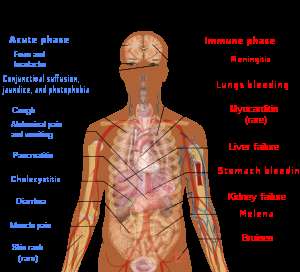
The thyroid gland plays an essential role in metabolic processes regulating various body functions through hormone secretion. Assessing thyroid disorders enables timely interventions crucial for maintaining overall health well-being..
- Symptoms : Thyroid imbalance could lead either hyperthyroidism characterized by rapid heartbeat excessive sweating unintentional weight loss versus hypothyroidism evidenced fatigue cold sensitivity weight gain...
- Diagnosis : Thyroid function tests measure TSH levels alongside T3 T4 help ascertain specific conditions affecting this crucial gland...
- Treatment Options : Medication treatments vary based upon underlying cause radioiodine therapy surgical intervention likewise possible if necessary...
Addressing your thyroid concerns holistically entails partnering closely with healthcare providers thereby ensuring long-term wellbeing stability moving forward...
ANEMIA MANAGEMENT
Anemia is characterized by a deficiency in red blood cells or hemoglobin in the bloodstream. Recognizing anemia early can lead to effective treatment tailored to the underlying cause. Various factors contribute to anemia's development;
- Causative factors: Common causes include iron deficiency due to poor diet or menstruation; chronic diseases can also inhibit red blood cell production.
GASTROESOPHAGEAL REFLUX DISEASE (GERD) TREATMENT
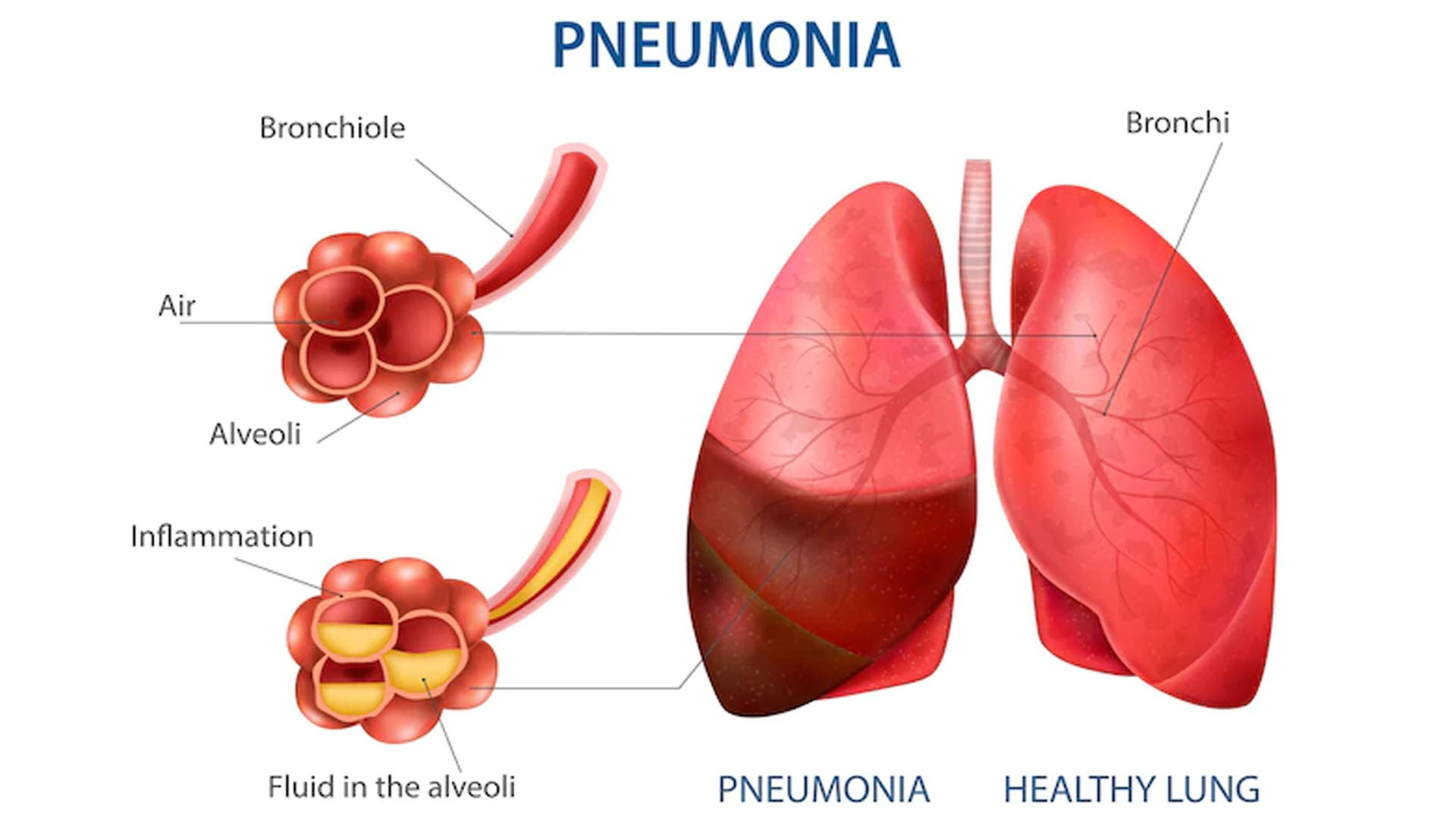
This chronic digestive condition occurs when stomach acid frequently flows back into the esophagus. Understanding GERD enables patients to manage their symptoms effectively and improve their quality of life over time.
- Symptoms: Common indicators include heartburn, regurgitation of food or sour liquid, difficulty swallowing, and chest pain.
- Diagnosis: Diagnosis typically involves an upper endoscopy or pH monitoring tests performed by healthcare professionals to assess acid levels in the esophagus.
- Treatment options: Lifestyle changes such as weight loss or dietary adjustments are recommended; medications like proton pump inhibitors may also be prescribed for symptom relief.
A combination of drug therapy along with lifestyle modifications can greatly alleviate GERD symptoms while helping prevent potential complications over time.
CHRONIC OBSTRUCTIVE PULMONARY DISEASE (COPD) MANAGEMENT
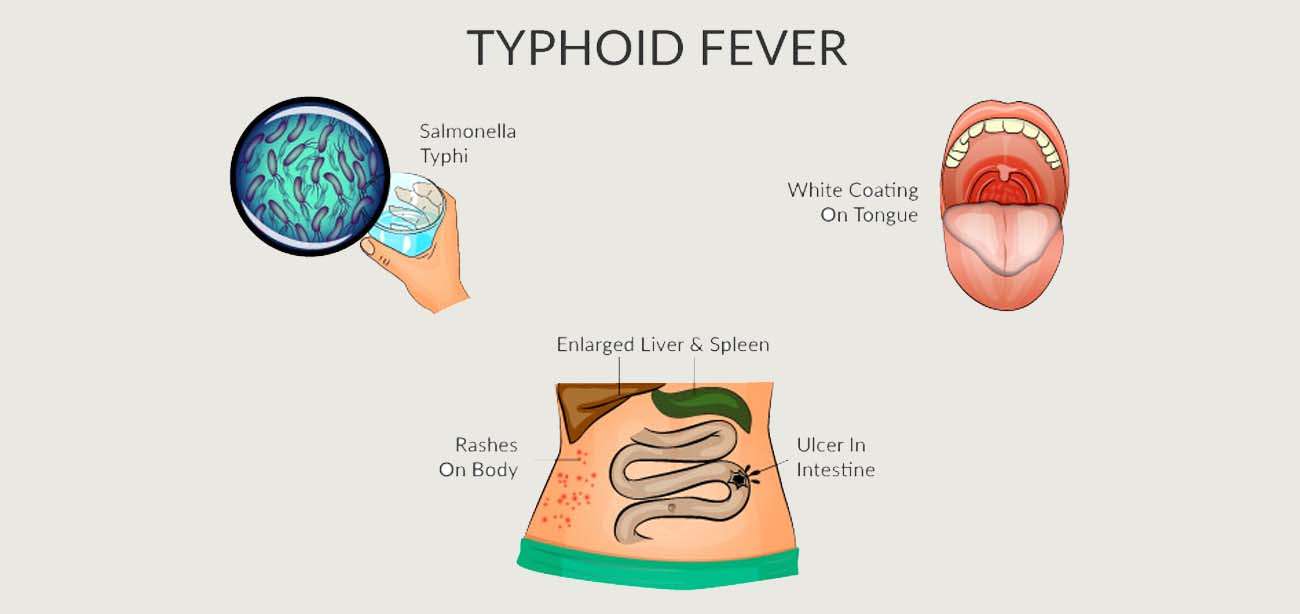
COPD encompasses various lung diseases that obstruct airflow and make it difficult to breathe. While primarily caused by smoking, other factors can contribute to its development. Managing COPD is critical to improve the quality of life.
- Causes: Major risk factors include smoking, long-term exposure to harmful pollutants, and genetic factors such as alpha-1 antitrypsin deficiency.
- Symptoms: Patients often report chronic cough, wheezing, chest tightness, and increased production of mucus.
- Treatment methods: Treatment typically includes bronchodilators and steroids to alleviate symptoms alongside pulmonary rehabilitation programs focusing on exercise training and education.
- Lifestyle changes: Quitting smoking and adopting a healthy lifestyle significantly improve symptoms and overall lung function.
A structured approach towards COPD can lead to better symptom management and an enhanced daily living experience.
DIABETES SCREENING AND MANAGEMENT
The prevalence of diabetes has increased globally, making early screening vital for managing the condition effectively. Understanding diabetes allows patients to make informed choices about their health.
- Symptoms: Individuals may experience increased thirst, frequent urination, extreme fatigue, or blurred vision.
- Diagnosis: A fasting blood glucose test or A1C test helps determine if one has diabetes or prediabetes.
- Treatment approaches: Lifestyle modifications like dietary changes and physical activity are pivotal. Medications or insulin therapy may also be required.
- Follow-up care: Continuous monitoring of blood sugar levels is essential for adjusting treatment plans accordingly.
With proactive management and regular consultations, individuals can lead a healthy life despite diabetes.
HYPERTENSION MANAGEMENT
Hypertension, or high blood pressure, is a common condition that requires ongoing management to prevent serious health complications. It often goes unnoticed, as many individuals may not experience symptoms. Therefore, regular check-ups are essential for early detection and control.
- Symptoms: Most people with hypertension do not have noticeable symptoms; however, some may experience headaches, shortness of breath, or nosebleeds.
- Diagnosis: Blood pressure is measured using a sphygmomanometer. Consistent readings above 130/80 mm Hg indicate hypertension.
- Treatment options: Management includes lifestyle changes such as diet and exercise, along with medications like ACE inhibitors or diuretics.
- Monitoring: Regular monitoring of blood pressure is crucial for assessing treatment efficacy and making necessary adjustments.
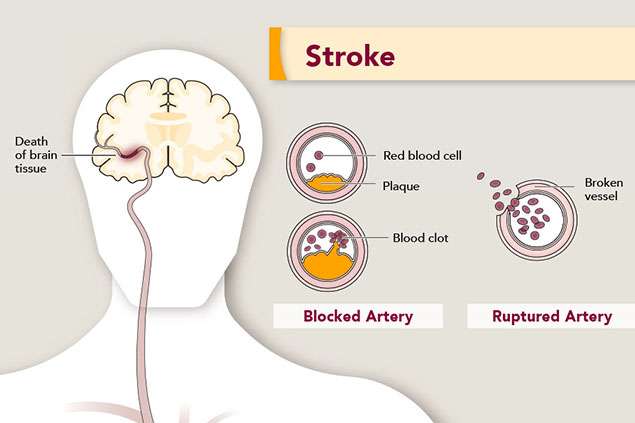
Effective management can significantly reduce the risk of heart disease and stroke. Engaging in routine follow-ups will help maintain optimal blood pressure levels.