
Dr Hemang
About Me
Dr Hemang
General Physician
Biography
My Clinic
OPD Hours
| Tuesday | Morning | 10:00 AM | - | 02:00 PM |
| Evening | 06:00 PM | - | 09:00 PM | |
| Wednesday | Morning | 10:00 AM | - | 02:00 PM |
| Evening | 06:00 PM | - | 09:00 PM | |
| Thursday | Morning | 10:00 AM | - | 02:00 PM |
| Evening | 06:00 PM | - | 09:00 PM | |
| Friday | Morning | 10:00 AM | - | 02:00 PM |
| Evening | 06:00 PM | - | 09:00 PM | |
| Saturday | Morning | 10:00 AM | - | 02:00 PM |
| Evening | 06:00 PM | - | 09:00 PM | |
| Sunday | Morning | 10:00 AM | - | 02:00 PM |
| Evening | 06:00 PM | - | 09:00 PM | |
| Thursday | Morning | 10:00 AM | - | 02:00 PM |
| Evening | 06:00 PM | - | 09:00 PM |
Treatments
Specialised care and treatments offered
WEIGHT LOSS COUNSELING
Weight management plays a crucial role in overall health. Counseling sessions focus on sustainable weight loss strategies tailored to individual needs rather than quick fixes that don’t last long term..
ANNUAL HEALTH CHECK-UP

An annual health check-up comprises a series of evaluations aimed at detecting potential health issues before they become serious. This preventative measure helps ensure overall wellness in adults of all ages.
- The evaluation usually includes assessments for vital signs such as heart rate and blood pressure, along with laboratory tests evaluating cholesterol and glucose levels.
- Additionally, it often encompasses screening for various cancers based on age group and family history considerations like mammograms or colonoscopies if necessary
ALLERGY TESTING

Allergies occur when the immune system reacts abnormally to certain substances. Identifying allergens through testing provides clarity for effective management strategies.
- Symptoms commonly involve sneezing, itching, hives, or gastrointestinal distress depending on the allergen type.
- Allergy testing can be done via skin prick tests or blood tests to identify triggering substances specific to an individual.
- Avoidance strategies are central in managing allergies; antihistamines or corticosteroids may also help alleviate symptoms during exposure incidents.
- Percussive follow-ups will determine how well management plans are working against identified allergens over time
The proper identification of allergies leads to improved quality of life for those affected by these conditions.
CHOLESTEROL MANAGEMENT
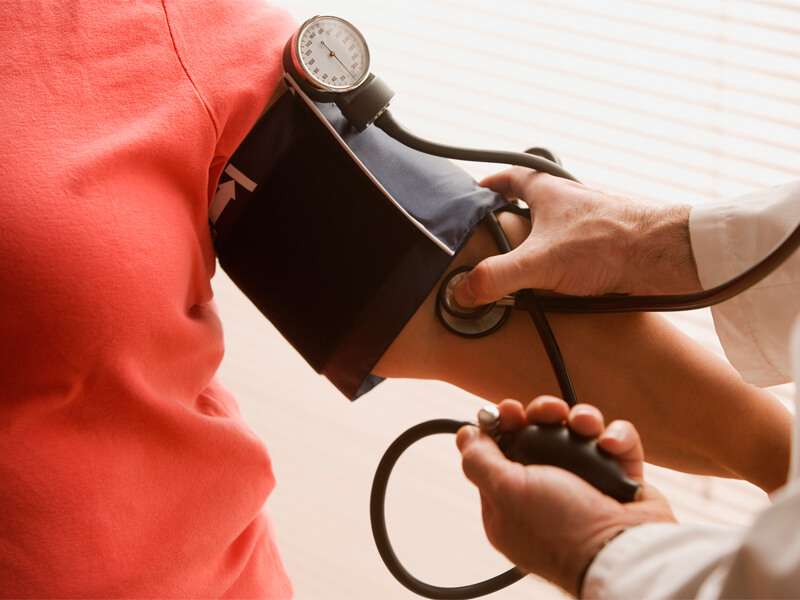
High cholesterol levels can increase the risk of cardiovascular diseases. Monitoring cholesterol is vital for maintaining heart health.
- This condition often has no noticeable symptoms; hence regular lipid panel testing is essential for diagnosis.
- The primary causes include poor diet, lack of exercise, smoking, and genetic factors.
- Treatment options are diverse: lifestyle changes like proper nutrition and exercise are fundamental; statins or other medications may be prescribed depending on individual risk factors.
- Follow-up testing is important to track cholesterol levels and assess treatment effectiveness over time.
A proactive approach to managing cholesterol can lead to healthier outcomes and reduced cardiovascular risks in the future.
DIABETES SCREENING

Diabetes is a chronic condition characterized by high blood sugar levels. Early detection through screening can help in effective management and prevention of complications.
- Common signs include increased thirst, frequent urination, extreme fatigue, and blurred vision.
- Diagnosis is often confirmed through blood tests like fasting plasma glucose or hemoglobin A1c measurements.
- Management focuses on lifestyle changes such as dietary adjustments and regular physical activity; medication may also be necessary for some patients.
- Continuous monitoring of blood sugar levels is crucial for long-term health maintenance.
Regular screenings can aid in managing diabetes effectively and preventing secondary complications associated with the disease.
HYPERTENSION MANAGEMENT
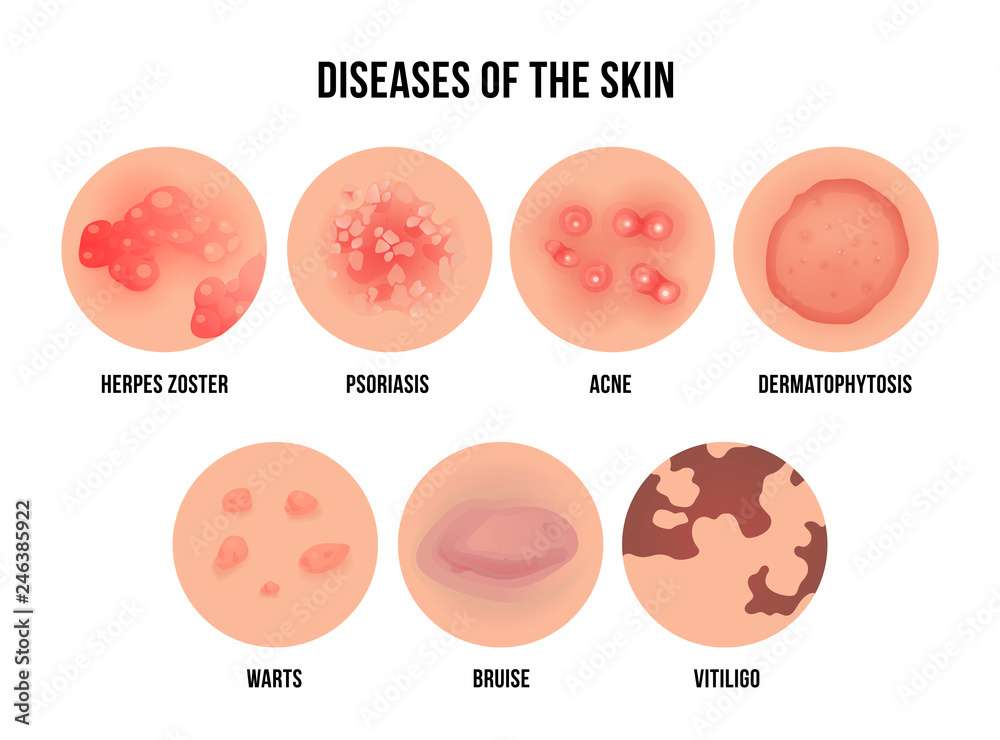
Hypertension, commonly known as high blood pressure, is a prevalent condition that can lead to serious health complications if left unmanaged. This condition often presents with no clear symptoms, making regular monitoring essential.
- Symptoms may include headaches, shortness of breath, or nosebleeds, but many individuals remain asymptomatic.
- Diagnosis typically involves measuring blood pressure using a sphygmomanometer and may require multiple readings over time.
- Treatment options encompass lifestyle changes such as diet and exercise modification, along with medications like diuretics or ACE inhibitors.
- Patients should expect thorough follow-up appointments to monitor their blood pressure and medication effectiveness.
If properly managed, individuals with hypertension can significantly reduce the risk of heart disease and stroke.