
Dr Hemangi Karnik
About Me
Dr Hemangi Karnik
Anesthesiologist
Biography
My Clinic
OPD Hours
| Tuesday | Morning | 10:00 AM | - | 02:00 PM |
| Evening | 06:00 PM | - | 09:00 PM | |
| Wednesday | Morning | 10:00 AM | - | 02:00 PM |
| Evening | 06:00 PM | - | 09:00 PM | |
| Thursday | Morning | 10:00 AM | - | 02:00 PM |
| Evening | 06:00 PM | - | 09:00 PM | |
| Friday | Morning | 10:00 AM | - | 02:00 PM |
| Evening | 06:00 PM | - | 09:00 PM | |
| Saturday | Morning | 10:00 AM | - | 02:00 PM |
| Evening | 06:00 PM | - | 09:00 PM | |
| Sunday | Morning | 10:00 AM | - | 02:00 PM |
| Evening | 06:00 PM | - | 09:00 PM | |
| Thursday | Morning | 10:00 AM | - | 02:00 PM |
| Evening | 06:00 PM | - | 09:00 PM |
Treatments
Specialised care and treatments offered
ANESTHESIA FOR GERIATRIC PATIENTS
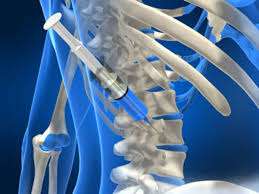
Anesthetic management of geriatric patients requires special consideration due to age-related changes affecting drug metabolism and heightened sensitivity. Tailoring anesthesia plans helps reduce risks associated with surgeries in older adults while ensuring effective outcomes across varying health circumstances inherent among elderly populations
- Symptoms/Conditions: Older adults often present comorbidities like cardiovascular disease which necessitates careful risk assessment prior considering any procedural approaches given potential complications arising therefrom.
- Diagnosis: Geriatric assessments incorporating cognitive function evaluations assist discerning whether specific types/types anestehsia would indeed suit certain individuals offering optimal anesthesia safety protocols aligned within best-practice guidelines!
- Treatment Management Options: Both local-regional-anesthesia practices used judiciously aligning all aspects toward elder-centric goals focuses significantly around minimizing side-effects promoting enhanced recovery experiences fostered ultimately improving post-operative satisfaction rates !
Emphasizing meticulous planning ensures greater outcomes yielding more fulfilling lives even amidst transitional circumstances encountered later stages living!
CHRONIC PAIN MANAGEMENT

Anesthesiologists often specialize in chronic pain management through various interventional techniques that target underlying issues causing persistent discomfort. This multidisciplinary approach combines medication management, physical therapy coordination, and possible procedural interventions tailored specifically for each patient’s needs.
- Symptoms/Causes: Chronic pain can stem from numerous conditions including arthritis, nerve damage, or previous injuries; accurate diagnosis plays a critical role in developing individualized treatment strategies.
- Diagnosis: Patients undergo comprehensive evaluations involving history-taking along with physical assessments; imaging studies may additionally assist in elucidating root causes enhancing therapeutic success rates.
- Treatment/Management Options: Management strategies encompass pharmacologic treatments ranging from NSAIDs (non-steroidal anti-inflammatory drugs) through more advanced options like nerve blocks designed specifically towards alleviating debilitating symptoms.
- Expectations: A personalized approach aims at decreasing overall pain levels improving quality-of-life directly correlating with functional improvements—each step focused on returning regular activities without reliance solely upon medication consumption!
Overall success hinges upon tailored approaches maximizing both psychological resilience promoting active participation alongside supportive therapies guiding individuals toward recovery goals!
PEDIATRIC ANESTHESIA

Pediatric anesthesia caters specifically to children undergoing various surgical interventions, requiring specialized techniques due to their unique physiological characteristics. Careful consideration ensures both safety and effectiveness when administering anesthetic agents in this age group.
- Symptoms/Concerns: Children might experience stress related to separation from parents; managing this aspect is crucial for successful outcomes with pediatric anesthesia.
- Diagnosis: Assessment includes understanding a child’s medical history, allergies, previous reactions to anesthesia, along with developmental considerations before forming a plan tailored to young patients.
- Treatment Options: Methods may vary from general to regional techniques adjusted specifically for younger bodies; non-pharmacological methods like distraction can also be incorporated into care protocols.
The aim is always the safe passage through necessary surgical interventions while addressing the emotional support needed by both children and parents alike during these experiences. Pediatric anesthetists play a vital role in making sure every procedure runs smoothly from start to finish!
SEDATION FOR PROCEDURAL COMFORT

Sedation helps alleviate anxiety and discomfort during various medical procedures by inducing a calm state while maintaining consciousness. It's commonly used in minor surgeries or diagnostic tests where complete unconsciousness isn’t necessary yet comfort is essential.
- Symptoms: Patients may feel relaxed and drowsy, facilitating their cooperation during procedures while minimizing discomfort associated with interventions.
- Diagnosis: Based on clinical evaluations, sedation is employed for patients with high levels of anxiety or those undergoing particularly uncomfortable examinations.
- Treatment Options: Medications such as benzodiazepines or opioids may be administered intravenously or orally, adjusted according to individual needs and responses.
- Management: Vital signs are monitored continuously throughout the procedure to ensure patient safety and comfort levels are maintained within appropriate limits.
The goal of sedation is to make medical experiences manageable while ensuring that patients remain cooperative yet comfortable throughout their treatment journey.
REGIONAL ANESTHESIA

Regional anesthesia involves targeting specific nerves or regions of the body to block sensation during surgical procedures. This technique allows for effective pain management while keeping the patient awake or sedated depending on the procedure’s needs.
- Symptoms: Patients may experience localized numbness and lack of sensation in the targeted area once the anesthesia takes effect.
- Diagnosis: Selection for regional anesthesia is based on factors such as surgery type and patient health status after evaluation by an anesthesiologist.
- Treatment/Management Options: Techniques include spinal blocks or epidural anesthesia; medications can be tailored to optimize efficacy and minimize side effects.
- Expectations: Most patients report effective pain relief with minimal systemic effects; post-procedure monitoring ensures safety as feeling gradually returns.
This approach not only enhances comfort during surgery but also contributes significantly to postoperative pain management.
GENERAL ANESTHESIA

General anesthesia is a medically induced state that allows patients to undergo surgical procedures without awareness or sensation. It provides profound sedation and pain relief, ensuring that patients remain completely unconscious during their surgery.
- Symptoms: Patients undergoing surgery generally do not exhibit symptoms of pain or discomfort as they are fully unconscious.
- Diagnosis: General anesthesia is indicated based on the type of surgical intervention, patient medical history, and pre-anesthetic evaluation.
- Treatment Options: The anesthesiologist selects an appropriate anesthetic regimen, which may include inhalational agents and intravenous medications.
- Management: Continuous monitoring of vital signs such as heart rate, blood pressure, and oxygen levels occurs throughout the procedure.
- Expectations: Post-surgery, patients typically experience grogginess as they awaken from anesthesia but are closely monitored until recovery is established.
This method plays a crucial role in modern medicine by allowing a wide range of surgeries to be performed safely and effectively.