
DR Hemant Bhartiy
About Me
DR Hemant Bhartiy
MS
Orthopaedic Surgeons
10 Years Experience
Biography
My Clinic
OPD Hours
| Monday | Morning | 10:00 AM | - | 02:00 PM |
| Evening | 06:00 PM | - | 09:00 PM | |
| Tuesday | Morning | 10:00 AM | - | 02:00 PM |
| Evening | 06:00 PM | - | 09:00 PM | |
| Wednesday | Morning | 10:00 AM | - | 02:00 PM |
| Evening | 06:00 PM | - | 09:00 PM | |
| Thursday | Morning | 10:00 AM | - | 02:00 PM |
| Evening | 06:00 PM | - | 09:00 PM | |
| Friday | Morning | 10:00 AM | - | 02:00 PM |
| Evening | 06:00 PM | - | 09:00 PM | |
| Saturday | Morning | 10:00 AM | - | 02:00 PM |
| Evening | 06:00 PM | - | 09:00 PM | |
| Sunday | Morning | 10:00 AM | - | 02:00 PM |
| Evening | 06:00 PM | - | 09:00 PM |
Treatments
Specialised care and treatments offered
KNEE LIGAMENT INJURIES
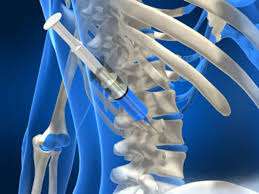
Knee ligament injuries are common among athletes but can also occur during everyday activities. These injuries involve damage to one or more ligaments stabilizing this vital joint resulting in instability and significant discomfort。
- Symptoms generally encompass swelling , severe pain around kneecap , difficulty bearing weight & reduced range movement .
- Diagnosis typically combines physical exams examining knee stability alongside imaging techniques like MRIs which provide insight into extent damages incurred .
- Management begins conservatively through resting affected leg employing braces & physiotherapy routines while prescription medication serves alleviate debilitating sensations accompanying injury .
- If non-invasive forms fail resolve conditions adequately after timeframe elapsed; surgical interventions might become recommended course action depending severity case involved—enabling faster return active lifestyle again!
Swift response along with personalized care path maximizes potential positive outcomes surrounding knee ligament recovery journeys!
PLANTAR FASCIITIS
This common condition arises from inflammation of the plantar fascia located at the bottom of your foot. It often manifests as heel pain after prolonged periods standing or walking. Early detection is key in preventing further complications associated with this disorder。
- Main symptoms typically consist of sharp heel pain that usually occurs with first steps in the morning or after sitting for long durations.
- Diagnosis includes detailed medical history evaluations accompanied by physical examinations focusing on heel tenderness areas .
- Treatment plans might integrate conservative measures such as rest , custom orthotics , stretching exercises , alongside anti-inflammatory medications .
- In persistent cases failing other treatments , corticosteroid injections could provide additional alleviation from symptoms .
Receiving tailor-made solutions early enhances recovery chances significantly .
TENNIS ELBOW

Tennis elbow (lateral epicondylitis) is an overuse injury affecting the elbow due to repetitive motion. It results from strain on muscles and tendons around this joint area leading to pain and discomfort during activities involving gripping or lifting objects。
- Main symptoms include tenderness on the outer elbow area along with aching pain that radiates down to the forearm muscles.
- This condition is typically diagnosed through clinical assessments combined with reviews of activity history; imaging can be done if necessary to rule out other issues.
- Treatment focuses initially on non-invasive approaches such as rest, ice application to manage swelling, physical therapy targeted at stretching exercises, alongside analgesics for pain management.
- If conservative methods are ineffective after several weeks, corticosteroid injections may be considered before contemplating surgery as an option.
A proactive approach ensures that tennis elbow does not hinder daily activities long-term.
FRACTURE ASSESSMENT

Fractures involve a break in the continuity of bone tissue. They can be classified into various types based on the mechanism of injury and location within the body. Proper assessment is vital to ensure appropriate treatment。
- The most common symptoms include immediate pain at the site of injury, swelling, bruising, and an inability to use the affected limb normally.
- A detailed history along with imaging tests like X-rays or CT scans are typically used for diagnosis.
- Treatment strategies depend on fracture type but may involve immobilization with casts or splints for less severe cases; surgical intervention may be required for complex fractures.
- A comprehensive rehabilitation program is essential post-treatment to restore functionality and strength at the fracture site.
An accurate initial assessment is critical for determining effective management strategies for fractures.
ROTATOR CUFF INJURY

A rotator cuff injury occurs when one or more of the tendons that help stabilize the shoulder become damaged or inflamed. This condition can result from acute injuries or chronic wear and tear over time.
- Common symptoms include shoulder pain, especially when lifting or reaching overhead, and weakness in the arm.
- The diagnosis typically involves a thorough clinical evaluation followed by imaging studies such as MRI to visualize tendon integrity.
- Treatment often starts with conservative methods like rest, ice application, physical therapy, alongside anti-inflammatory medications as needed.
- Surgical options may be considered if conservative measures fail after several months.
- Recovery can vary widely but usually involves a rehabilitation program aimed at restoring strength and mobility.
A prompt diagnosis plays a crucial role in achieving optimal recovery outcomes for rotator cuff injuries.
OSTEOARTHRITIS

Osteoarthritis is the most common form of arthritis, characterized by the degeneration of joint cartilage and the underlying bone. It can lead to pain, stiffness, and impaired function of affected joints.
- Symptoms include joint pain, swelling, and reduced range of motion.
- This condition is primarily diagnosed through a combination of physical examinations and imaging tests such as X-rays.
- Treatment options may encompass lifestyle changes, physical therapy, medications for pain relief, and in severe cases, surgical intervention.
- Management often involves maintaining a healthy weight and incorporating low-impact exercises into daily routines.
- With early detection and appropriate management strategies, many individuals can maintain a reasonable quality of life.
Timely diagnosis and intervention are essential in managing osteoarthritis effectively.