
Dr Hemraj Soni R
About Me
Dr Hemraj Soni R
MBBS
General Physician
Biography
My Clinic
OPD Hours
| Monday | Morning | 10:00 AM | - | 02:00 PM |
| Evening | 06:00 PM | - | 09:00 PM | |
| Tuesday | Morning | 10:00 AM | - | 02:00 PM |
| Evening | 06:00 PM | - | 09:00 PM | |
| Wednesday | Morning | 10:00 AM | - | 02:00 PM |
| Evening | 06:00 PM | - | 09:00 PM | |
| Thursday | Morning | 10:00 AM | - | 02:00 PM |
| Evening | 06:00 PM | - | 09:00 PM | |
| Friday | Morning | 10:00 AM | - | 02:00 PM |
| Evening | 06:00 PM | - | 09:00 PM | |
| Saturday | Morning | 10:00 AM | - | 02:00 PM |
| Evening | 06:00 PM | - | 09:00 PM | |
| Sunday | Morning | 10:00 AM | - | 02:00 PM |
| Evening | 06:00 PM | - | 09:00 PM |
Treatments
Specialised care and treatments offered
RESPIRATORY INFECTIONS ASSESSMENT
The respiratory system is vulnerable to various infections ranging from mild colds to severe pneumonia. A thorough assessment by a general physician can guide appropriate care steps efficiently needed for recovery!
- Typical Symptoms: Persistent coughs along with mucus production fever chills fatigue difficulty breathing often signal respiratory infections.
- Diagnostic Procedures: Physical exams alongside chest X-rays sputum cultures determine specific infection types guiding treatment choices appropriately.
- Treatment Options Available: Depending upon viral bacterial nature antibiotics antivirals supportive therapies like inhalers oxygen administration improve patient comfort outcomes significantly.
- Follow-Up Care Importance: Continuous monitoring post-infection prevents complications enhancing daily functioning performances subsequently!
Understanding respiratory infections fosters better prevention self-care strategies allowing patients achieve swift recoveries under vigilant medical supervision!
THYROID FUNCTION TESTING

The thyroid gland plays a significant role in regulating metabolism through hormone production. Dysfunction can manifest either as hypo- or hyperthyroidism necessitating appropriate testing for diagnosis and management.
- Common Symptoms: Noticeable signs include weight fluctuations, fatigue, mood changes, hair loss or temperature sensitivity.
- Diagnostic Tests: Thyroid function tests measure levels of TSH (Thyroid-Stimulating Hormone) along with T3 and T4 hormones providing insight into thyroid health.
- Management Techniques: Treatment options vary depending on thyroid function; they could range from hormonal therapy for hypothyroidism to antithyroid medications for hyperthyroidism.
- Long-Term Outcomes: Regular assessments enable timely adjustments in therapy ensuring stable thyroid function over time.
Monitoring thyroid function closely leads individuals toward better hormonal balance improving overall wellbeing throughout different stages of life.
ANEMIA EVALUATION
Anemia occurs when there aren't enough healthy red blood cells to carry adequate oxygen to the body's tissues. Understanding its causes and effects can aid in effective treatment planning.
- Main Symptoms: Common symptoms include fatigue, pale skin, shortness of breath, and rapid heartbeat during activities.
- Differential Diagnosis: Various tests including complete blood counts (CBC) help confirm anemia's presence and underlying causes such as iron deficiency or chronic disease.
- Treatment Approaches: Management might involve iron supplementation or addressing underlying conditions through medications or further investigations as needed.
- Your Prognosis:Lifestyle changes along with medical treatment contribute positively towards recovery from anemia while regular monitoring ensures ongoing improvement.
A comprehensive evaluation by a general physician plays a crucial role in managing anemia effectively with tailored treatment plans based on individual needs.
HYPERLIPIDEMIA TREATMENT
The presence of high levels of fats in the blood, known as hyperlipidemia, can increase the risk of cardiovascular diseases. Understanding lipids is essential in managing overall health.
- Causative Factors: Factors include poor diet, lack of exercise, obesity, smoking, or genetic predisposition.
- Diagnosis: Lipid panels measured during a blood test provide essential insights into cholesterol levels: LDL (bad), HDL (good), and triglycerides.
- Treatment Options: Lifestyle interventions such as dietary adjustments focused on reducing saturated fats and regular physical activity are often first-line treatments; medications may be prescribed when necessary.
- Aiming for Improvement: Regular follow-up visits help track lipid levels and assess the effectiveness of treatment strategies over time.
An informed approach towards hyperlipidemia can substantially lower the risks associated with heart disease and stroke.
DIABETES SCREENING AND MANAGEMENT

Diabetes is a chronic condition that affects how your body processes sugar (glucose). Early detection through screening is key to managing this disease effectively.
- Symptoms: Symptoms may include increased thirst, frequent urination, fatigue, and blurred vision.
- Diagnosis: Blood tests such as fasting glucose levels or HbA1c tests are critical for diagnosing diabetes.
- Treatment Strategies: Management typically involves dietary changes, exercise regimens, and medications like insulin or oral hypoglycemics if necessary.
- Follow-Up Care: Continuous monitoring and frequent check-ups are important to prevent complications related to diabetes.
Staying informed about diabetes management helps ensure a better quality of life for individuals affected by this condition.
HYPERTENSION MANAGEMENT
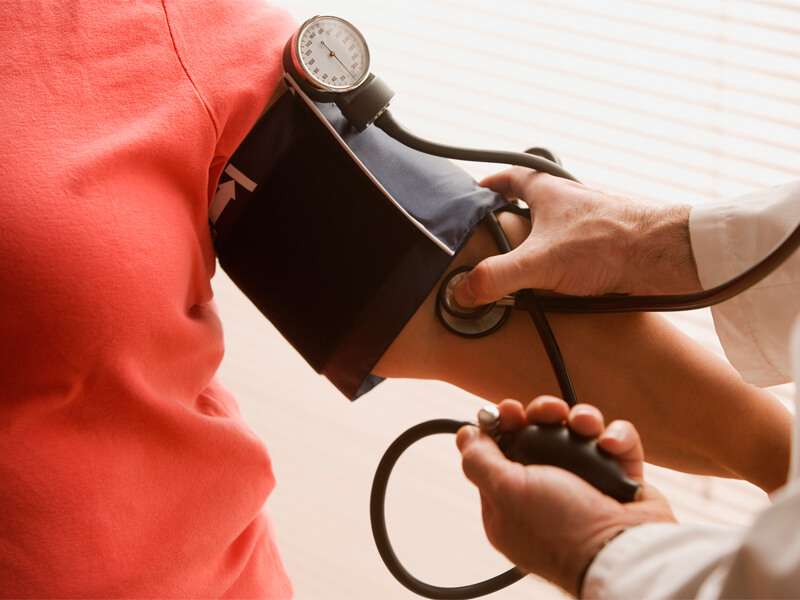
High blood pressure, known as hypertension, is a common condition that can lead to serious health problems if left untreated. Monitoring and managing this condition is crucial for maintaining overall health.
- Symptoms: Many individuals may not experience noticeable symptoms, but some may complain of headaches, dizziness, or nosebleeds.
- Diagnosis: Hypertension is diagnosed through regular blood pressure readings using a sphygmomanometer during routine check-ups.
- Treatment Options: Management could include lifestyle changes such as diet modifications, increased physical activity, and in some cases, medication.
- What to Expect: Regular follow-up appointments help track blood pressure readings and adjust treatment plans accordingly.
A proactive approach to managing hypertension can significantly reduce the risk of complications such as heart attack or stroke.