
Dr Himani negi c

Dr Himani negi c

MBBS
Gynecologist
4 300 ratings

About Me

Dr Himani negi c

MBBS
Gynecologist
10 Years Experience

Biography

Dr. Himani Negi C is a compassionate and dedicated gynecologist with over 10 years of experience in women's health care. She holds an MBBS degree and has spent the last decade focusing on providing comprehensive care to women across all stages of life. Dr. Negi understands that gynecological health is a vital component of a woman’s overall well-being, and she takes pride in offering personalized treatment plans designed to meet the unique needs of each patient. Throughout her career, Dr. Negi has built a reputation for being approachable and empathetic, qualities that help her connect deeply with her patients. She believes in creating a comfortable and trusting environment where women feel safe discussing their concerns and asking questions. Whether you are visiting her for routine check-ups, family planning, pregnancy care, or managing complex gynecological conditions, Dr. Negi ensures that every consultation is thorough and informative. Dr. Negi’s expertise covers a broad range of gynecological services. She is skilled in prenatal care, helping expectant mothers monitor their pregnancies while guiding them through every milestone to ensure the best possible outcomes for both mother and baby. She also provides expert management of menstrual disorders, fertility issues, menopausal health, and common infections. For women seeking contraception advice or planning for a family, Dr. Negi offers tailored guidance to support their choices and lifestyle. One of Dr. Negi’s key strengths lies in her commitment to educating patients. She takes the time to explain medical conditions and treatments in clear, easy-to-understand language, empowering women to take control of their health decisions. Her approach balances the latest medical advancements with a caring, patient-centered philosophy that respects each individual’s values and preferences. In addition to clinical expertise, Dr. Negi stays updated with current developments in gynecology through continuous education and professional development. This enables her to offer evidence-based treatments and the most up-to-date care options available. Choosing Dr. Himani Negi as your gynecologist means you are partnering with a trusted healthcare professional who is devoted to supporting your reproductive and overall health with warmth, respect, and expert care. She invites you to reach out with any questions or concerns and looks forward to guiding you on your journey to wellness.

My Clinic

OPD Hours

Monday Morning 10:00 AM - 02:00 PM
Evening 06:00 PM - 09:00 PM
Tuesday Morning 10:00 AM - 02:00 PM
Evening 06:00 PM - 09:00 PM
Wednesday Morning 10:00 AM - 02:00 PM
Evening 06:00 PM - 09:00 PM
Thursday Morning 10:00 AM - 02:00 PM
Evening 06:00 PM - 09:00 PM
Friday Morning 10:00 AM - 02:00 PM
Evening 06:00 PM - 09:00 PM
Saturday Morning 10:00 AM - 02:00 PM
Evening 06:00 PM - 09:00 PM
Sunday Morning 10:00 AM - 02:00 PM
Evening 06:00 PM - 09:00 PM

Treatments

Specialised care and treatments offered

GASTROENTEROLOGY & GI SURGERY

Gastroenterology & GI Surgery

Gastroenterology and GI Surgery provide comprehensive medical and surgical care for diseases affecting the digestive system, including the esophagus, stomach, liver, pancreas, gallbladder, small intestine, colon, and rectum. The specialty focuses on diagnosing and treating a wide range of gastrointestinal disorders such as acid reflux (GERD), gastritis, peptic ulcers, liver diseases, hepatitis, fatty liver disease, gallstones, pancreatitis, inflammatory bowel disease (Crohn’s disease and ulcerative colitis), gastrointestinal bleeding, colorectal disorders, and digestive tract cancers.

COLONOSCOPY

Colonoscopy

Colonoscopy is a comprehensive screening and diagnostic procedure that allows detailed examination of the colon and rectum. Using a flexible camera-equipped colonoscope, gastroenterologists can detect abnormalities such as polyps, colorectal cancer, inflammatory bowel disease (IBD), diverticular disease, gastrointestinal bleeding, and other colorectal disorders. Colonoscopy is considered the gold standard for colorectal cancer screening and prevention because precancerous polyps can be identified and removed during the same procedure. It is commonly recommended for individuals with chronic constipation, persistent diarrhea, rectal bleeding, abdominal pain, unexplained anemia, family history of colorectal cancer, or other digestive symptoms. Early detection through colonoscopy enables timely treatment, reduces cancer risk, and promotes long-term digestive wellness. The procedure is safe, highly accurate, and plays a vital role in preventive healthcare.

ENDOSCOPY

Endoscopy

Upper Gastrointestinal Endoscopy is a highly effective diagnostic and therapeutic procedure used to examine the esophagus, stomach, and duodenum. A thin, flexible tube equipped with a high-resolution camera is gently inserted through the mouth to provide detailed visualization of the upper digestive tract. Endoscopy is commonly recommended for patients experiencing symptoms such as acid reflux, heartburn, difficulty swallowing, abdominal pain, nausea, vomiting, gastrointestinal bleeding, and unexplained weight loss. The procedure helps diagnose conditions including gastritis, peptic ulcers, Barrett’s esophagus, esophageal disorders, infections, and upper GI cancers. In addition to diagnosis, endoscopy can be used to perform biopsies, remove foreign bodies, control bleeding, and treat various gastrointestinal conditions. Early diagnosis through endoscopy significantly improves treatment success and long-term digestive health.

ADVANCED LAPAROSCOPIC SURGERIES

Advanced Laparoscopic Surgeries

Advanced Laparoscopic Surgery is a modern minimally invasive surgical approach that utilizes specialized instruments and high-definition cameras inserted through small incisions. This technique is widely used for gallbladder removal, hernia repair, appendectomy, colorectal surgery, gastrointestinal cancer surgery, and other abdominal procedures. Compared to traditional open surgery, laparoscopic procedures result in less pain, minimal blood loss, smaller scars, reduced risk of infection, shorter hospital stays, and quicker recovery times. Advanced laparoscopic techniques provide greater precision and improved surgical outcomes while ensuring maximum patient comfort. These procedures are performed by experienced GI surgeons using state-of-the-art technology to deliver safe and effective treatment for a wide range of digestive and abdominal disorders.

ERCP (ENDOSCOPIC RETROGRADE CHOLANGIOPANCREATOGRAPHY)

ERCP (Endoscopic Retrograde Cholangiopancreatography)

Endoscopic Retrograde Cholangiopancreatography (ERCP) is an advanced gastroenterology procedure used to diagnose and treat conditions affecting the bile ducts, pancreas, gallbladder, and liver. During the procedure, a flexible endoscope is passed through the mouth into the digestive tract, allowing the specialist to access the bile and pancreatic ducts. ERCP is commonly performed to remove bile duct stones, treat ductal blockages, manage strictures, place stents, and evaluate pancreatic disorders. This minimally invasive procedure helps patients avoid major surgery and provides effective relief from symptoms such as jaundice, abdominal pain, recurrent pancreatitis, and bile duct infections. ERCP plays a crucial role in the early diagnosis and treatment of complex hepatobiliary and pancreatic diseases, ensuring better patient outcomes and faster recovery.

DIAGNOSTIC AND OPERATIVE LAPAROSCOPY

Diagnostic and Operative Laparoscopy

A minimally invasive surgical procedure in which a laparoscope (a thin tube with a camera and light) and specialized surgical instruments are inserted through small incisions in the abdomen. The abdomen is inflated with gas to provide a clear view of the pelvic organs, including the uterus, fallopian tubes, and ovaries. It is used to diagnose and treat conditions such as ovarian cysts, endometriosis, ectopic pregnancy, pelvic adhesions, fibroids, infertility issues, and tubal disorders.

UPPER GASTROINTESTINAL ENDOSCOPY (EGD)

Upper Gastrointestinal Endoscopy (EGD)

A minimally invasive diagnostic and therapeutic procedure in which a flexible tube with a camera (endoscope) is inserted through the mouth to examine the esophagus, stomach, and upper part of the small intestine (duodenum). It helps diagnose conditions such as acid reflux, ulcers, gastritis, gastrointestinal bleeding, swallowing difficulties, tumors, and infections. During the procedure, the physician can also perform treatments such as biopsy collection, bleeding control, polyp removal, foreign body removal, and dilation of narrowed areas.

MENSTRUAL DISORDERS MANAGEMENT
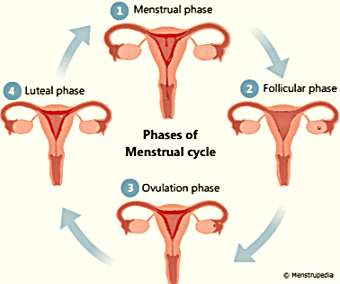
Menstrual Disorders Management


 Menstrual disorders are conditions that affect the timing, flow, or comfort of periods. 
 They can impact daily life, fertility, and overall health. Management is personalized and 
 may include lifestyle changes, medicines, and minimally invasive or surgical procedures.

Common Types


  • Irregular periods (Oligomenorrhea/Polymenorrhea): Cycles shorter than 21 days or longer than 35 days; may be linked to hormones, thyroid, stress, or PCOS.

  •  
  • Heavy menstrual bleeding (Menorrhagia): Flow lasting >7 days or soaking pads/tampons frequently; often due to fibroids, polyps, or hormonal imbalance.

  •  
  • Painful periods (Dysmenorrhea): Cramping/pelvic pain; may be primary (hormonal) or secondary (endometriosis, adenomyosis, fibroids).

  •  
  • Absence of periods (Amenorrhea): Primary (no periods by age 15–16) or secondary (stopped for 3+ months); causes include PCOS, thyroid issues, excessive exercise, or premature ovarian insufficiency.

Diagnosis


  • Detailed medical history and physical/pelvic examination

  •  
  • Blood tests (thyroid, FSH/LH, prolactin, testosterone; iron profile if heavy bleeding)

  •  
  • Pelvic ultrasound to assess fibroids, cysts, or polyps

  •  
  • Pap smear and/or endometrial biopsy when indicated

Treatment Options


  • Lifestyle: Stress management, balanced diet, regular exercise, weight optimization (especially for PCOS).

  •  
  • Medications: NSAIDs for cramps; iron supplements for anemia; hormonal therapy (combined pills, progesterone, LNG-IUS, GnRH analogues); thyroid/insulin-targeted therapy when needed.

  •  
  • Minimally invasive: Hysteroscopic polyp/fibroid removal, endometrial ablation for heavy bleeding, laparoscopy for endometriosis or cysts.

  •  
  • Surgery (case-dependent): Myomectomy (fibroid removal) or hysterectomy (when fertility is not desired and other treatments have failed).

Goals of Care


  • Normalize cycle pattern and flow

  •  
  • Relieve pain and improve quality of life

  •  
  • Treat underlying hormonal or structural causes

  •  
  • Protect fertility where desired and prevent complications like anemia

When to Seek Care


  • Very heavy bleeding, clots, or bleeding >7 days

  •  
  • Severe cramps not relieved by OTC pain relief

  •  
  • Cycles consistently irregular or absent

  •  
  • Intermenstrual or postcoital bleeding


 Note: Management is individualized after evaluation by a gynecologist. 
 Discuss your symptoms, family planning goals, and treatment preferences to choose the best option.


FAMILY PLANNING

Family Planning
Family planning is a comprehensive healthcare service that helps individuals and couples make informed choices about their reproductive health. It involves counseling, education, and provision of methods to prevent, delay, or achieve pregnancy according to the patient’s personal, medical, and social circumstances. Scope of Treatment Includes: Contraceptive Counseling – Education about available methods, safety, and effectiveness. Temporary Methods of Contraception: Oral contraceptive pills (OCPs) Injectable contraceptives Condoms (male/female) Contraceptive patches and vaginal rings Long-Acting Reversible Contraception (LARC): Intrauterine devices (IUDs/IUCDs) Hormonal implants Permanent Methods: Tubal ligation (female sterilization) Vasectomy (male sterilization, usually referred by Gynecologist/Urologist) Emergency Contraception – Pills and copper IUD for post-unprotected intercourse prevention. Preconception Counseling – For couples planning pregnancy, ensuring medical readiness. Management of Side Effects – Monitoring, follow-ups, and treatment of complications from contraceptive use. Counseling on Sexual and Reproductive Health – Includes safe practices, prevention of sexually transmitted infections (STIs), and fertility awareness. Benefits to Patients: Prevents unintended pregnancies. Promotes maternal and child health by spacing births. Empowers women to make informed decisions. Reduces maternal mortality and complications from unsafe abortions. Supports overall reproductive and sexual well-being.

THERAPEUTIC ENDOSCOPY

Therapeutic Endoscopy
The role of therapeutic endoscopy in current gastroenterology is very important. Therapuetic endoscopy is useful in treatment of gastrointestinal bleeding. Endoscopic control of gastrointestinal bleeding includes the following procedures of haemostasis techniques: photocoagulation, electrocoagulation, thermocoagulation and injection method. Owing to these procedures mortality has significantly decreased. Endoscopic hemostasis eliminates the risk of surgery, is less expensive and better tolerated by patients. Colonoscopic polypectomy is a widely used technique. By removal of polyps the incidence of colon cancer can be decreased. The "hot biopsy" forceps can be used to excise polyps of up to 6 mm. Larger polyps can be removed safely by snare electrocautery and retrieved for histologic study. Endoscopic retrograde cholangiopancreatography has a therapeutic application designed to cut the sphincter of Oddi fibers of the distal common bile duct, what is indicated currently in choledocholithiasis and papillary stenosis with ascending cholangitis, acute gallstone pancreatitis. Endoscopic sphincterotomy in now an established procedure that is indicated in patients with common bile duct calculi. Endoscopic decompression of the biliary tree - dilatation benign structures of the biliary tree with baloon catheters and placement an internal endoprothesis allows the nonoperative decompression and significant palliation for patients with obstructing tumors.

EMERGENCY ENDOSCOPY FOR GI BLEEDS

Emergency Endoscopy for GI Bleeds
The diagnosis of the cause of upper G.I bleeding is notoriously difficult and there is no substitute to actual visualization of the source of bleeding. The value of fibreoptic endoscopy, within 24 hours of upper gastrointestinal bleeding, is well known. It helps in the diagnosis of acute erosive and superficial mucosal lesions of the oesophagus, stomach and duodenum which are often missed even with double contrast barium studies. The present study was undertaken to determine the various causes of upper G. I. bleeding and compare the accuracy of clinical diagnosis with the endoscopic findings.

COLONOSCOPY

Colonoscopy

A GI Colonoscopy is an advanced diagnostic and preventive procedure performed by a Gastrointestinal (GI) specialist to examine the inner lining of the colon and rectum. It is commonly used for colorectal cancer screening, detection and removal of polyps, evaluation of gastrointestinal bleeding, chronic diarrhea, constipation, abdominal pain, inflammatory bowel disease (IBD), and other digestive disorders. Colonoscopy enables early diagnosis and timely treatment of colorectal conditions, helping maintain optimal digestive health and prevent serious gastrointestinal diseases.

UPPER GI ENDOSCOPY

Upper GI Endoscopy
An upper endoscopy is a procedure used to visually examine your upper digestive system with a tiny camera on the end of a long, flexible tube. A specialist in diseases of the digestive system (gastroenterologist) uses an endoscopy to diagnose and, sometimes, treat conditions that affect the esophagus, stomach and beginning of the small intestine (duodenum). The medical term for an upper endoscopy is esophagogastroduodenoscopy. You may have an upper endoscopy done in your doctor's office, an outpatient surgery center or a hospital

ABORTION

ABORTION
Couples With Infertility Are Counseled For Both Medical And Surgical Causes Of Infertility. Our Clinic Is Equipped With The Latest Technology For Infertility Treatment And Have Well Qualified Team. We Understand The Emotional And Psychological Concerns You May Have While Seeking The Infertility Treatment. Our Professionally Qualified And Experienced Consultants Will Guide You At Every Stage Of The Exciting Journey Towards Parenthood. Medical AbortionSurgical AbortionSuction AspirationDilation And Evacuation (D&)

LAPAROSCOPY

LAPAROSCOPY
Laparoscopy Is The Most Prevalent Procedure For Diagnosis And Treatment Of Mild To Moderate Cases Of Endometriosis. In Laparoscopy A Small & Lighted Instrument Known As The Laparoscope Is Used. Hysterectomy Is The Surgical Removal Of The Uterus. It May Also Involve Removal Of The Cervix, Ovaries, Fallopian Tubes And Other Surrounding Structures. Our Clinic Has Achieved Eminence In This Industry Because Of Our Clients' Belief And Trust.

MATERNITY

MATERNITY
MATERNITY Gensis Clinic Being One Of The Best Maternity Clinic. Having A Healthy Pregnancy Is One Of The Best Ways To Promote A Healthy Birth. A Preconception Care Visit Can Help Women Take Steps For Healthy Pregnancy Before They Get Pregnant. Getting Regular Prenatal Care Improves The Chances Of A Healthy Pregnancy. We Provide Best Maternity Care For Healthy And Safe Pregnancy.

GYNAECOLOGY

GYNAECOLOGY
GYNAECOLOGY Our Clinic Offers Best Gynaecology Services And Comprehensive Medical & Surgical Care To Women With Diseases Related To The Reproductive System. Our Team Of Qualified And Experienced Professionals & Gynaecologists Serves The Patients With The Specialized Medical Assistance. We Have Programme For The Prevention And Early Detection Of Disorders. Our Checkup Is Designed To Detect The Earliest Signs Of Disorders Of The Breast And The Organs Of Reproduction, And Care To Your Contraceptive Needs. Menopause ClinicAdolescent ClinicCervical Cancer ScreeningImmunisation

FAQs

What if my query is not listed here?
If you have any more queries that aren't listed, you can email us or call us.
Why is it best to consult a specialist?
A specialist doctor is trained to treat complex health conditions in their particular field. If you are diagnosed with a condition, it is best to consult a doctor who specializes in dealing with that particular condition.
Why should I consult Dr Himani negi c?
Dr Himani negi c is a specialist in Gynecologist and having more than 10 years of experience.
What if my query is not listed here?
If you have any more queries that aren't listed, you can email us.
Why is it best to consult a specialist?
A specialist doctor is trained to treat complex health conditions in their particular field. If you are diagnosed with a condition, it is best to consult a doctor who specializes in dealing with that particular condition.
How can I book an appointment?
You can click on the book appointment link.
Do I need to bring anything at my first appointment?
You may bring the following documents, if available: ID Proof Prior medication list Any prior diagnosis documentation X-RAY reports



